Last updated: June 2026 — cruise prices and logistics verified June 2026.
The comparison gets made constantly, so let’s settle it clearly: the geological formations are the same. The water is the same color. The caves are similar. The sunrise on the water looks identical from both bays. What’s different is the density of tourism infrastructure — specifically, how many other boats you’ll be looking at while you’re trying to enjoy the scenery.
Ha Long Bay operates roughly 500 cruise vessels during peak season. Bái Tử Long has a fraction of that. This is the entire argument for going there instead.
The other argument: Bái Tử Long was designated a UNESCO Biosphere Reserve and National Park specifically because of its ecological sensitivity — the fishing communities, the coral ecosystem, and the bird colonies that use the karst islands as nesting sites. The park limits the number of cruise operators as part of the protected area management. This is the institutional reason the bay stays quiet. Whether it stays quiet long-term depends on whether that management holds as the northern Vietnam tourism market grows. It has held so far. Go before that changes.
Where Is Bái Tử Long Bay?
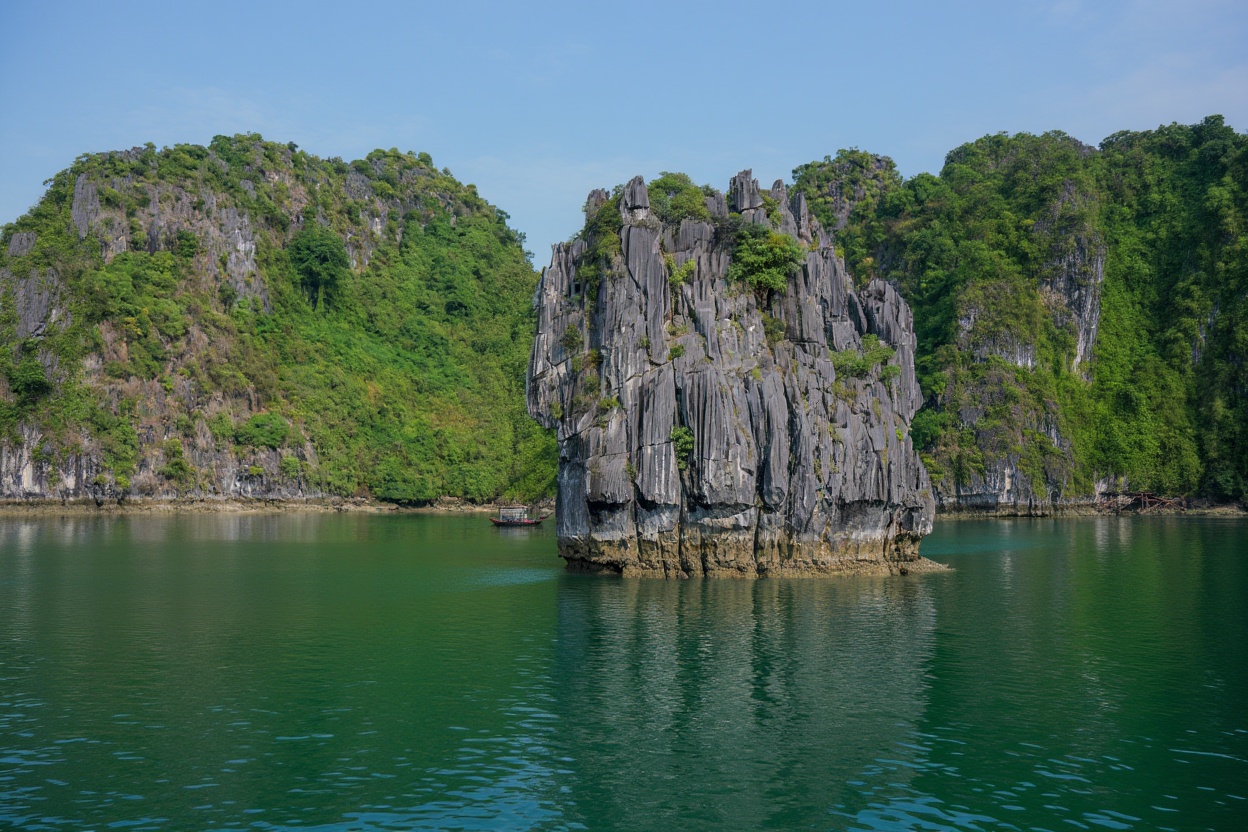
Bái Tử Long (say: bye too long — literally “Children Prostrating to the Fairy”) is a 15,783-hectare national park immediately northeast of Ha Long Bay in Quảng Ninh province. The Vân Đồn Archipelago sits within the protected area and is the focal point of most cruises — a collection of islands with fishing villages, coral reef, and the kind of deserted beach access that’s very difficult to find in the Ha Long Bay section.
The coordinates of the main area: 21.05° N, 107.65° E. Access is via Cái Rồng pier on Vân Đồn Island, approximately 190km east of Hanoi — about 30km northeast of the Ha Long pier.
✓Quick Answer
Bái Tử Long Bay is northeast of Ha Long Bay, accessed via Cái Rồng pier on Vân Đồn Island. Hanoi to the pier takes about 3.5–4 hours by limousine van. 2D1N cruises depart from Cái Rồng and cover the Vân Đồn Archipelago — remote islands, fishing villages, kayaking, and swimming in water that hasn’t been churned by 200 passing boats that morning.
The Cruise Experience — What Makes It Different
The mechanics of a Bái Tử Long cruise are similar to Ha Long: board the boat at the pier, sail into the bay, kayak and swim in the afternoon, anchor overnight, sunrise on the water, back to pier by noon. What’s genuinely different is the atmosphere of each activity.
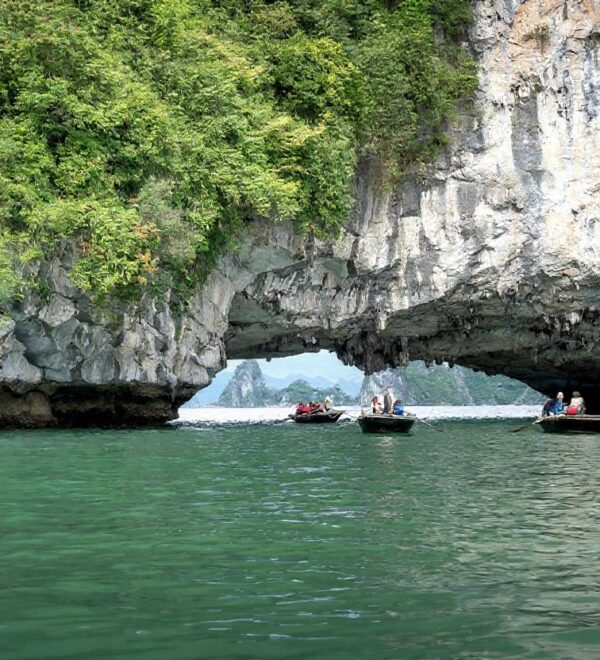
Kayaking: In Ha Long Bay, popular kayaking spots can have 10–15 kayaks from different boats simultaneously navigating through the same cave passage. In Bái Tử Long, the same passage may have your boat’s 6 kayaks and nobody else. The difference in experience is significant — not just aesthetic, but physical. Less boat wake, quieter water, the echo of your paddle in a cave passage without the background noise of other tour groups.
Klook has the widest selection for Vietnam and is usually the cheapest. KKday is strong on day trips and local experiences.
d affairs — beaches shared with multiple boats, the water choppy from constant traffic. Bái Tử Long swimming stops are often the boat’s own anchorage, with water calm enough to be genuinely clear. Visibility in the water at a Bái Tử Long swimming stop can reach 8–10m; in Ha Long’s busiest areas, significantly less.
Fishing village visits: Ba Hang floating fishing village, within the Bái Tử Long area, is accessible on some itineraries. Smaller and less staged than the floating villages that Ha Long Bay tours visit as standard, Ba Hang gives you a look at an actual working fishing community rather than a preserved heritage display maintained for tourist visits. The village is home to families who have lived on the water for generations — the houses float on rafts, the fish farms are directly below the living area, and the children who grow up here learn to row before they learn to walk. Whether to include a floating village visit on your itinerary is a personal call: some travelers find it genuinely moving; others feel uncomfortable with the voyeuristic nature of observing a poverty-adjacent community. If you visit, buy something from the village — the fish sauce, the salted shrimp paste, or any handcraft offered directly offsets the extractive quality of the tourism dynamic.
Night fishing: Some Bái Tử Long operators include a squid fishing session off the stern of the boat after dinner. The setup: a bright light lowered into the water to attract squid, hand lines with barbless jigs, the crew showing passengers the technique. It’s genuinely fun for an hour, the crew eats the squid the following morning, and the dark bay at 9pm with only the boat’s light and the karst silhouettes visible around you is a specific experience — quieter and more atmospheric than the same activity in the more heavily trafficked Ha Long Bay sections where other boats’ lights are visible in multiple directions.
Sunrise: The sunrise from the sundeck of a Bái Tử Long boat, anchored among the karsts with almost no other vessels visible, is the version of the “Ha Long Bay sunrise” photograph that most people are trying to get. In Ha Long Bay’s busiest areas, the same sunrise has 20 boats’ navigation lights competing with the karst silhouettes. In Bái Tử Long, on a weekday in the off-peak months, you may genuinely have the horizon to yourself.
Best Operators and Prices
Fewer operators run Bái Tử Long than Ha Long, which narrows your options but also means the quality floor is higher — the worst Ha Long Bay operators don’t bother with the extra distance to Cái Rồng. Most Bái Tử Long cruises are positioned as mid-range or boutique options.
Price range: 2D1N Bái Tử Long cruises: 2,500,000–4,500,000 VND (~$95–171) per person from Hanoi, including transport, meals, and activities. This is more expensive than budget Ha Long options but comparable to mid-range Ha Long. For the quietness differential, the price is justified.
What’s included: Most Bái Tử Long packages include transport from Hanoi (limousine van, 3.5–4 hours each way), all meals on the boat, kayaking, cave visits, and a swimming stop. Some include a squid fishing session in the evening. Confirm what’s included before booking — the same baseline as Ha Long Bay applies.
Where to book: Hanoi Old Quarter tour operators (Đinh Liệt and surrounding streets) handle Bái Tử Long bookings alongside Ha Long. Ask specifically for Bái Tử Long / Vân Đồn Archipelago — some operators will try to redirect you to Ha Long because they have more inventory and higher margin there. Be specific. Also: GetYourGuide and Viator have Bái Tử Long listings from verified operators with reviews — useful for comparison before you walk into an Old Quarter shop.
The Islands and What’s On Each One
The Vân Đồn Archipelago within Bái Tử Long National Park contains over 600 islands, most of them uninhabited. Cruise itineraries typically cover a circuit of 4–6 of the most accessible and visually distinctive:
Thẻ Vàng Island (Golden Card Island): One of the most common overnight anchorages for Bái Tử Long cruises — a calm bay surrounded by karst walls on three sides. At dawn, the light comes through a gap in the karsts from the east and illuminates the water at a specific angle for about 20 minutes. Photographers who know about this gap position themselves on the sundeck the night before to be sure of getting the right spot. Ask your cruise guide whether your overnight stop includes Thẻ Vàng.
Áng Cave (Hang Áng): A semi-flooded cave system accessible by kayak — you paddle through a low entrance into a large enclosed lagoon with karst walls on all sides and sky visible from above. The water inside is calm regardless of the bay conditions outside. Similar in concept to the famous Thung lagoon in Ha Long but accessible to fewer boats due to the entrance dimensions.
Cống Đỏ Island: Noted for a wide, sandy beach that’s frequently included as the swimming stop on Bái Tử Long itineraries. The beach faces east and catches the morning light. In October–April, the water is clear enough for mask snorkeling directly from the shore.
Van Don Island (Đảo Vân Đồn): The largest island in the archipelago and the site of the Cái Rồng pier and Vân Đồn Airport. Has some accommodation, restaurants, and local infrastructure — useful to know if you need an extra night before or after the cruise, or if you want to extend your time in the area independently.
Who Should Choose Bái Tử Long Over Ha Long
The honest breakdown of who this destination is for:
Choose Bái Tử Long if: You’ve already done Ha Long Bay. You specifically want the photography experience without other boats in the frame. You want to kayak in genuinely quiet water. You’re traveling in peak season (October–November, Vietnamese holidays) and the Ha Long boats will be at maximum density. You have a budget for mid-range rather than the cheapest option.
Choose Ha Long Bay if: It’s your first time and you want the maximum operator choice. Your budget is strict and you need the cheapest possible overnight bay experience. You’re going in a group and want the widest selection of group cruise options. You’re combining with Cat Ba Island via Lan Ha Bay and the Ha Long Bay departure is more convenient. Using Cat Ba Island as a base opens up Lan Ha Bay and keeps you away from Ha Long city’s tour-infrastructure strip — our Cat Ba Island guide has the logistics and what to do with 3 days there.
Choose Lan Ha Bay from Cat Ba if: Budget is the primary concern (Lan Ha Bay day trips from Cat Ba are the cheapest way to experience similar geology). You want flexibility (Cat Ba base allows you to choose your days and activities). You want more time on the island rather than on a boat.
All three options involve the same UNESCO-listed geological formation seen from different angles and at different scales. None of them is wrong. The difference is price, convenience, and the density of other tourism happening around you while you’re trying to experience the landscape.
Combining Bái Tử Long with Ha Long Bay
Some 3D2N cruises cover both bays — starting in Ha Long Bay for the first day’s sailing and moving into Bái Tử Long on the second night. This combination gives you the famous Ha Long karsts on arrival and the quieter Bái Tử Long experience for the overnight section. Price: 3,500,000–6,000,000 VND (~$133–228) per person for a quality operator on a 3D2N route.
This is a better format than two separate 2D1N cruises and costs less than buying them individually. If you have the time (most travelers don’t — the 3D2N requires being away from Hanoi for 3 full days), it’s the recommended approach for getting the best of both sections.
Practical Notes
Best time: October to April is the dry season for northeastern Vietnam — clearer skies, calmer water, and the best visibility for underwater clarity. May to September brings more humidity and occasional rough days, but the bay is still navigable and the summer green of the landscape changes the visual character. July–August is peak domestic tourist season — book well ahead for any dates during the summer holidays.
Getting there: The Cái Rồng pier on Vân Đồn Island is the standard embarkation point. Most operators include Hanoi transport in the cruise price — limousine vans departing Old Quarter hotels at 7:30–8am. The journey takes 3.5–4 hours. There is also Vân Đồn Airport (VDO), opened in 2018, which has flights from Ho Chi Minh City — useful if you’re traveling from south to north and want to arrive directly rather than transiting Hanoi.
What to pack: Same as any bay cruise — motion sickness medication if sensitive, dry bag for kayaking, sunscreen, a warm layer for the evening anchorage (the bay at night in the shoulder season can be cooler than expected). The single addition for Bái Tử Long over Ha Long: the quieter anchorage means the deck after dinner is genuinely worth sitting on, which it often isn’t in Ha Long’s busier sections due to engine noise from passing vessels. Bring something warm to sit in on the deck after 8pm.
For the broader northern Vietnam bay and cruise options, including how Bái Tử Long compares to Lan Ha Bay (accessible from Cat Ba Island), the Ha Long Bay cruise guide covers all three options side by side. For budget cruise logistics and the Cat Ba alternative, the Ha Long Bay budget guide has the full breakdown.
Frequently Asked Questions
What is the difference between Bái Tử Long Bay and Ha Long Bay?
The same limestone karst geology and emerald water — they’re geologically continuous formations. The difference is tourism density: Ha Long Bay has 500+ cruise vessels operating in peak season; Bái Tử Long has a fraction of that. Bái Tử Long is administered as a separate national park (northeast of Ha Long), accessed via the Cái Rồng pier on Vân Đồn Island rather than Ha Long city pier. Cruises cost slightly more due to fewer operators and longer transport from Hanoi.
Is Bái Tử Long Bay better than Ha Long Bay?
Better for: quietness, water clarity, fewer boats in frame, the kayaking and swimming experience. Not better for: choice of operators (fewer options), price (slightly higher floor), accessibility (30km further from Hanoi). If you’ve already done Ha Long Bay and want something quieter, Bái Tử Long is clearly the right choice. If it’s your first time and budget is the primary concern, Ha Long Bay has more affordable options.
How do I get to Bái Tử Long Bay from Hanoi?
Most cruise packages include transport — a limousine van from Hanoi Old Quarter hotels to Cái Rồng pier on Vân Đồn Island, approximately 3.5–4 hours each way. If booking transport independently, take a bus to Hạ Long city and then a local connection to Vân Đồn, or fly directly into Vân Đồn Airport (VDO) from Ho Chi Minh City.
How much does a Bái Tử Long cruise cost?
2D1N cruises: 2,500,000–4,500,000 VND (~$95–171) per person from Hanoi including transport, meals, and activities. 3D2N cruises covering both Ha Long and Bái Tử Long: 3,500,000–6,000,000 VND (~$133–228). Book directly with operators in Hanoi Old Quarter or through GetYourGuide/Viator for reviewed operators. Avoid hotel desk commissions (20–40% markup) by booking direct.
The Bottom Line
Bái Tử Long Bay is what people imagine when they picture Ha Long Bay before they’ve seen how many boats are actually there. The geology is identical. The sunrise over limestone karsts is the same. The kayaking through sea caves is the same. The difference is sitting on the sundeck with the sound of water and bird calls, versus sitting on the sundeck with the sound of water, bird calls, and the engine of the vessel that passed 100m behind you twelve minutes ago.
That difference is worth the extra 30km from Hanoi and the slightly higher price. Go to Bái Tử Long if you can. If you’re on a strict budget and the price gap matters, the Cat Ba Island approach to Lan Ha Bay gives you similar quietness at a lower cost. What doesn’t give you what you’re looking for is a budget Ha Long Bay cruise hoping it’ll look like the photographs. It won’t — the photographs were taken in Bái Tử Long.
Two things worth sorting before you land: a Vietnam eSIM so you have data the moment you clear customs, and travel insurance — medical costs for uninsured foreigners in Vietnam are significant.
Airalo eSIMs activate instantly. Buy before departure — airport SIM queues in Vietnam can take 30+ minutes.
Staying Longer — Vân Đồn Island as a Base
Most travelers come to Bái Tử Long for a 2D1N cruise and return to Hanoi. A smaller number base themselves on Vân Đồn Island for 2–3 nights and explore the archipelago independently by local boats — an approach that gives more flexibility and a different relationship with the landscape.
Vân Đồn Island has accommodation ranging from basic guesthouses (300,000–600,000 VND/night) to modest hotels (600,000–1,200,000 VND/night) in Cái Rồng town. The island has good seafood restaurants — the fishing industry drives the local economy, and the seafood here (oysters, sea snails, freshly caught fish) is among the freshest available anywhere in northern Vietnam.
From Vân Đồn, local speedboats operate to the nearby islands for day trips — much cheaper than cruise-packaged island visits, and with the flexibility to stay longer at spots that interest you rather than following a fixed schedule. Price: 100,000–200,000 VND (~$4–8) per person for a group speedboat, or 500,000–800,000 VND (~$19–30) for a private hire.
The trade-off: Vân Đồn town has no organized English-language tourism infrastructure to speak of. The guesthouses don’t offer translated menus or English-speaking guides. The local boats don’t operate on published schedules. If you’re comfortable navigating this kind of informal arrangement — which experienced Southeast Asia travelers generally are — the independent Vân Đồn base gives you a more authentic bay experience than any organized cruise. If you need the scaffolding of organized tours, stick with the cruise format.
Getting to Vân Đồn independently: Bus from Hanoi’s Lương Yên station to Cái Rồng, approximately 3.5 hours, 150,000–220,000 VND (~$6–8.30). Or fly directly into Vân Đồn Airport (VDO) from Hồ Chí Minh City — a 1.5-hour flight that opens the bay to southern Vietnam visitors who want to add it to a north–south itinerary without backtracking through Hanoi.
For context on how Bái Tử Long fits into a northern Vietnam itinerary that includes Hanoi, Ninh Bình, and Ha Giang, the northern Vietnam guide covers the full regional picture.