Last updated: June 2026 — prices and logistics verified June 2026.
I almost skipped Bac Ha entirely.
After four days in Sapa’s tourist circuit — the terraces, the trekking, the rooftop bars — a two-hour minivan ride to a market I’d seen described as “colorful and authentic” sounded exhausting. I’d heard those words before. They usually meant thirty stalls selling the same painted lanterns.
The driver dropped me at the market at 7:15am on a Sunday in October. Within ten minutes I’d watched a Flower H’mong woman in a lime-green batik jacket haggle loudly over the price of a live piglet, lose the argument, tuck the pig under her arm, and walk away laughing. Timing the trip right makes a bigger difference than most people expect — our Ha Giang best time guide breaks down what each season actually looks like on the road.
That’s the Bac Ha market most blogs don’t quite capture.
This guide is for travelers who’ve done Sapa and are wondering if the extra day is worth it. Short answer: yes — but the timing is everything, and most people get it wrong.
What Bac Ha Market Actually Is (And Isn’t)
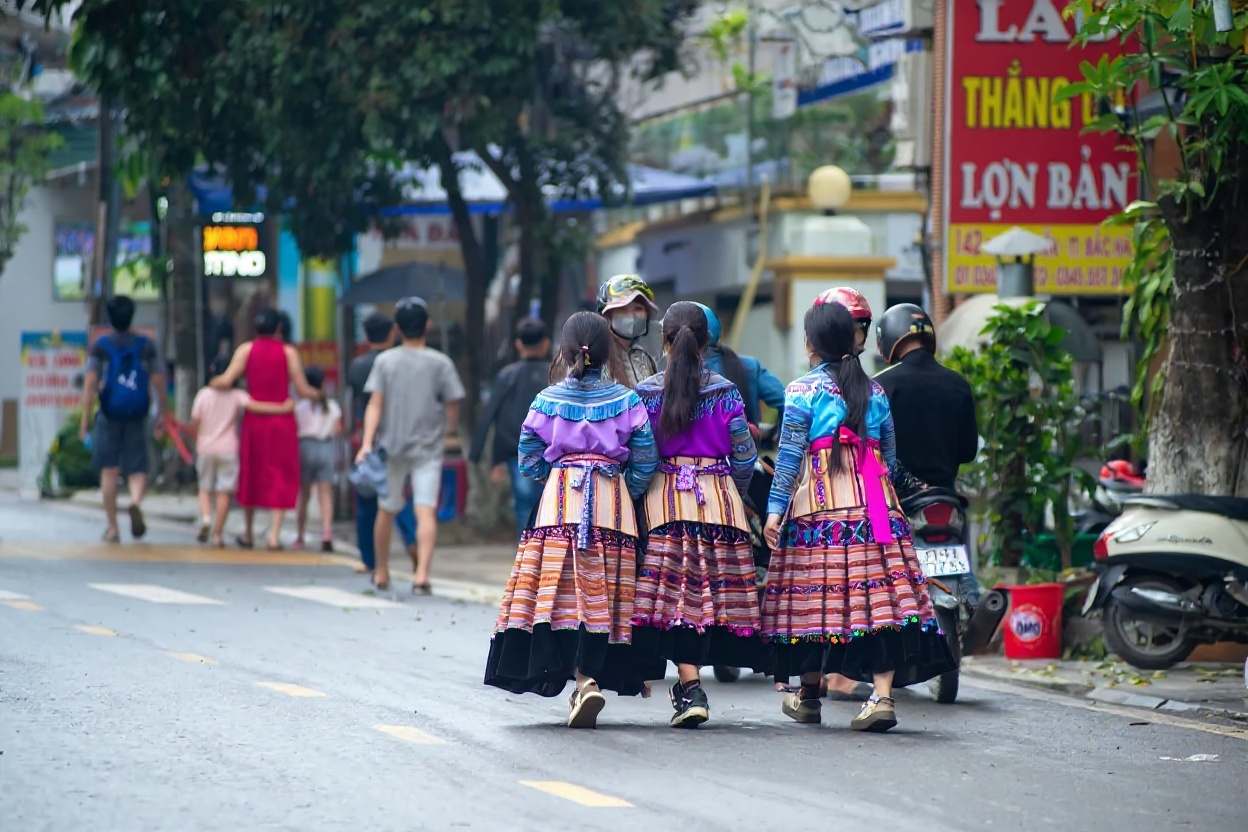
Bac Ha market is a weekly trading market — not a craft fair designed for tourists. Every Sunday, ethnic minority communities from the surrounding hills descend on Bac Ha town to buy and sell: livestock, produce, textiles, tools, local wine, and food. The Flower H’mong — so named for the elaborate embroidered flowers on their traditional dress — are the group most associated with the market, but you’ll also find Black Dao women in red turbans, Tay traders in indigo, and Giay farmers from further up the valley.
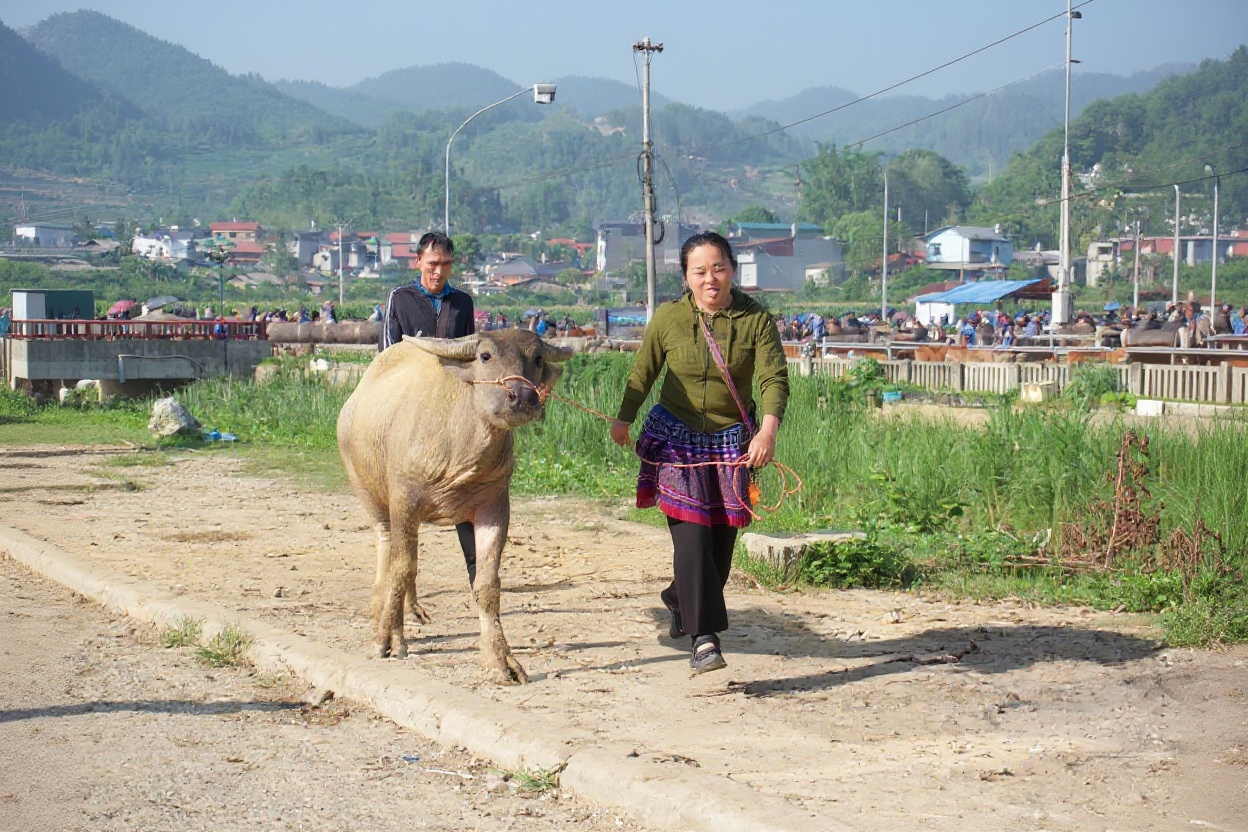
What makes it different from Sapa’s Saturday market is the degree to which locals are actually doing the shopping. In Sapa’s town market, the ethnic minority presence has thinned out over the years as tourism took over. In Bac Ha, at 7am on a Sunday, you’re standing next to women who walked two hours down a mountain trail to sell a basket of vegetables. The tourists are there, yes — but we’re not the point.
⚠Real Talk
Some stalls sell Chinese-manufactured goods alongside genuine H’mong handcraft. The embroidered bags and jackets in the main textile section are a mix of machine-made imports and genuine hand-embroidered pieces. If the price seems impossibly low and the stitching is uniform, it’s probably not handmade. Genuine pieces cost more, feel heavier, and the stitching is slightly irregular — which is the point.
Getting to Bac Ha Market: Sapa vs. Hanoi vs. Staying Overnight
How you get to Bac Ha determines what you actually see. This is worth thinking about before you book anything.
✓Quick Answer
From Sapa: shared minivan departs around 5:30–6am Sunday, 70km, ~2 hours, roughly 80,000–120,000 VND (~$3–5). From Hanoi: overnight train to Lao Cai (~$20–35), then minivan to Bac Ha (~50,000 VND, 1 hour). Or a direct organized day trip from Hanoi for ~1,170,000 VND (~$45) including transport.
If you’re coming from Sapa, the Sunday morning minivans depart from the bus area near the market square. Ask your guesthouse the night before — departure times shift seasonally. The road is good now (fully paved as of 2024), so the ~2-hour ride is fine unless you get car sick on mountain switchbacks. Pack ginger candies.
↗Insider Tip
The most underrated option: take a Saturday evening bus from Sapa to Bac Ha (~80,000 VND, 2 hours), stay in a basic guesthouse in Bac Ha town for 200,000–350,000 VND (~$8–13), and walk to the market at 6:45am Sunday. You’ll arrive before the tour groups and have the first hour almost to yourself.
For the overnight train from Hanoi option: depart Hanoi on Saturday evening (around 9–10pm), arrive Lao Cai at 5–6am Sunday, then catch a shared minivan to Bac Ha (~50,000 VND, ~1 hour). You’ll arrive at the market by 7am. This is the long-haul version but it works cleanly. Trains on the Hanoi–Lao Cai line run nightly — soft sleeper berths cost roughly 520,000–800,000 VND (~$20–30) depending on class and season.
What the Market Looks Like — Section by Section
Bac Ha market occupies a large concrete area in the center of Bac Ha town at 22.5318° N, 104.2890° E. It spills into the surrounding streets. The layout is loose — part of the experience is wandering without a map — but there’s a rough internal logic to it.
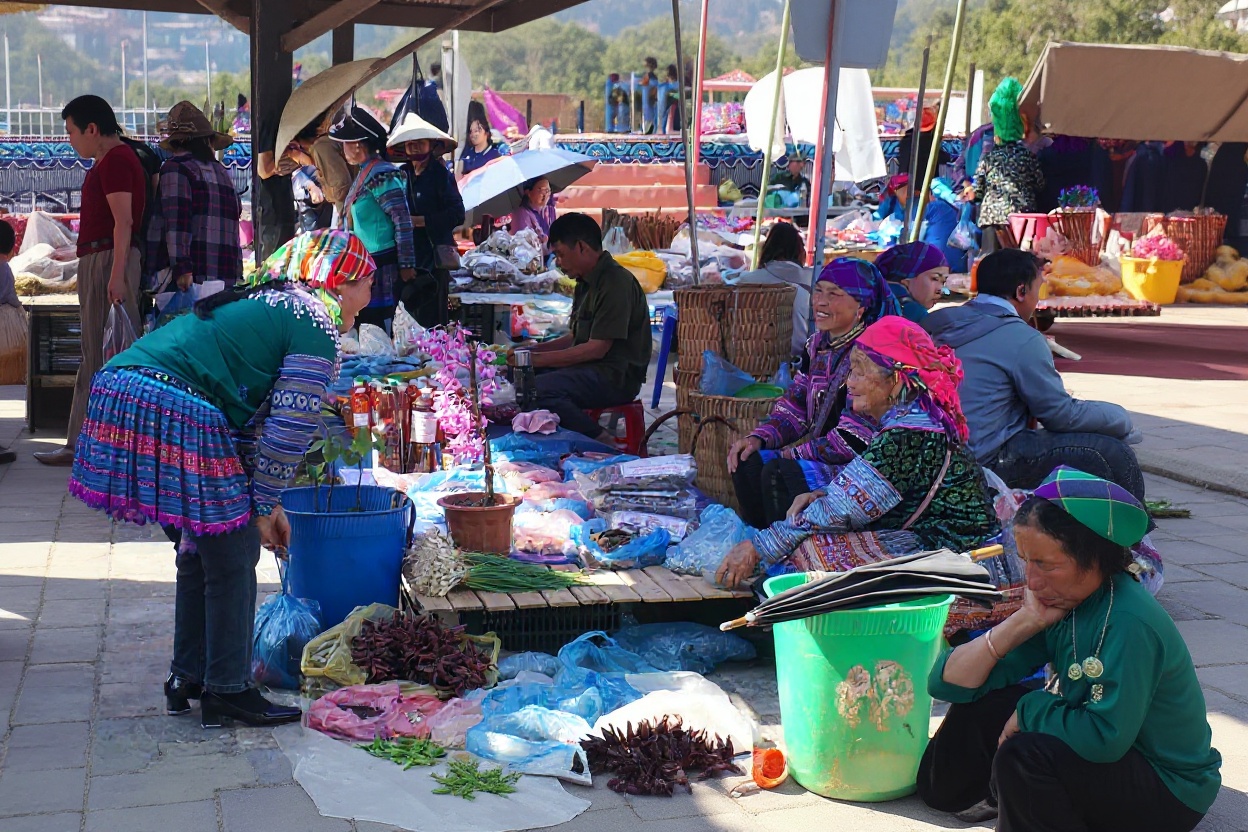
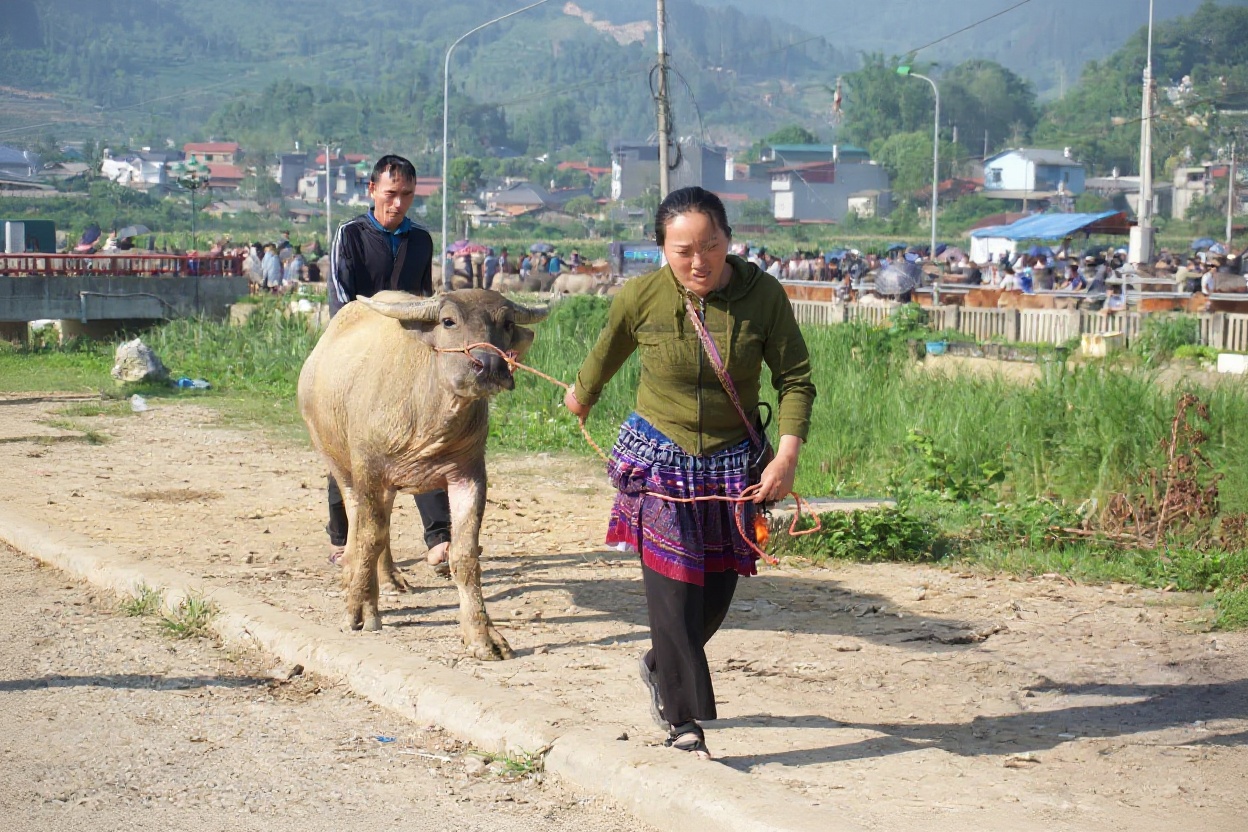
6:00–7:30am — Livestock section: This is in a covered pen area to the northeast side of the main market. Pigs in crates, chickens in baskets, the occasional water buffalo negotiation happening at volume. The smell reaches you before the sound does — animal fur, wet earth, something sharp underneath. This is not for everyone. If live animal markets bother you, skip this section entirely. If you’re curious: go early, stay back, don’t interfere.
7:00–9:30am — Textile and clothing: The visual peak of the market. Flower H’mong women set up stalls selling embroidered bags, jackets, headbands, and fabric lengths. The colors are electric — lime green and hot pink batik patterns against indigo backgrounds, silver coins sewn onto collar edges. The women wearing these outfits are also shopping here. That’s the detail that gets you — this is their weekly social event as much as their market.
7:30–10:00am — Food stalls and local produce: Running along the south side. Fresh herbs, dried spices, bamboo shoots, forest mushrooms heaped on plastic tarps. Then the food stalls proper: huge aluminum pots of soup over charcoal, corn being roasted on open grills, the sharp-sweet smell of rượu ngô (say: zoo-oh ngoh) coming off open plastic bottles at the wine stalls.
9:30am–noon — Winding down: Locals start packing up. What remains is mostly tourist-facing. Fine for photos, less interesting for atmosphere.
ℹKnow Before You Go
The market closes completely by noon. If you arrive at 9am on a Sapa day trip, you’ll catch it — but you’ll mostly see tourists buying from vendors who’ve already sold their best stuff. You’re not missing the market, just the best version of it.
What to Eat at Bac Ha Market
The food at Bac Ha market is the part most guides handle gingerly. I’ll be direct.
Thắng cố (say: tang-koh) is the dish most associated with H’mong mountain markets. It’s a stew made from horse or buffalo meat and internal organs — heart, lung, intestine — simmered for hours in a spiced broth. It arrives in a small bowl, dark and rich, with a funk that takes you a second to identify. Price: around 30,000–50,000 VND (~$1.15–2) per bowl.
I’ll be honest: it’s not immediately pleasant. The smell is intense, the texture is confronting if you’re not used to organ meat, and the first spoonful requires commitment. Travelers who grew up in cultures where nose-to-tail eating is normal — parts of France, China, Mexico — tend to love it immediately. Everyone else takes a few bites to get there, or doesn’t get there at all.
It’s worth trying a small bowl. Not because it’ll become your favorite meal in Vietnam, but because it’s genuinely what the people around you are eating for breakfast after walking two hours to get here. Skipping it entirely feels like missing the point.
★Jake’s Pick
Skip the plastic-table tourist restaurants near the market entrance for thắng cố. Walk to the stalls in the interior where the cooking pots are on open charcoal — the broth has been going since before dawn and it shows. The women serving it will find your hesitation mildly entertaining.
Rượu ngô (say: zoo-oh ngoh) — corn wine — is the other thing to try. Homemade, poured from recycled plastic water bottles into small shot glasses. Clear, potent, with a slightly sweet start that turns sharp fast. Price: 15,000–25,000 VND (~$0.60–1) per shot. It’s 7am. Locals are drinking it. When in Bac Ha.
Safe and straightforward options: bánh mì (baguette sandwiches) from the stalls near the market entrance, grilled corn for 10,000–15,000 VND (~$0.40–0.60), fresh fruit. Standard Vietnam breakfast territory if you want to stay on familiar ground.
What to Buy — and What’s Actually Worth It
The textile stalls are the main shopping draw. What to know before you hand over money:
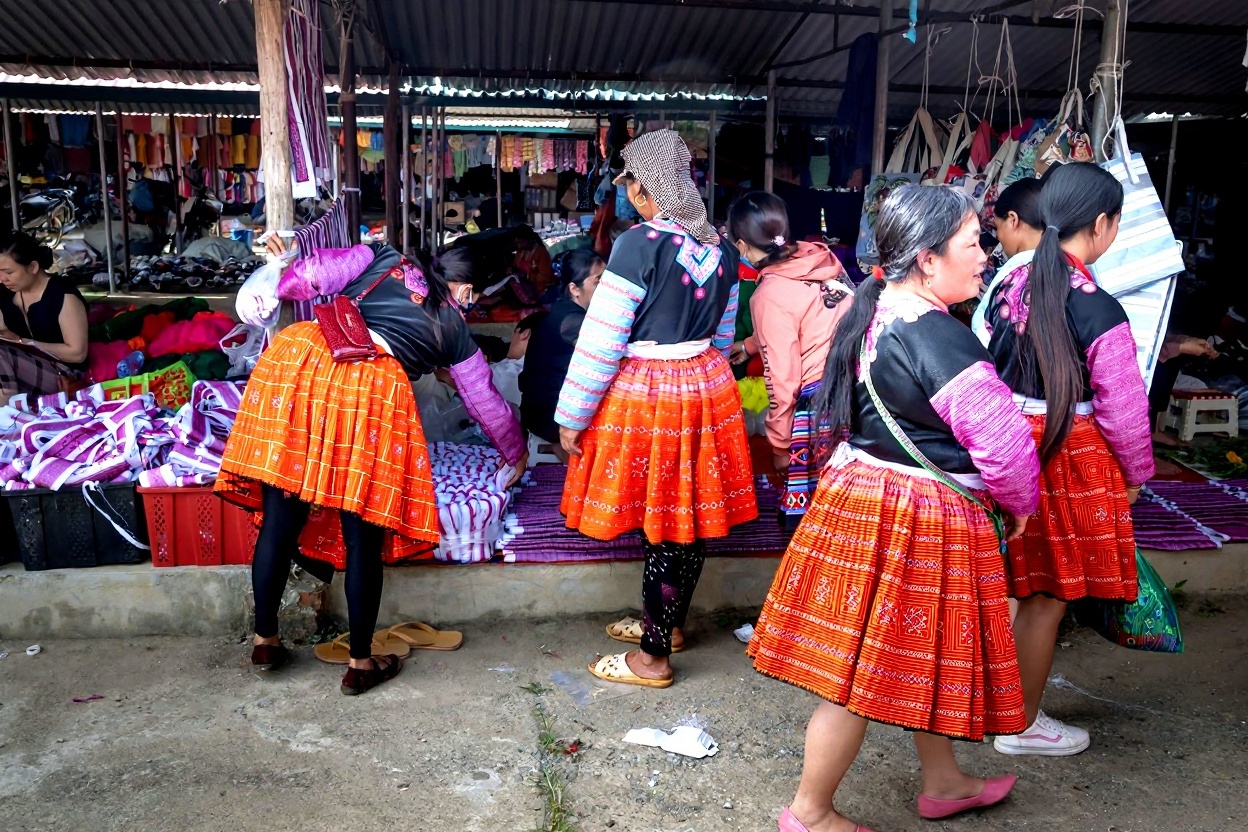
Genuine hand-embroidered pieces: Look for slightly irregular stitching, uneven color gradients from natural dye, heavier weight. Prices range from 150,000–500,000 VND (~$6–19) for bags, more for jackets. These take weeks to make. The price is fair — don’t negotiate aggressively.
Machine-made imports: Uniform stitching, lighter weight, often labeled with Chinese text on the back. Cheaper — 50,000–100,000 VND (~$2–4) — and not inherently bad if you just want something colorful. But know what you’re buying.
Rượu ngô to take home: Buy a bottle from a wine stall you watched the vendor use. Small plastic bottles: 30,000–60,000 VND (~$1.15–2.30). It travels fine in checked luggage wrapped in clothes. A genuinely unusual souvenir that almost nobody brings back from Vietnam.
⚠Real Talk
Travelers on r/VietnamTravel and multiple recent trip reports flag the same thing: the main textile stalls near the entrance now lean heavily toward machine-made goods. The better hand-embroidered pieces are sold by individual women who carry their work in bags and set up wherever they find space — not at fixed stalls. Walk deeper into the market and look for women selling from a cloth laid on the ground.
What I Got Wrong the First Time
My confession: I spent forty minutes at the wrong end of the market.
I came in through the main entrance off the main road, saw the tourist-facing stalls immediately, assumed that was the market, bought a bag I later realized was machine-made, and nearly left before someone pointed me toward the interior lanes where the actual community trading was happening.
The market entrance area is designed for people like me — travelers arriving with sixty minutes and wanting something photogenic to show for it. The real market is behind that first layer. Walk past the stalls selling the same batik phone cases you saw in Sapa. Keep walking. It opens up.
Also: I had two shots of rượu ngô at 7:30am and felt it for an hour. Manage expectations accordingly.
Is Bac Ha Worth the Trip from Sapa?
✓Quick Answer
Yes — but only on Sunday, only if you arrive before 9am, and only if you’ve already done Sapa’s market scene and want something that feels less managed. If you’re short on time, skip it. If you have a spare Sunday in the north, don’t.
The honest framing: Bac Ha isn’t dramatically more authentic than Sapa — both markets have adapted to tourist presence. But Bac Ha has adapted less. The H’mong women here aren’t primarily in the tourism business. They came to trade. The tourists showed up later and the vendors made room for them, but the core of the market still runs on its own logic.
Multiple recent visitors note the same thing: arriving at 7am feels different from arriving at 9am. The 7am version has locals doing real transactions. The 9am version has locals doing tourist transactions. Same market, different atmosphere.
Bac Ha is best understood as a complement to the Sapa experience rather than a replacement. If you’ve done the rice terrace treks and want one more day of something different, this is it. If you haven’t been to Sapa yet, start there — the trekking infrastructure is better, and things to do in Sapa cover more ground for first-timers.
→Who It’s For
Best for: travelers who’ve done at least 2 nights in Sapa and want a market experience that’s less tourist-managed. Also good for: anyone interested in Flower H’mong textile culture, travelers who eat adventurously. Skip if: you have fewer than 5 days in northern Vietnam total, or you’re not a morning person (seriously — the timing ruins it for night owls).
Where to Stay in Bac Ha (For the Overnight Option)
Bac Ha town is small. Accommodation is basic — think family-run guesthouses, tile floors, a plastic thermos of hot water for instant coffee at the desk. That’s not a complaint. It’s the right scale for this kind of trip.
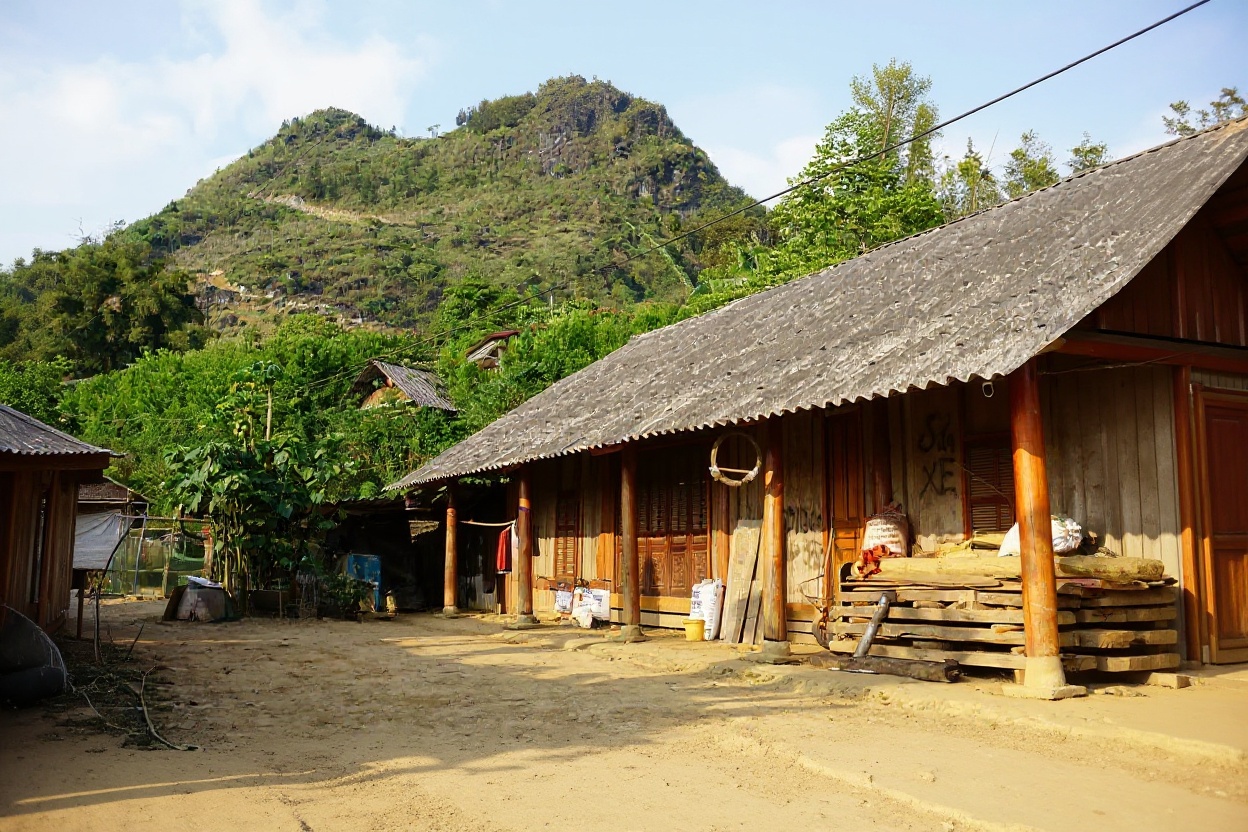
Guesthouses in town range from 200,000–350,000 VND (~$8–13) for a private room with bathroom. The ones closest to the market area fill up Saturday nights — book ahead if you’re coming during peak trekking season (September–November for rice harvest colors). Most guesthouses can arrange the Sunday morning market walk-through.
A few travelers try to do Bac Ha without accommodation by catching the last minivan back to Sapa in the early afternoon. That works — the market is done by noon and minivans run back toward Lao Cai/Sapa through the afternoon. But you lose the Saturday-evening quiet of the town, which is its own thing. Bac Ha at 8pm is almost completely silent. After four days in Sapa’s tourist drag, that silence is the best thing about it.
There are no luxury hotels here and no real mid-range options in the international sense. If that’s a dealbreaker, Bac Ha isn’t your overnight. Do it as a day trip from Sapa instead.
Can Cau Market: The Saturday Version Worth Considering
About 23km north of Bac Ha, close to the Chinese border, Can Cau market runs every Saturday. It’s smaller, harder to get to, and significantly less visited than Bac Ha. The livestock section is larger relative to the market’s overall size, which makes it feel rawer — more animals, less textile shopping.
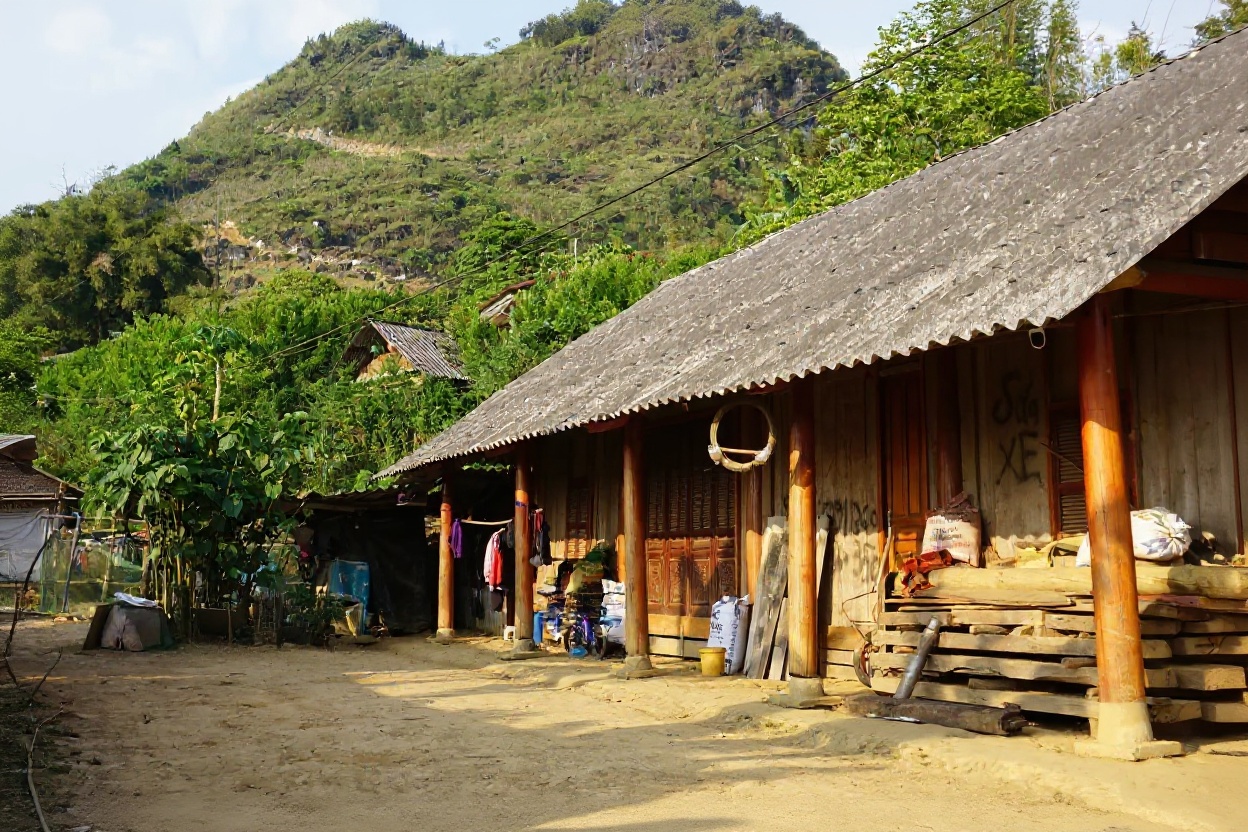
The combination that serious northern Vietnam travelers attempt: Saturday morning at Can Cau (stay the Friday night in Bac Ha or Lao Cai), then Sunday morning at Bac Ha. Two days, two markets, two completely different atmospheres. Logistics require some coordination and a willingness to hire a motorbike or arrange transport independently — there’s no direct tourist minivan connecting the two.
Can Cau is harder to recommend as a solo logistics exercise. But if you’re already based in Bac Ha for the weekend, it’s worth building into the plan. Ask your guesthouse on Friday — they’ll know the current transport options and whether the market is running at full scale that week.
Bac Ha Market FAQ
What day is Bac Ha market?
Sunday only. The market runs every Sunday morning from around 6am and closes by noon. There is no midweek version — if you visit on any other day, Bac Ha town is quiet and the market area is empty. Plan your itinerary accordingly; it’s the one non-negotiable logistics fact about this trip.
How far is Bac Ha from Sapa?
About 70km, roughly 2 hours by road. The route goes via Lao Cai city — you drive down from Sapa to the valley, across toward Bac Ha, and back up into the mountains. The road is fully paved and in good condition as of 2026. Shared minivans run Sunday mornings and cost 80,000–120,000 VND (~$3–5). If this is your first time planning the loop, our complete Ha Giang Loop guide covers permits, checkpoint rules, and what most articles leave out.
Is there an entrance fee for Bac Ha market?
No — entry is free. You might see someone collecting a small parking fee for motorbikes (around 5,000–10,000 VND), but the market itself has no admission charge. Walk in directly from any entrance point around the main market area in Bac Ha town center.
Can you do Bac Ha market as a day trip from Hanoi?
Yes, but it’s a long day. The most common option is an organized day tour from Hanoi for around 1,170,000 VND (~$45), which includes transport and typically a guide. The downside: you arrive at the market around 8:30–9am, missing the busiest hour. The better Hanoi option is the Saturday overnight train to Lao Cai, sleep on the train, arrive Lao Cai at dawn, minivan to Bac Ha — you’ll hit the market at 7am fresh.
Is Can Cau market better than Bac Ha market?
Different, not better or worse. Can Cau market (about 23km north of Bac Ha, near the Chinese border) runs on Saturdays and is smaller and less visited. It’s rawer — less infrastructure, fewer tourists, more livestock trading. If you have the flexibility to do both — Saturday Can Cau, Sunday Bac Ha — that’s the combination serious northern Vietnam travelers go for. Can Cau requires a bit more logistical effort to reach independently.
One Last Thing About Bac Ha
The Bac Ha market is not a UNESCO-protected cultural showcase. Nobody curated it. The Flower H’mong women didn’t arrange themselves into that tableau of electric color and mountain mist for your camera roll — they wore those jackets because that’s what you wear, and they came down from those hills because Sunday is when you come to trade.
That’s what makes arriving at 7am matter. At that hour you’re a guest at someone else’s event. By 9:30am, it’s shifted, and you’re the event.
Go early. Try the stew. Buy something made by hand. And if you’re figuring out the rest of your northern Vietnam route, our northern Vietnam guide covers how Bac Ha fits into a longer itinerary alongside Ha Giang, Sapa, and Hanoi.