Updated May 2026
I’ve been to Da Nang more times than I can count, mostly because it’s the transit hub for everything in the middle of Vietnam. The first three visits, I barely stopped — dropped a bag, ate some bún chả cá, caught a bus or train the next morning. Efficient. Also wrong.
The fourth time, I missed a train, stayed an extra two days by accident, and actually walked the city. That’s when it clicked. Da Nang isn’t Hoi An (atmospheric) or Hue (historic) or Ha Noi (chaotic and electric). It’s something different: a beach city with a mountain backdrop, a river through the center, and a local life that hasn’t been fully overwritten by tourism yet. The tourists are mostly in the resort strip. The locals are somewhere else.
What Da Nang Actually Is
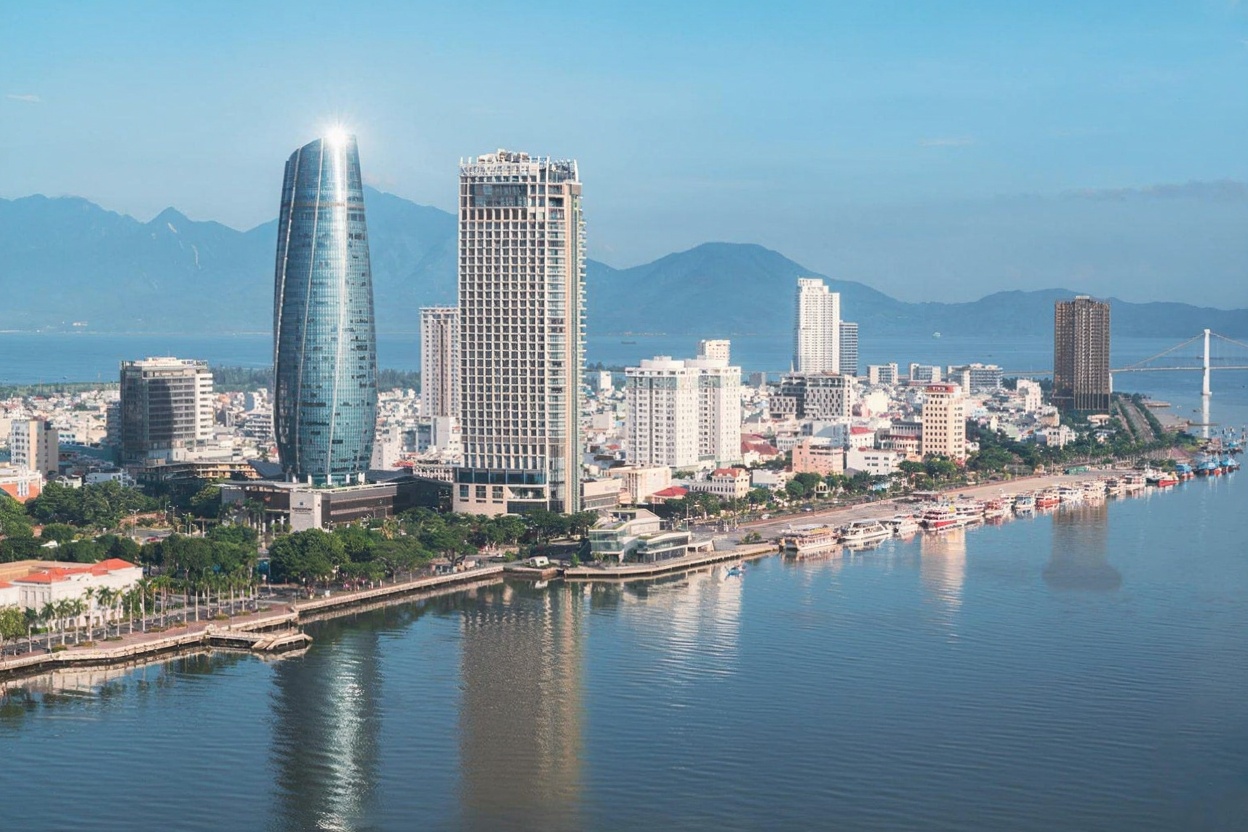
Da Nang (pronounced: Đà Nẵng — roughly “Dah Nang”) is the third-largest city in Vietnam, with about 1.2 million people. It sits on a small bay between the Hải Vân Pass to the north — the mountain wall separating it from Hue — and the Mỹ Khê headland to the south.
Geographically: the city sits at a natural break in Vietnam’s coastline. North of the Hải Vân Pass, the mountains come down to the sea and the weather turns cloudier and cooler. South of it, the coastline opens up into the longer flat stretch that runs toward Hội An and Quảng Nam province. Da Nang sits right at the junction — which is why everything in Central Vietnam seems to route through it.
One expat on Reddit described it as “one of the loveliest towns in Southeast Asia — mainly because of its wide, clean roads, lovely beaches, and post-French colony vibe mixed into the jungle.” That’s not wrong, but it’s the rose-tinted version. The fuller picture: Da Nang is a city that works extremely well in its own quiet way, and rewards people who come with realistic expectations rather than influencer hype.
⚠Real Talk
Da Nang has a mold problem in winter. November–January, the humidity and rain combine with cheap AC units to create conditions where walls, wardrobes, and entire apartments develop black mold fast. If you’re staying longer than a week in December, inspect your accommodation for mold before committing. One expat on r/DaNang described waking up with chest pressure and breathing difficulties — turned out the AC system was full of it. Budget guesthouses are more susceptible. Midrange hotels with functioning climate control are usually fine.
The Beach: My Khe and What’s Around It
My Khe Beach (Bãi biển Mỹ Khê — say: my kheh) is the main event. Thirty-three kilometers of coastline, wide enough that it doesn’t feel crowded even in peak season, with calm enough surf that you can swim comfortably. The Forbes “Most Beautiful Beaches” list included it years ago and people have been citing it ever since — mostly because it’s genuinely good.
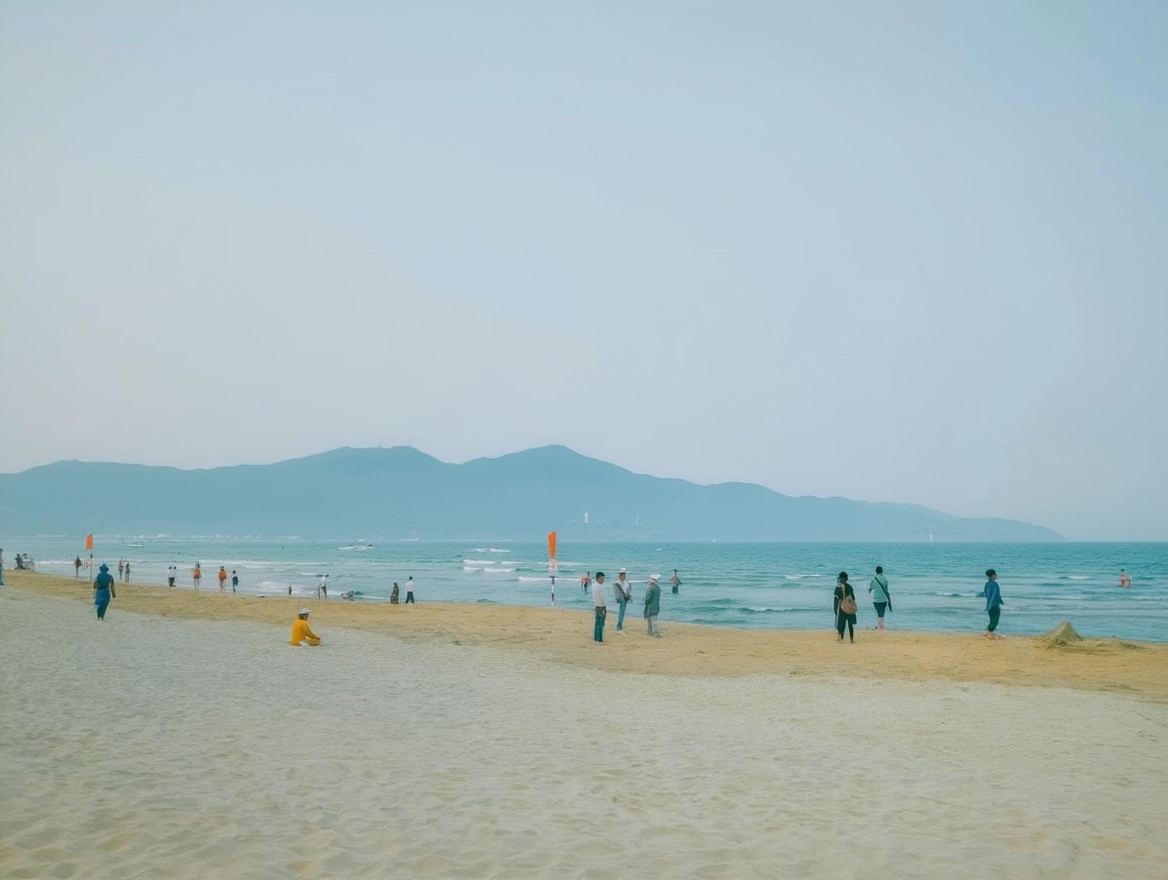
The beach road (Võ Nguyên Giáp street) runs the full length, flanked on the west by hotels and seafood restaurants, on the east by the sand. The northern end near the river mouth has the most tourist infrastructure. The southern end, past the bridge, gets quieter and more local.
For seafood: the stretch of restaurants on and around Phạm Văn Đồng street, parallel to the beach road, is where you want to be for dinner. A whole grilled fish — cá hồng (snapper), cá thu (mackerel), or cá mú (grouper) — costs 150,000–300,000 VND (~$5.70–$11.40) depending on size. Order with rau muống xào tỏi (water morning glory with garlic, 40,000 VND / ~$1.50) and fresh rice paper rolls. This is the best-value meal in Da Nang and it’s not particularly close.
★Jake’s Pick
Bữa Cơm Ngon at 111 Lê Đình Dương — no-name plastic-stool joint that does the best cơm tấm (broken rice — say: gom tam) in the city. 60,000–80,000 VND (~$2.30–$3). Go before noon, it sells out.
Non-swimmer? Son Trà Peninsula (Bán đảo Sơn Trà — say: son tra) is the forested headland north of the city, home to red-shanked douc langurs (endangered primates you can genuinely see in the wild), a giant white Guanyin statue (Linh Ứng Pagoda), and quiet single-lane roads that wind up through jungle to sea views. It’s a 20-minute Grab from the city center. Go on a weekday morning before the tour buses arrive. The langurs are easiest to spot at dawn.
The full beach and coastline breakdown is in our Da Nang beaches guide — including which stretch is worth your time versus which ones look good in photos and are mostly concrete.
Marble Mountains: Cave Pagodas and Unexpected Depth
The Marble Mountains (Ngũ Hành Sơn — say: ngoo hanh shun) are five limestone peaks rising out of the flat coastal plain about 9 kilometers south of the city center. Entry: 40,000 VND (~$1.50) per person. Elevator to the top: an additional 15,000 VND (~$0.60). Go up the stairs if you can — you’ll see more.
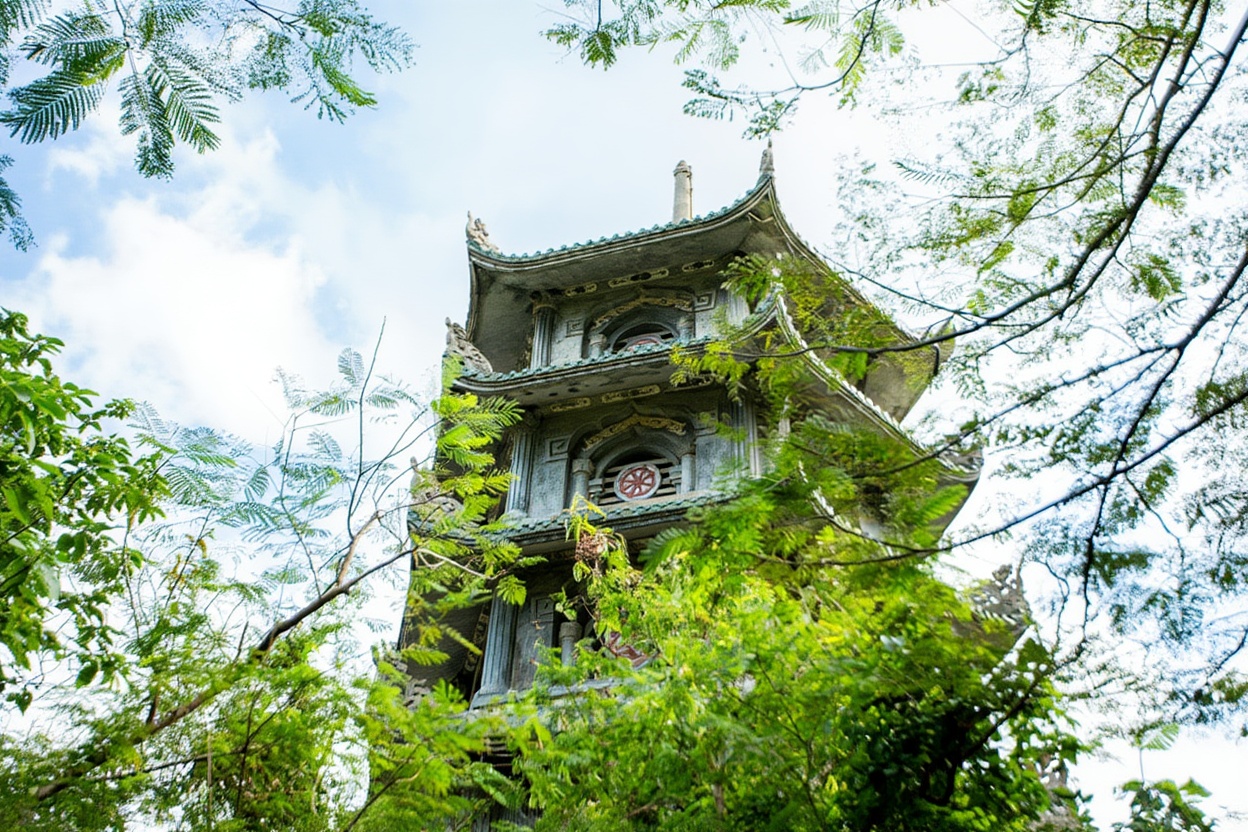
What’s inside surprises most people who expect only a viewpoint. The main peak (Thủy Sơn) contains cave pagodas with functioning shrines, stalactite chambers with natural skylights, a partially destroyed tunnel complex used as a Viet Cong hospital and weapons depot during the American War, and views over the coastline and the Hội An plain.
Plan for 2 hours minimum. Go before 9am — the first tour buses arrive at 9:30am and the cave pagoda interiors get genuinely cramped. Wear shoes you can climb in. The marble steps are steep and the cave entrances require crouching.
Adjacent: Non Nước marble-carving village, where local artisans have been working the stone for generations. The tourist-facing shops are mostly overpriced souvenirs. Walk 200 meters off the main drag and you’ll find workshops where you can watch carvers work. Full guide: Marble Mountains Da Nang guide.
Ba Na Hills: The Golden Bridge, Honestly
Ba Na Hills is the cable car mountain resort 25 kilometers west of the city center, and home to the Golden Bridge — the two-giant-stone-hands photo that’s been shared across every Vietnam travel account since 2018. Entry plus cable car: 850,000 VND (~$32) for adults in 2026.
That price gets you: the Golden Bridge (about 150 meters long, genuinely impressive in person and usually packed with photographers), a French village replica, theme park rides, and views over the mountains — when it’s not in cloud, which it often is.
My honest take: it’s worth going if you want the photo and understand what you’re paying for. It’s a theme park on a mountain, not a nature experience. The crowds are real. The cable car is one of the world’s longest (5.8km) and genuinely spectacular. If you’re traveling with kids or people who’d enjoy a managed attraction, it works well. Solo backpacker or someone who’s already done it elsewhere — skip it.
Full breakdown including how to time your visit for the best chance of clear skies: Ba Na Hills honest guide.
Things to Do Beyond the Highlights
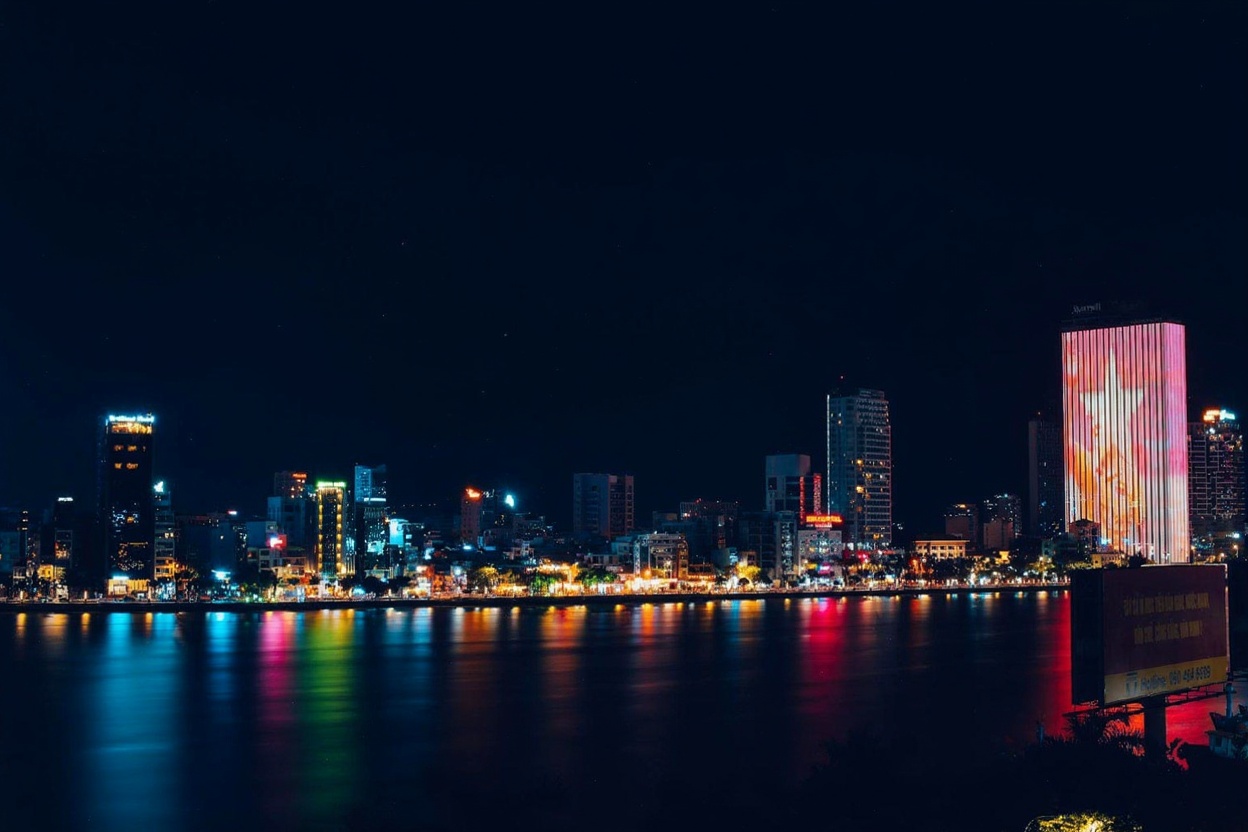
Da Nang has a Han River (Sông Hàn — say: song han) that bisects the city, flanked by walking paths, cafes, and three distinctive bridges. The Dragon Bridge (Cầu Rồng — say: kow rong) breathes real fire and water on weekend evenings at 9pm — free to watch from the riverbank, 15–20 minutes, genuinely worth staying for.
The Museum of Cham Sculpture (Bảo tàng Điêu khắc Chăm — say: bao tang dyew khac cham) is the best collection of Cham artifacts in the world, and almost nobody goes. Entry 60,000 VND (~$2.30). The Cham kingdom controlled this coastline for over a thousand years before the Vietnamese expansion south. The sculptures — Shiva, Ganesh, the apsara dancers — are extraordinary. Budget an hour minimum.
Klook has the widest selection for Vietnam and is usually the cheapest. KKday is strong on day trips and local experiences.
ttps://vietnamunlock.com/da-nang-things-to-do/”>things to do in Da Nang.
Where to Eat in Da Nang
Da Nang doesn’t have the tight culinary identity of Hue (imperial court food) or Hội An (cao lầu and white rose), but it has its own dishes. Bún chả cá (say: boon cha ca) — fish cake noodle soup — is the city’s signature. Order it at any market stall for 40,000–60,000 VND (~$1.50–$2.30). Mì Quảng (say: mee kwang) is the regional noodle — thick turmeric-yellow noodles with shrimp, pork, roasted peanuts, and a shallow broth. Less soup than a northern bowl, more like a warm noodle salad.
For coffee: the Bạch Đằng riverfront has the best café concentration. Cộng Cà Phê (at Bạch Đằng street) does the coconut coffee that’s become a Vietnam travel cliché — it’s still genuinely good, 55,000 VND (~$2.10). For something more local, find a plastic-stool cà phê đá (iced coffee — say: ca phe da) place away from the waterfront and pay 15,000–20,000 VND (~$0.57–$0.76) for the same quality.
Where to Stay
Three main areas:
My Khe Beach strip: where most hotels concentrate. Beachfront access, resort atmosphere, 15 minutes from the city center by Grab. Best if beach is your priority. Midrange 500,000–1,200,000 VND (~$19–$46)/night.
; good for families or couples wanting a resort base.
Getting to Da Nang
Da Nang International Airport (DAD) is 3 kilometers from the city center — one of the easiest airport situations in Vietnam. Grab to the city: 50,000–100,000 VND (~$1.90–$3.80) depending on destination. No airport bus worth mentioning.
From Hanoi: 1 hour by plane (1,000,000–2,000,000 VND / ~$38–$76 round trip if booked ahead). Or 16 hours by overnight train (from 500,000 VND / ~$19 hard sleeper) — the coastal section through Quảng Bình and Quảng Trị is one of the most scenic rail journeys in the country.
From Hue: 2.5 hours by train — and the Hải Vân Pass section between the two cities is the best train ride in Central Vietnam. The track hugs the mountain above the South China Sea for 45 minutes. Worth doing in daylight, not overnight. Tickets from 80,000 VND (~$3.05) hard seat to 200,000 VND (~$7.60) soft seat.
From Hoi An: 30 kilometers south, 45 minutes by Grab (70,000–120,000 VND / ~$2.65–$4.55). No train between the two. Bus options exist but Grab at that price is usually easier. Full breakdown: Da Nang to Hoi An transport guide and Hoi An to Da Nang guide.
Getting Around Da Nang
Grab is the default for everything. Da Nang is flat and compact — most places you’d want to go are within 20 minutes and 60,000 VND (~$2.30) of each other. The My Khe beach strip, city center, and Han River area are all a 15-minute Grab from each other.
Renting a motorbike: 100,000–200,000 VND (~$3.80–$7.60)/day for a semi-automatic. Useful if you want to ride the Hải Vân Pass yourself or explore Son Trà Peninsula’s back roads. Da Nang city traffic is notably more aggressive than Hoi An — pedestrian hierarchy is strictly bottom of the food chain, as one long-term expat put it bluntly on Reddit. If you haven’t ridden in Vietnam before, this isn’t the city to start.
12Go covers most Vietnam routes — sleeper buses, trains, and island ferries. Compare schedules and book in advance during peak season (Dec–Feb, Jun–Aug).
Best Time to Visit Da Nang
Da Nang’s weather is more forgiving than Hue or Hoi An, but it still has a defined wet season. The Hải Vân Pass creates a meteorological divide — Da Nang is significantly sunnier and warmer than Hue for most of the year.
Best months: February–May and June–August. February–May is dry, not too hot, lower crowds. June–August is beach season — hot (32–35°C), sunny, domestic tourists peak, prices go up.
Avoid: October–November. Typhoon season, flooding risk, visibility poor. A large storm hit the region in late October/early November in both 2024 and 2025, with one expat reporting the Hue area water rising 9+ feet in some districts. Da Nang itself floods less severely than Hoi An, but the risk is real.
December–January: Cooler (22–25°C), occasional rain, mold risk in cheap accommodation. Still manageable if you have a decent hotel.
What I Got Wrong in Da Nang
The first time I stayed overnight, I booked a guesthouse in the cheapest district I could find — 180,000 VND (~$6.80) a night, which should have been a warning sign. By day three, I had a persistent headache and couldn’t figure out why. I felt fine otherwise — no fever, no food issues. I eventually opened the AC unit cover and found the filter black with mold growth. Two years later, I read a Reddit thread where someone described the exact same symptoms and the exact same discovery. It’s apparently common enough that several expat forums have warnings about it.
The fix: book somewhere that’s been reviewed recently and specifically mentions clean AC. Or bring a small dehumidifier if you’re staying long-term in winter. Or spend the extra 100,000 VND on a hotel with a maintenance staff who actually cleans the unit.
The other mistake: I dismissed the Museum of Cham Sculpture as “optional” for three consecutive visits because the guidebook description made it sound generic. It is not generic. It’s one of the best single-collection museums in Southeast Asia and it was completely empty when I finally went. The Cham kingdom ruled this coastline for longer than modern Vietnam has existed, and the sculptures are extraordinary. I owe that museum three apologies.
Da Nang as a Base for Central Vietnam
The strongest case for Da Nang: it’s the best transit hub for spending time in Central Vietnam without the premium prices of Hoi An. Use Da Nang as your base, day-trip to Hoi An (45 minutes each way) and to the Marble Mountains, take the morning train up to Hue for the day (2.5 hours each way, scenic). Sleep in Da Nang where rooms cost 40–50% less than equivalent options in Hoi An’s Ancient Town area.
For the full Central Vietnam planning picture, the central Vietnam travel guide covers how to route Phong Nha, Hue, Da Nang, and Hoi An across different trip lengths.
Two things worth sorting before you land: a Vietnam eSIM so you have data the moment you clear customs, and travel insurance — medical costs for uninsured foreigners in Vietnam are significant.
Airalo eSIMs activate instantly. Buy before departure — airport SIM queues in Vietnam can take 30+ minutes.
Frequently Asked Questions
How many days do you need in Da Nang?
✓Quick Answer
Two nights is the minimum to see My Khe Beach, the Marble Mountains, and get a feel for the city. Three nights lets you add Son Trà Peninsula and a proper half-day in the city without rushing. Five or more nights makes sense if Da Nang is your base for Central Vietnam day trips — Hoi An, Hue, and the Marble Mountains are all within reach.
Is Da Nang worth visiting or just a transit hub?
It’s genuinely both. As a transit hub: excellent airport, central location, cheaper accommodation than Hoi An. As a destination: My Khe Beach is one of Vietnam’s best urban beaches, the Marble Mountains are underrated, and the Cham Sculpture Museum is world-class. Most travelers who write it off as “just a transit stop” gave it one night and left before they understood what they were looking at. “Da Nang was the only place in Vietnam where I could easily imagine staying for 2 years” — that’s from a solo traveler on r/solotravel who went expecting to transit and stayed two weeks. It doesn’t happen to everyone. But it happens.
Is Da Nang safe for solo travelers?
Yes, it’s one of the safer cities in Vietnam. No significant scam economy targeting tourists the way Hanoi or Ho Chi Minh City have. Traffic is aggressive — pedestrians have no right of way in practice, regardless of what crosswalk signals say — but this is true of most Vietnamese cities. Standard precautions: Grab instead of street taxis, keep bags on the side away from traffic, don’t leave phones or cameras visible on café tables near the road.
Should I stay in Da Nang or Hoi An?
Hoi An for atmosphere and food — staying inside the Ancient Town area is a fundamentally different experience than day-tripping to it. Da Nang for lower prices, easier transport connections, and beach access without the resort premium. For trips of 3+ nights in the area: choose based on priority. If you care about evenings (Hoi An by lantern-light is genuinely worth experiencing), stay in Hoi An. If beach is the priority or budget is tighter, Da Nang. The Da Nang to Hoi An guide covers every transport option between them.
What is Da Nang known for?
In roughly this order: My Khe Beach (long, clean, uncrowded), the Marble Mountains (limestone peaks with cave pagodas and war history), Ba Na Hills and the Golden Bridge (Instagram-famous mountain resort), the Dragon Bridge fire show (weekend evenings, free), and the Cham Sculpture Museum (most people discover this last). It’s also Central Vietnam’s main aviation hub and the gateway to Hoi An for most international arrivals.
What is the best neighborhood to stay in Da Nang?
Depends on what you want. My Khe beach strip for beach access and resort atmosphere. Han River / city center area for walking distance to the museum, Dragon Bridge, riverside cafes, and better local food options. Non Nước area (southern end) for 5-star resorts with direct beach access and proximity to the Marble Mountains. Most travelers 2–3 nights find the Han River area is the most flexible base — Grab anywhere, walkable for evening dining and the Dragon Bridge show.
Is Da Nang expensive?
Mid-range by Vietnamese standards. Cheaper than Hoi An, slightly more expensive than Hue. Budget travelers can get by on 600,000–800,000 VND (~$23–$30)/day including accommodation, meals, and local transport. Mid-range with a decent hotel and restaurant meals: 1,500,000–2,500,000 VND (~$57–$95)/day. Ba Na Hills is the main expensive item at 850,000 VND (~$32) — skip it if the budget is tight and you’re not specifically there for the Golden Bridge photo.