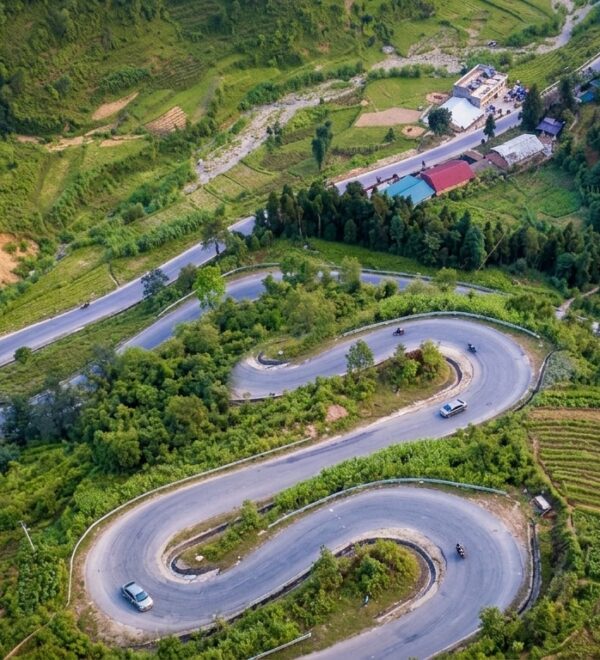
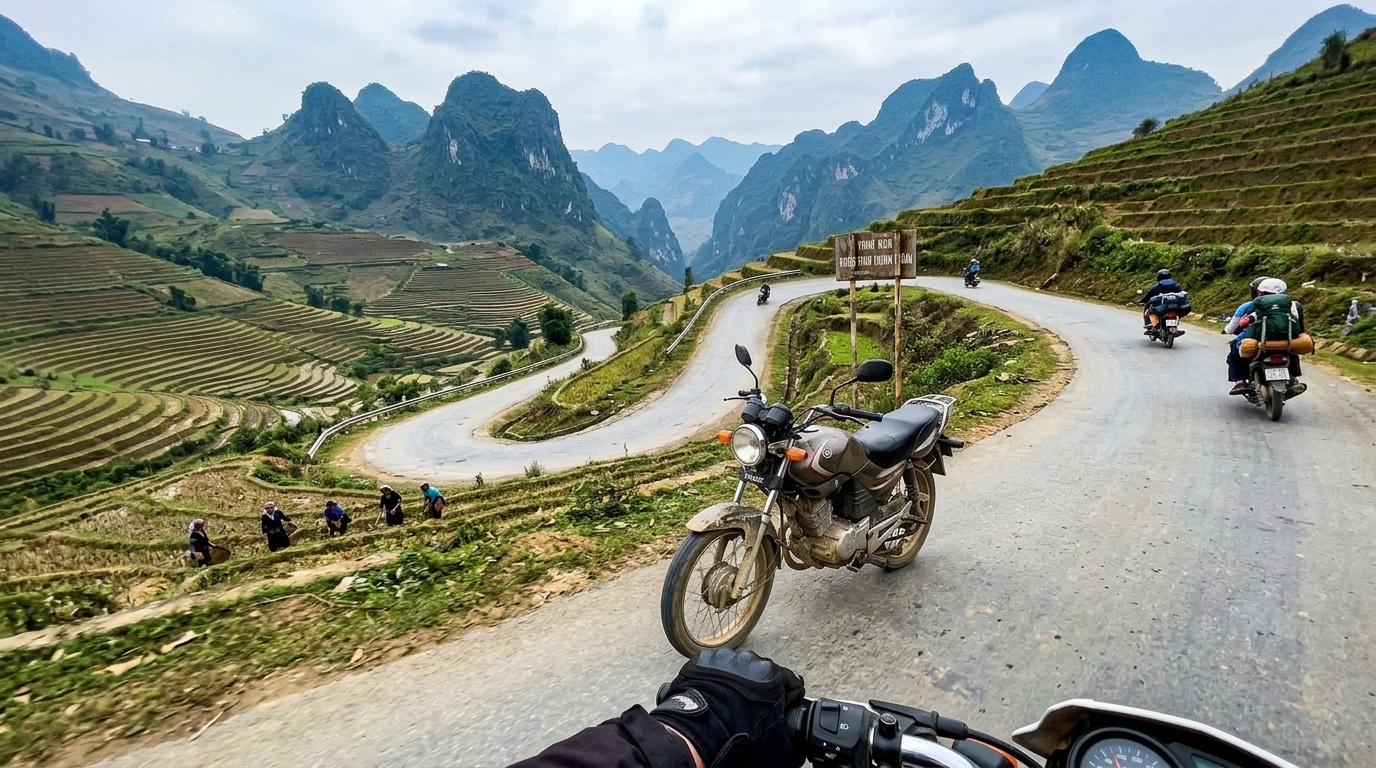
I’m going to give you the real numbers from 2026, not a theoretical minimum that assumes you never eat anything interesting or have any problems. Here’s what the Ha Giang Loop actually costs at different travel styles.
The Core Costs — What Everyone Pays
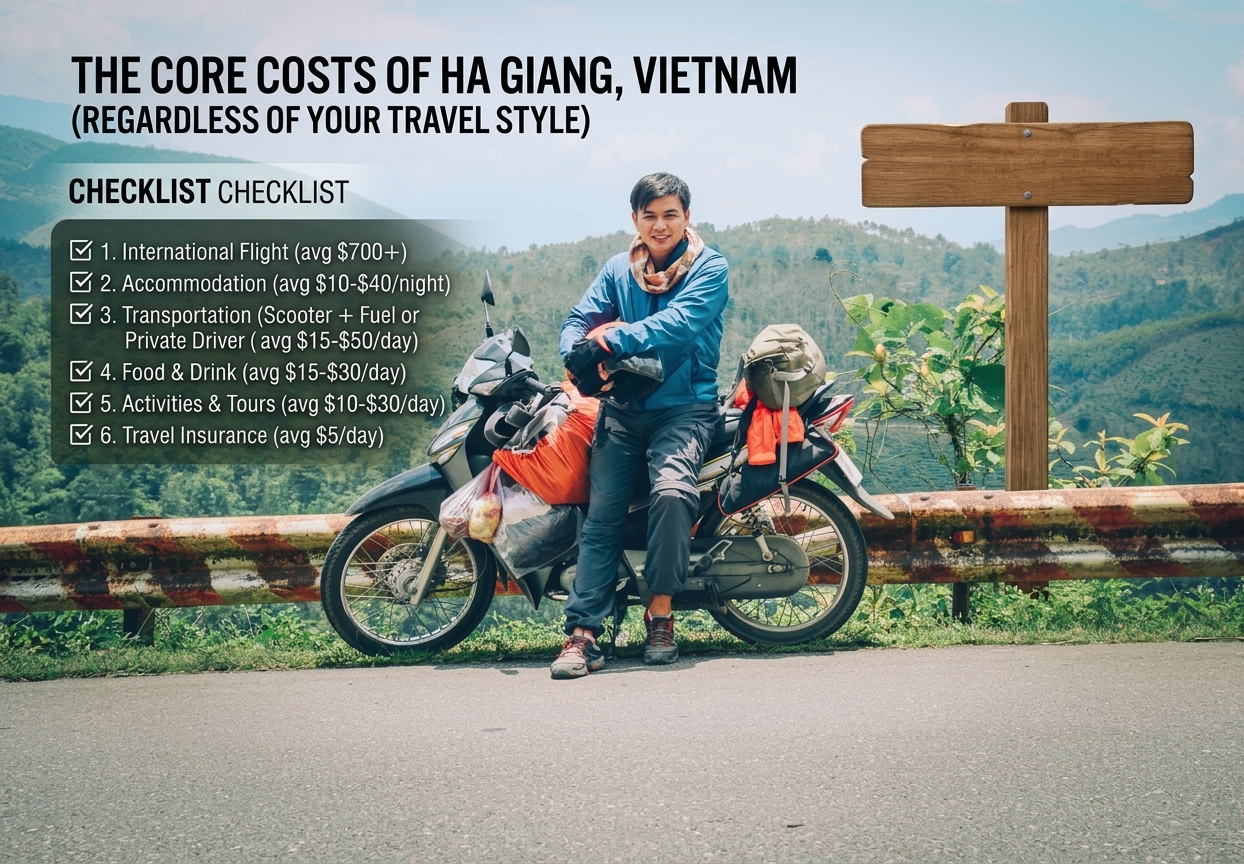
Regardless of your travel style, these costs are fixed or near-fixed for everyone doing the loop:
Self-Drive Loop — Full Cost Breakdown
Motorbike Rental Cost Detail
The biggest variable in your budget is which bike you choose:
- Semi-auto 110–125cc (Honda Blade, Yamaha PG-1): 180,000–250,000 VND/day (~$7–9). Cheapest option; the PG-1 is popular for its off-road looks even though it’s functionally a city bike.
- Manual 150cc+ (Honda XR150): 450,000–600,000 VND/day (~$17–23). The right bike for the loop if you can ride manual — more torque on mountain climbs, more confident on steep descents.
- Manual 150cc (Honda Winner X, Yamaha Exciter): 300,000–400,000 VND/day (~$11–15). Middle ground — manual gearbox, less torque than XR but more comfortable on long days.
- Deposit: 1,500,000–3,000,000 VND (~$57–114) or passport hold — avoid passport holds, use reputable shops that take cash deposits instead.
For full details on bike selection and what to check before you ride, see the Ha Giang Loop motorbike guide.
Transport to/from Ha Giang — Add This to Your Total
The costs above assume you’re already in Ha Giang city. Add round-trip transport from Hanoi:

See the Hanoi to Ha Giang guide for full bus booking details, overnight timing, and which operators to use.
Guided Tour Costs — Easy Rider and Jeep
If you’re not self-driving, the cost structure changes completely:
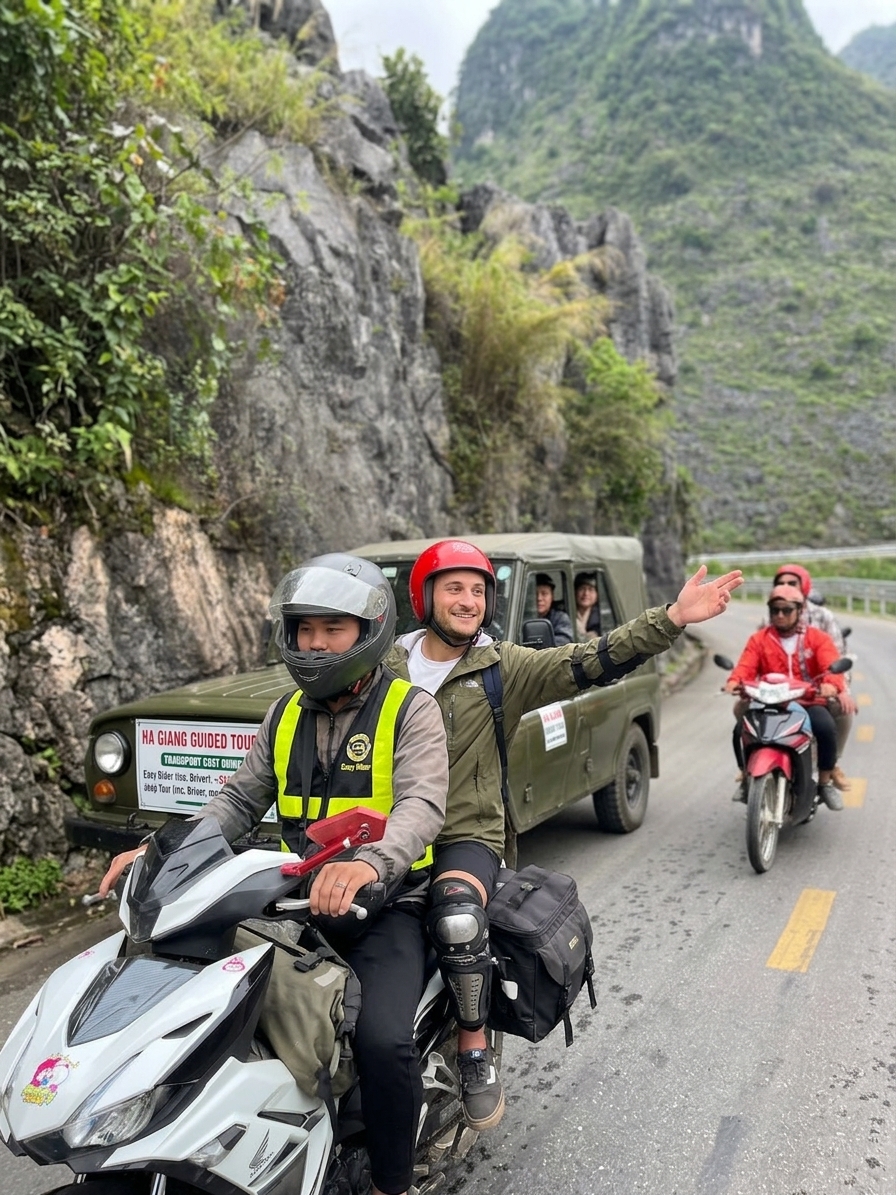
Easy Rider (Motorbike + Guide)
- 3D2N tour: 3,800,000–4,500,000 VND (~$144–171) per person
- 4D3N tour: 4,800,000–6,000,000 VND (~$182–228) per person
- Private 4D3N: up to 6,300,000 VND (~$239) per person
- Tip: 150,000–200,000 VND/day (~$6–8) per guide — standard, not optional
- Accommodation: usually NOT included; add 150,000–400,000 VND/night (~$6–15)
Jeep Tour (Shared)
- 3D2N shared: 4,500,000–5,500,000 VND (~$171–209) per person
- 4D3N shared: 5,500,000–7,000,000 VND (~$209–266) per person
- All-inclusive jeep (4D3N with hotel + meals): 12,000,000–18,000,000 VND (~$455–683) per person
Food Costs on the Loop
Food on the loop is genuinely cheap if you eat where locals eat:

- Phở / bún bò (noodle soup): 25,000–70,000 VND (~$1–3)
- Cơm bình dân (rice + dishes): 30,000–80,000 VND (~$1.20–3)
- Thắng cố at market: 50,000–100,000 VND (~$2–4)
- Bánh mì: 15,000–25,000 VND (~$0.60–0.95)
- Tourist-facing restaurant meal: 80,000–150,000 VND (~$3–6)
- Beer (Bia Hoi or bottled): 15,000–30,000 VND (~$0.60–1.10)
Budget travelers eating local food spend 200,000–350,000 VND/day (~$8–13) on all meals.
Accommodation Costs on the Loop
The range is extreme — from 150,000 VND (~$6) dorm beds in Ha Giang city to 5,000,000 VND (~$190) boutique lodge rooms in Meo Vac:
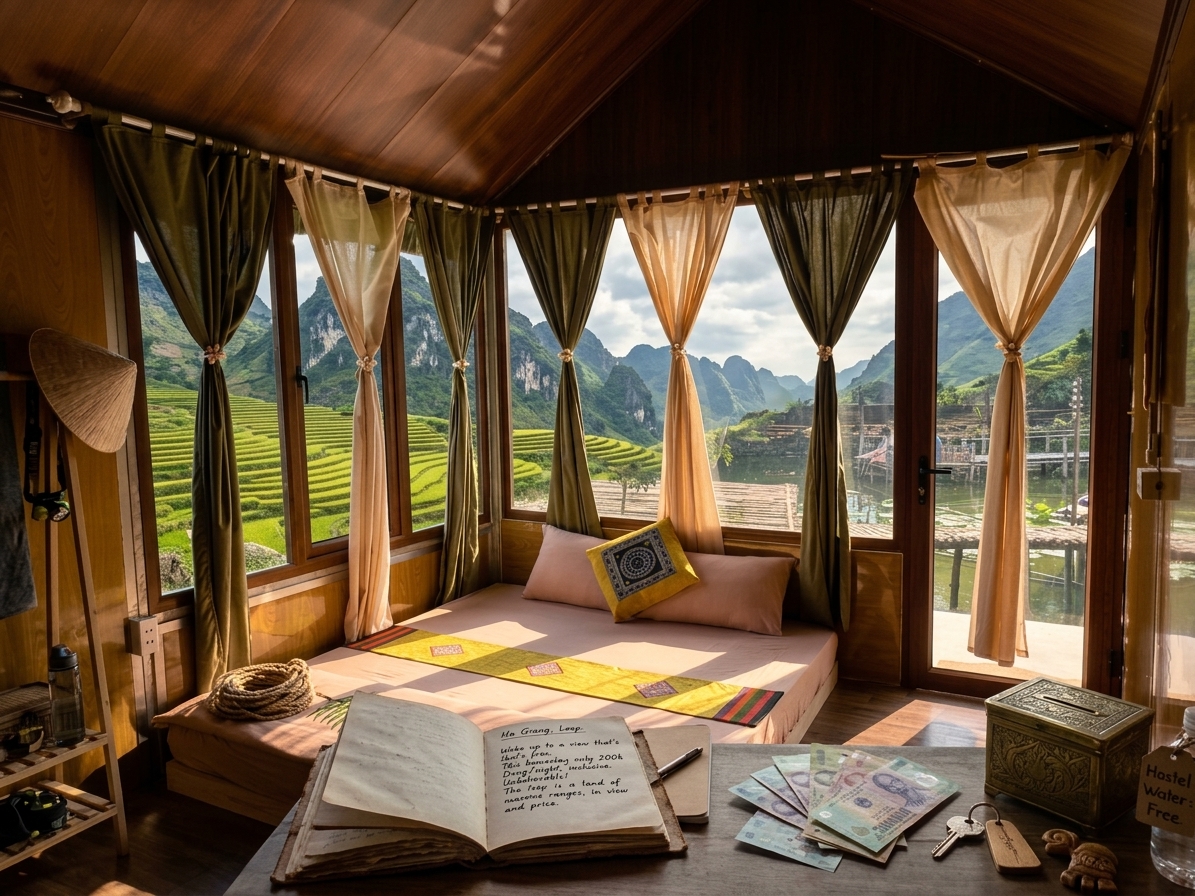
Ha Giang City: Ha Giang Amazing Hostel — dorm 150,000–300,000 VND (~$6–11), private 300,000–500,000 VND (~$11–19). Ha Giang Riverside Hostel — 200,000–375,000 VND (~$8–14). The Bluestone Lodge — from 550,000 VND (~$21).
ments barely exist outside Ha Giang city, and even there it’s patchy. The rule is simple: withdraw everything you need before you leave Ha Giang city on Day 1.
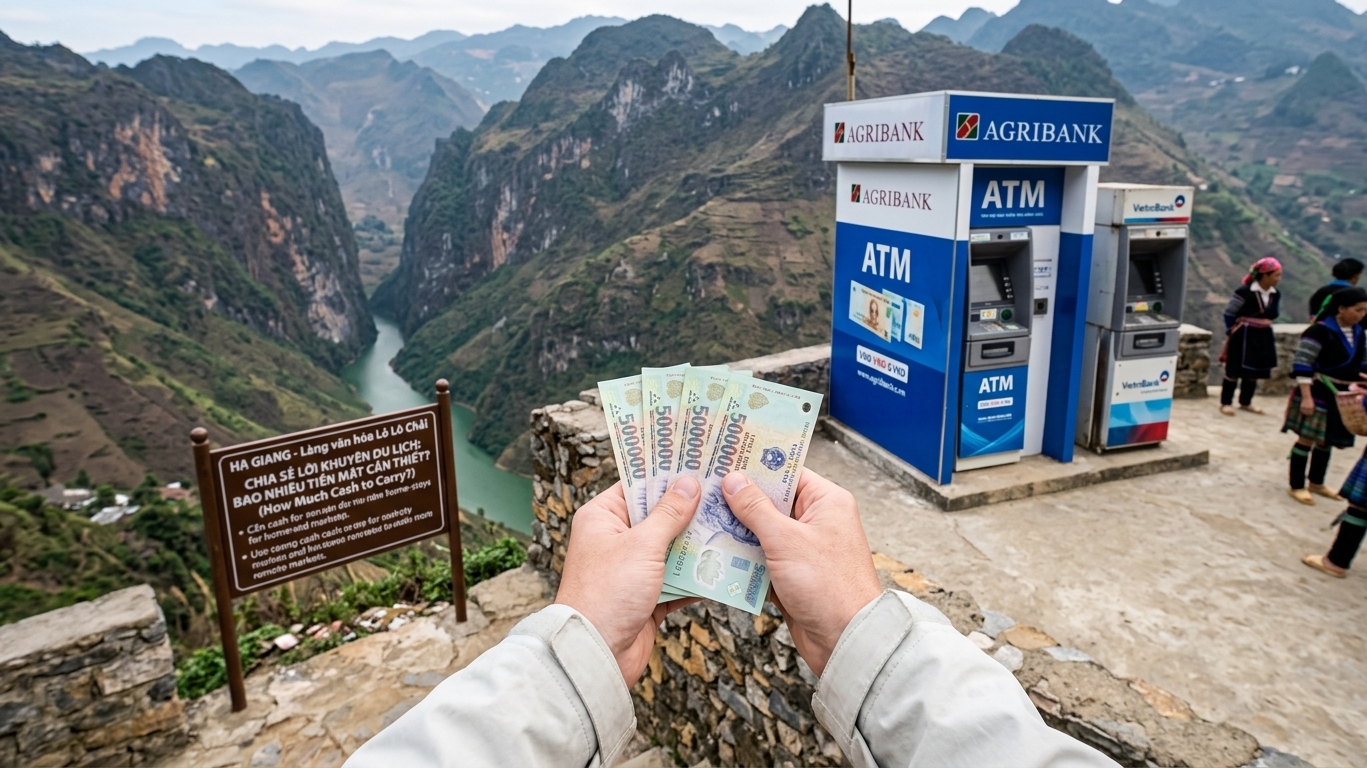
I once watched a solo rider in Mèo Vạc staring at a screen that said “Transaction Declined” with 50,000 VND left in his wallet and two days of loop still ahead. His hostel owner lent him the money — which worked out — but that is not a system you want to depend on. One big withdrawal in Ha Giang city is the only sensible approach.
What Will Blow Your Budget
Three things people don’t budget for that surprise them:
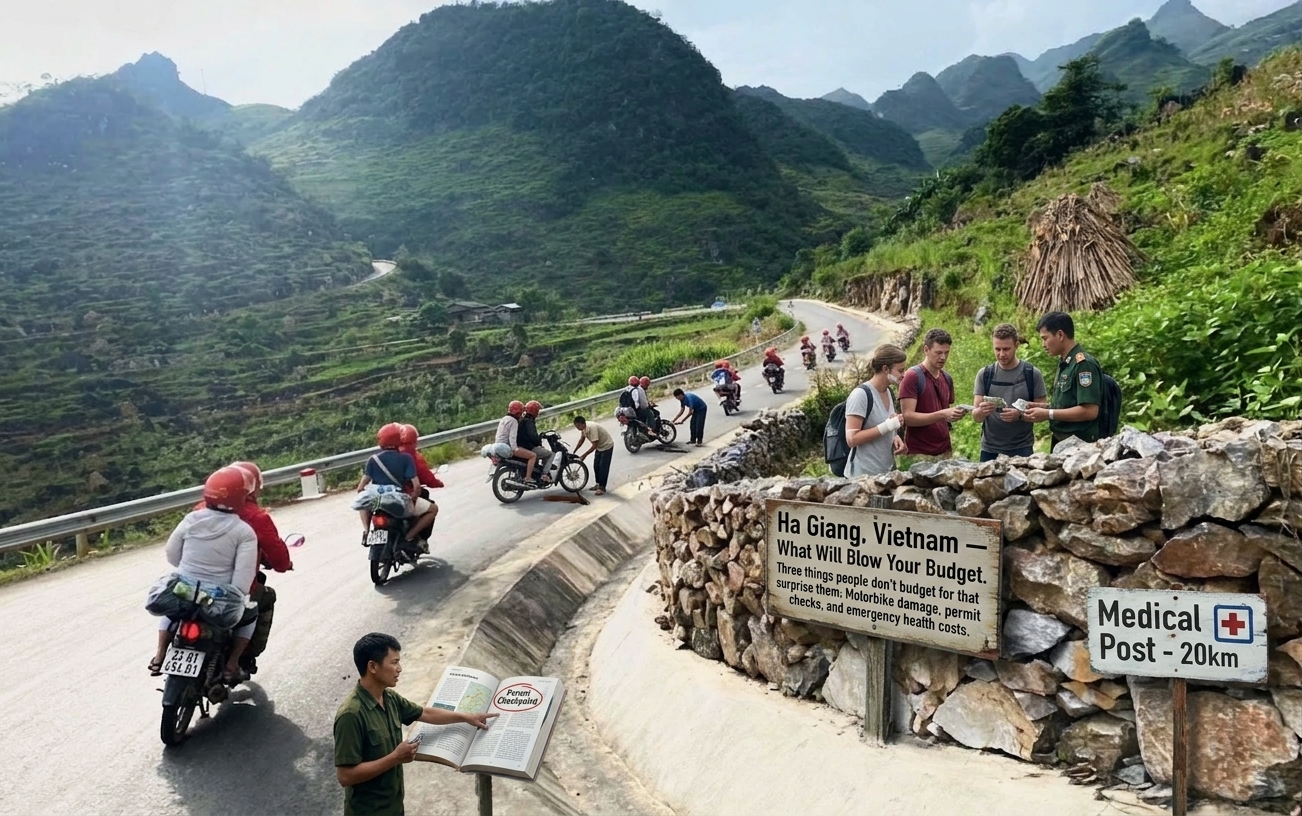
- Motorbike damage deposit or claims — rental shops occasionally claim damage that was pre-existing. Always video the bike before riding (full exterior, underside, odometer). Budget the deposit (1,500,000–3,000,000 VND/~$57–114) as locked cash you’ll get back, not spending money.
- Rain gear purchase on arrival — if you didn’t bring it from Hanoi, budget 200,000–400,000 VND (~$8–15) for a rain set in Ha Giang city. The Ha Giang packing list covers what to bring so you don’t buy it there at double the price.
- Fines at police checkpoints — if you don’t have a valid IDP (International Driving Permit), fines run 2,000,000–8,000,000 VND (~$76–304). Get your IDP before leaving your home country — it costs ~$20 USD through AAA or your country’s equivalent.
Total Trip Budget — Full Ha Giang Loop from Hanoi
Five Ways to Cut the Budget Without Cutting Corners on Safety
- Book the right night on the bus. Standard sleeper over VIP saves 100,000–250,000 VND (~$4–9) each way. You sleep the same number of hours regardless.
- Eat at market stalls and com binh dan places, not the tourist restaurants near hostels. Phở at a local stall costs 25,000–35,000 VND (~$1–1.40). The same bowl at the hostel restaurant costs 60,000–80,000 VND (~$2.30–3). Over four days of three meals each, that difference adds up to 800,000–1,000,000 VND (~$30–38).
- Travel mid-week if possible. Accommodation in Đồng Văn and Mèo Vạc costs 20–40% more on Friday and Saturday nights during October–November peak season. Tuesday through Thursday rates are consistently lower.
- Dorm beds in Ha Giang City, private rooms on the loop. Ha Giang city hostels are social and cheap (150,000–200,000 VND/night). On the loop itself, the jump from dorm to private is only 100,000–200,000 VND extra — worth it after a full day of mountain riding.
- Skip the Lung Cu flag tower if truly budget-constrained. It costs 25,000 VND to enter and a 24km round-trip detour in fuel. Worth doing if you have time, but genuinely optional.
What Travelers Actually Say: The Consensus
The consistent pattern in Ha Giang cost threads: people who budgeted $100–120 and ended up spending $150–180. The gap is almost always motorbike deposit, rain gear bought on arrival, and one night choosing a better guesthouse than planned because they were cold and tired.
“Budget $200 and you’ll come back with money left over. Budget $100 and you’ll stress about every meal” — that’s the consensus from r/VietNam, and it tracks with what actual costs look like. The loop is cheap, but not if you treat the minimum as a real budget.
On guided vs. self-drive costs: the recurring observation is that easy rider tours cost more than the self-drive alternative but less than most people expect, once you add guide tip and accommodation back in. “The guide makes the experience — I would have missed everything without him. Worth $200 extra.” That’s representative.
For the full Ha Giang Loop guide covering timing, itinerary, and the route itself — that’s where the cost context becomes a day-by-day plan.
Frequently Asked Questions
How much cash should I bring for the Ha Giang Loop?
✓Quick Answer
For a 4-day self-drive budget trip: 4,000,000–5,000,000 VND (~$152–190) covers the loop with a buffer. Add your round-trip bus cost if paying cash. Withdraw at Vietcombank on Trần Hưng Đạo in Ha Giang City before Day 1 — ATMs in Dong Van and Meo Vac exist but are unreliable for foreign cards.
Can I do the loop for under $100 total from Hanoi?
✓Quick Answer
Including Hanoi–Ha Giang transport: very difficult without cutting corners on safety. The loop itself (without transport) is doable under $100 for budget travelers. Including round-trip bus, $120–150 is the realistic floor for a safe, comfortable budget trip. Budget $180–200 to avoid stress.
Does the loop cost more in peak season?
✓Quick Answer
Accommodation yes — guesthouses in Dong Van and Meo Vac charge peak rates on weekends in October–November. Expect 20–40% premium on private rooms. Food and fuel prices stay stable year-round. Motorbike rental prices are consistent. The Ha Giang best time guide explains when to go for the best views vs. best value.
Two things worth sorting before you land: a Vietnam eSIM so you have data the moment you clear customs, and travel insurance — medical costs for uninsured foreigners in Vietnam are significant.
Airalo eSIMs activate instantly. Buy before departure — airport SIM queues in Vietnam can take 30+ minutes.
Frequently Asked Questions
How much does the Ha Giang Loop cost per day?
Budget travelers spend 400,000–600,000 VND (~$15–23) per day including accommodation, food, fuel, and the required border area permit (230,000 VND / ~$8.75, one-time). Mid-range runs 800,000–1,200,000 VND (~$30–46). The loop takes 3–4 days.
How much does it cost to rent a motorbike for the Ha Giang Loop?
Semi-automatic (Honda Wave/Win) rents for 150,000–200,000 VND (~$5.70–7.60) per day. Automatics cost 200,000–250,000 VND (~$7.60–9.50). Manual 150cc+ bikes run 250,000–350,000 VND (~$9.50–13.30). Deposit: 2,000,000–5,000,000 VND (~$76–190).
What is the Ha Giang permit and how much does it cost?
The restricted area permit costs 230,000 VND (~$8.75) and is mandatory for all foreigners. Buy it at Ha Giang Police Station — bring your passport, takes 15–30 minutes on weekday mornings. Some guesthouses arrange it for a small fee.
Is it cheaper to join a Ha Giang Loop tour or go self-guided?
Self-guided is cheaper if you ride confidently. A 3-day self-guided loop costs 1,200,000–1,800,000 VND (~$46–69) per person. Budget group tours start at 1,500,000 VND (~$57) for 3 days including guide, bike, accommodation, and some meals.
How to Reduce Costs on the Ha Giang Loop
The loop has a floor — some things can’t be done cheaper without compromising safety. But there are legitimate ways to spend less without a worse experience:
Rent from a local shop, not a tour company. Ha Giang city has dozens of motorbike rental shops run by local families. A semi-automatic or manual Honda Win runs 120,000–200,000 VND/day from a local shop; 300,000–500,000 VND/day from a packaged tour operator. The bike is often the same; the markup is for the tour company’s overhead. If you’re a confident rider, rent independently.
Travel mid-week. Weekend accommodation at popular stops (Đồng Văn, Mèo Vạc) runs 150,000–250,000 VND more per night than the same rooms on Tuesday–Wednesday. The loop is busiest Friday through Sunday with Vietnamese domestic riders. Monday–Thursday gives you quieter roads, lower accommodation prices, and more attentive service at guesthouses that aren’t at capacity.
Eat where locals eat. Son Trach village food: bún phở stalls near the market area, cơm bình dân (set rice meals with multiple dishes) at 30,000–50,000 VND. The guesthouse restaurants in Đồng Văn target tourists and charge accordingly — 80,000–150,000 VND for dishes that cost half as much two streets over at a family kitchen. Look for tables with Vietnamese truck drivers; that’s where the price-to-quality ratio peaks.
Skip the packaged jeep tour. Jeep tours with guide and vehicle cost 3,000,000–5,000,000 VND for 3 days. A rented semi-auto motorbike with fuel costs 600,000–800,000 VND for the same route. The jeep makes sense if you can’t ride a motorbike or want a guide for the history and minority culture context — it’s not the right choice purely for comfort savings.
Accommodation strategy by stop: Ha Giang city (first night, last night) has the most budget options — 120,000–200,000 VND for a basic private room at family guesthouses. Quản Bạ and Yên Minh are cheaper than Đồng Văn; split your nights to maximize time at the scenic high points while staying cheaper at the in-between stops.
Ha Giang Loop Budget Examples — Real Scenarios
Ha Giang Loop Cost FAQ
How much does it cost to do the Ha Giang Loop?
A self-ridden 3-day loop costs 600,000–900,000 VND (~$24–36) per person excluding transport to Ha Giang. This covers a rented motorbike (150,000–200,000 VND/day), fuel (~50,000 VND/day), basic guesthouse accommodation (100,000–150,000 VND/night), and local food (60,000–100,000 VND/day). With a jeep tour and guide, budget 3,500,000–5,000,000 VND ($140–200) for the same 3 days.
How much does it cost to rent a motorbike for Ha Giang?
Semi-automatic bikes (Honda Wave, Yamaha Sirius): 120,000–180,000 VND/day from local shops in Ha Giang city. Manual bikes (Honda Win): 150,000–200,000 VND/day — better for steep mountain roads but requires manual riding experience. Leave a deposit (500,000–1,000,000 VND or passport copy) and inspect the bike carefully before departing. Our Ha Giang motorbike guide covers what to check before renting.
Is Ha Giang Loop expensive compared to the rest of Vietnam?
Slightly more expensive than comparable remote areas like Mù Cang Chải because of the higher tourist infrastructure demand. But significantly cheaper than Sapa tours or Ha Long Bay cruises. The value proposition is high — you’re getting one of Vietnam’s most dramatic landscapes for under $15/day total if you travel independently. The jeep tour option is the expensive version, but even that ($50–70/day) is cheap by international adventure tourism standards.
Hidden Costs That Catch Travelers Off Guard
A few Ha Giang costs that aren’t always mentioned in budget estimates:
Bike repairs. The Ha Giang Loop’s mountain roads are hard on motorbikes. A tyre puncture (common on gravel sections) costs 30,000–80,000 VND to fix at roadside repair shops — these shops exist frequently along the route and are used to loop riders. A more significant mechanical issue (chain, brake adjustment) runs 50,000–200,000 VND. Budget 100,000–150,000 VND for minor repairs as a contingency — most riders need nothing, but some need a tyre fix.
The Đồng Văn Karst Plateau Geopark entrance fee. 20,000 VND per person — applied at a checkpoint on the road into the plateau area. Not a significant expense but catches first-time riders off guard as it’s not always mentioned in pre-trip research. Pay at the checkpoint, keep the receipt in case you pass a secondary checkpoint.
Petrol outside Ha Giang city. Fuel stations along the loop charge slightly more than city prices — 26,000–28,000 VND per liter versus 24,000–26,000 VND in Ha Giang city. Fill up fully in Ha Giang city before leaving each morning. The tank on a standard semi-auto bike lasts approximately 200km — enough for a full day’s riding between most stops without needing to refuel at premium roadside prices.