Last updated: May 2026
Why Phu Quoc Divides Opinion
A Reddit thread from 2024 titled “Is Phu Quoc worth visiting?” generated responses ranging from “always worth it, it’s beautiful” to “very overpriced, overcrowded and poor service” to “rubbish everywhere, fake and empty buildings.” All three are partly accurate, and the divergence comes down to where on the island you spent your time and what you expected.
The resort development on Long Beach (Bai Truong) and the northern VinGroup complex (VinWonders, Grand World, Vinpearl) is unambiguously overdeveloped — wall-to-wall resorts, limited beach character, theme park infrastructure on what was agricultural and forested land five years ago. One Reddit user described it with precision: “Spots of over-development — more expensive, more restricted. Resorts tend to hog the best beaches. Spots of under-development — beautiful, rural, pure.”
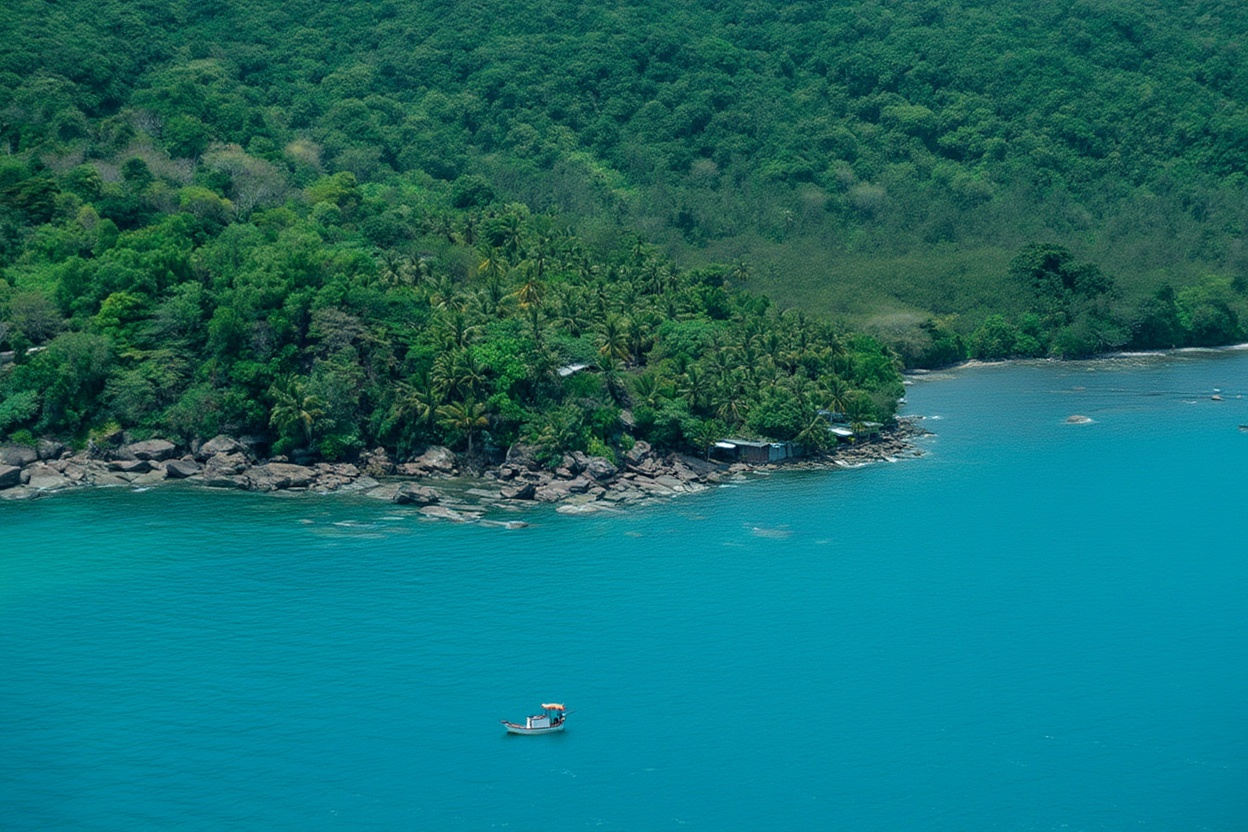
The under-development spots are still accessible. Sao Beach in the south, the An Thoi island archipelago, the national park forest in the north, the fish sauce factories in Duong Dong, the fishing village at Ham Ninh. These require a motorbike and advance planning. The Long Beach resort strip does not require either — which is why most visitors stay there and experience the over-developed half of the island exclusively.
The Best Beaches on Phu Quoc
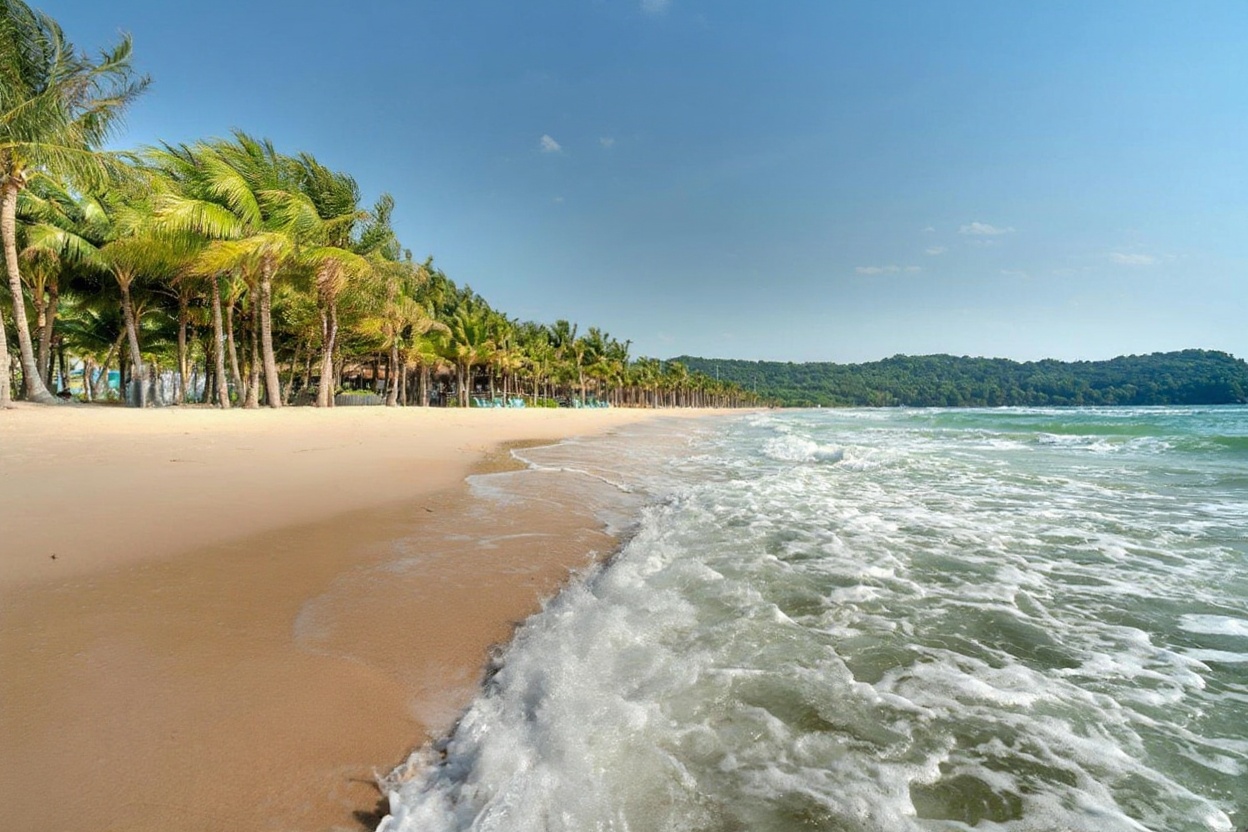
Sao Beach (Bai Sao): 25km southeast of Duong Dong, 45 minutes by motorbike. White sand, turquoise water, shaded at the back by trees. Arrive before 8am for empty beach; by 10am the day-tripper minibuses arrive. Beach chair rental: 100,000–150,000 VND/day from the restaurants at the back.
Khem Beach (Bai Khem): 28km south — the finest sand on the island, next to the JW Marriott property. The middle section of the beach is publicly accessible even though the resort occupies the best section. Combine with Sao Beach as a morning south coast circuit.
Ong Lang Beach: 14km north of Duong Dong — shorter than Long Beach, significantly less developed, direct beach access. Better for a quiet mid-range stay than a day trip. Rocky at the north end but good sand sections along the center.
Long Beach (Bai Truong): The main 20km west coast strip. Convenient, lots of accommodation, sunset views are good. The beach itself is swimmable but the resort density has removed much of its natural character. Fine for the sunset and a swim but not the reason to come to Phu Quoc.
Ganh Dau: At the northern tip of the island — basic grey-sand beach, a few seafood restaurants, and a view of Cambodia 3km across the water. A destination for the ride rather than the beach.
For a complete breakdown of every beach on the island including jellyfish seasons and best swimming windows, see our Phu Quoc beaches guide.
Things to Do in Phu Quoc
The activities that actually justify the trip:
An Thoi Island Snorkelling: Day trips to the An Thoi archipelago (15 small islands south of Phu Quoc) are the best snorkelling accessible from the island — 5–15 meters visibility in dry season, coral in reasonable condition. Depart An Thoi pier at 8am, return by 4pm. Shared boat: 400,000–600,000 VND/person including gear and floating seafood lunch.
Klook has the widest selection for Vietnam and is usually the cheapest. KKday is strong on day trips and local experiences.
sland’s most famous product — 12,000-liter fermentation barrels of anchovies and salt, producing the premium fish sauce that ends up in every bowl of phở across Vietnam. 30–45 minutes. The smell of the barrel room is aggressive and immediately unforgettable. Open 8am–5pm.
North Coast Motorbike Ride: Duong Dong to Ganh Dau (30km, 50 minutes) through Phu Quoc National Park — the island’s intact tropical forest. Wildlife visible from the road: monitor lizards, fruit bat colonies, hornbills. Cambodia visible from Ganh Dau on clear days.
Phu Quoc Night Market: The island’s best evening. Grilled scallops (80,000–120,000 VND/plate), pepper crab (300,000–500,000 VND), grilled squid (60,000–100,000 VND). Open 5pm–11pm, Duong Dong town waterfront near Dinh Cau rock.
Ham Ninh Fishing Village: East coast, 15km from Duong Dong — stilted seafood restaurants over murky water, the island’s most authentic remaining fishing community. Seafood lunch for two: 300,000–500,000 VND.
Phu Quoc Prison (Historical Site): South island near An Thoi. Free entry. Operating during the 1950s–70s — the wax figure recreations are confronting. Worth an hour for anyone interested in the Vietnam War beyond the Saigon museum version.
For the complete activity breakdown with timing, costs, and honest assessments of what’s worth it, see our Phu Quoc things to do guide.
Where to Stay in Phu Quoc
Location matters more than price on Phu Quoc. The island is large enough that staying in the wrong area significantly affects what you can access without a long motorbike ride.
Duong Dong town: The main town. Budget guesthouses 150,000–300,000 VND/night — cheapest on the island, 5 minutes walk from the Night Market, beach 10 minutes by motorbike. Best for budget travelers who prioritize the Night Market and town atmosphere. The motorbike to Sao Beach and back is the daily commute.
boutique resorts 800,000–2,000,000 VND. Best for repeat visitors or anyone who wants independence over convenience.
South coast (near Sao Beach/Khem Beach): Few accommodation options outside the JW Marriott (Khem Beach, $200–500+/night) and small guesthouses in An Thoi town. Best for beach quality — the south coast beaches are the island’s best. Requires motorbike commitment for Night Market and restaurants.
For the full neighborhood breakdown and what to avoid when booking, see our Phu Quoc where to stay guide.
Getting to Phu Quoc from Saigon
The fastest and most common route is the direct flight from Tan Son Nhat (SGN) to Phu Quoc International Airport (PQC) — 55 minutes, operated by VietJet, Bamboo, and Vietnam Airlines multiple times daily. Prices: 350,000–800,000 VND (~$13–30) for budget carriers booked in advance, 1,500,000–3,000,000 VND for full-service or last-minute.
The ferry option: overland from Saigon to Rach Gia or Ha Tien by bus (3–4 hours, 150,000–200,000 VND), then fast ferry to Phu Quoc — 2.5 hours from Rach Gia (180,000–250,000 VND) or 1 hour from Ha Tien (200,000–280,000 VND). Total time: 5.5–8 hours versus 55 minutes by flight. The ferry route makes sense if you’re doing the Mekong Delta circuit (Saigon → Can Tho → Chau Doc → Ha Tien → Phu Quoc) rather than flying directly. For a standalone Phu Quoc trip: fly.
For full transport options, pricing, and how to combine with the Mekong Delta overland circuit, see our Phu Quoc from Saigon guide.
When to Visit Phu Quoc
Phu Quoc has a more consistent climate than most of Vietnam — in the Gulf of Thailand rather than the South China Sea, so it doesn’t get the central Vietnam typhoon season directly.
Dry season (November–April): The main tourist season — clear skies, calm sea, good visibility for snorkelling. Prices peak December–February. November is the best value window: dry weather just establishing, crowds not yet at peak, accommodation 20–30% below December prices.
Wet season (May–October): Daily afternoon rain, rougher seas that cancel An Thoi snorkelling trips on bad days, and jellyfish in August–September. Beach activities still work in the mornings. Prices drop 40–60% at budget and mid-range properties. The national park is lush and green. If snorkelling is not your priority, wet season Phu Quoc is a reasonable low-cost option for beach relaxation.
Peak dates: Christmas and New Year’s Eve are dramatically more expensive — book luxury accommodation 8–12 weeks ahead. Tet (January/February, varies) fills the island with domestic Vietnamese travelers; book everything 3–4 weeks ahead regardless of budget.
Phu Quoc on a Budget
The island has a reputation for being expensive by Vietnamese standards — partly justified for mid-range and luxury accommodation, less so for budget travel if you stay in Duong Dong or on the north section of Long Beach.
Daily budget breakdown for a budget traveler on Phu Quoc:
Accommodation: 250,000–350,000 VND/night in a guesthouse. Food: 100,000–200,000 VND (phở for breakfast, market stall lunch, Night Market dinner). Motorbike rental: 160,000 VND/day. An Thoi snorkelling trip (the main splurge): 450,000 VND one day. Total: approximately 750,000–1,000,000 VND/day (~$28–38) covers everything including the main paid activity. This is higher than Hanoi or Hoi An at budget level, but not significantly so.
Budget travel mistake to avoid: eating all meals at beachfront tourist restaurants. The price difference between a Night Market stall and a Long Beach resort restaurant for equivalent food is 3–5×. Walk 10 minutes from the beach road and prices normalize to standard Vietnamese levels.
Getting Around Phu Quoc
The island is 48km from north to south. Without a motorbike, you’re restricted to Long Beach and whatever Grab can reach economically — which rules out the south coast beaches, the north coast, and any efficient combination of activities across different parts of the island.
Motorbike rental: 150,000–200,000 VND/day (~$5.70–7.60) for a semi-automatic or automatic scooter. Rent from your guesthouse or any of the rental shops along the Long Beach road. Photograph the bike before accepting it (existing damage), leave a cash deposit rather than your passport if possible (500,000–1,000,000 VND), and check tyres and brakes. The main roads are good quality — the Duong Dong–Sao Beach road is well paved and straightforward. Night riding on unlit rural roads is the main hazard; do the north coast and south coast circuits during daylight.
12Go covers most Vietnam routes — sleeper buses, trains, and island ferries. Compare schedules and book in advance during peak season (Dec–Feb, Jun–Aug).
Grab: Available throughout the island and reliable in Duong Dong and the Long Beach strip. For the south coast, it’s expensive for day trips (80,000–120,000 VND each way to Sao Beach). As a one-off, fine; as a daily transport, the motorbike rental cost recoup in two days.
Taxi: Multiple taxi companies operate on the island. For airport arrivals, the metered taxi from PQC airport to Long Beach is 150,000–250,000 VND (~$5.70–9.50) depending on exact location — straightforward and not worth the negotiation of an unmetered driver.
The airport is in the south-center of the island, 8km from Duong Dong. Long Beach accommodation is 15–20 minutes from the airport. Ong Lang and north Long Beach accommodation is 30–40 minutes.
Practical Information for Phu Quoc
Currency and ATMs: VND is the working currency everywhere on the island. ATMs are available throughout Duong Dong and on the Long Beach strip — 4–5 major bank machines within 200 meters of the Night Market. The daily withdrawal limit is typically 5,000,000–8,000,000 VND per transaction. International card fees apply; Vietcombank and BIDV typically charge lower foreign transaction fees than smaller Vietnamese banks.
SIM cards: Buy at the airport arrival hall (Viettel, Mobifone, or Vietnamobile) for 100,000–150,000 VND including data — the fastest option. Available throughout Duong Dong if you missed the airport. 4G coverage is good across Duong Dong and Long Beach, patchy in the national park and north coast road.
Medical: Phu Quoc General Hospital is in Duong Dong. For serious conditions, medical evacuation to Ho Chi Minh City (55 minutes by flight) is the standard recommendation. Travel insurance with medical evacuation cover is strongly advised — the island’s medical facilities are limited for anything beyond basic care.
Language: English is functional at most Long Beach hotels and tourist-oriented restaurants. At the Night Market, pointing and price boards work. At the fishing harbor and local food stalls, Vietnamese numerals on a phone screen are enough to confirm prices.
What to Eat on Phu Quoc
The island’s signature dishes beyond the Night Market — the food that gives Phu Quoc a culinary identity independent of its resort infrastructure:
Bún quậy Phú Quốc: A Phu Quoc–specific noodle dish — thick rice noodles in a clear seafood broth with shrimp, fish cakes, and fresh herbs, served with a side dipping sauce. Available at specialized bún quậy stalls in Duong Dong from early morning. Price: 40,000–70,000 VND. Different from anything you’ll find in mainland Vietnam.
Gỏi cá trích (herring salad): Raw herrings (caught locally the same morning) mixed with julienned green mango, toasted peanuts, fresh herbs, and coconut cream. Eaten wrapped in rice paper. A Phu Quoc specialty. Price at a local restaurant: 80,000–120,000 VND per serving.
Hà tiêu đen Phú Quốc: The island’s black pepper is a genuine agricultural product with geographic protection status — harvested from the vine trellises that line the roads south of Duong Dong toward Sao Beach. Available at the pepper plantations directly and at the Night Market at a fraction of airport shop prices. 100,000–150,000 VND per 100g at source versus 400,000–600,000 VND for the same quantity in an airport gift shop. Red pepper (harvested earlier, slightly fruitier) and white pepper (dried black pepper with outer skin removed) are also available. A genuinely useful souvenir that’s lightweight and significantly better than anything you’ll find packaged for export.
What I Got Wrong About Phu Quoc
I arrived expecting too much of Long Beach and too little of the south coast. Two days on the resort strip: sun chairs, pool bar, beach, repeat. Fine. Exactly what was advertised. Not what I came for.
Day three: rented a motorbike at 6am, rode to Sao Beach. Arrived before anyone else. The beach was empty and the water was the kind of blue that doesn’t look real in photos. Two hours with no one else for the first mile. Rode to Khem Beach. Had it to myself until 9:30am when the day-tripper vans arrived. Stopped at the fish sauce factory on the way back — the smell inside the main barrel room hit me before I got through the door, a wall of fermented anchovy funk so concentrated it took 10 seconds to normalize. Had lunch at a market stall for 45,000 VND.
The island’s good experiences are the ones that require movement. Long Beach is where you sleep. The motorbike is where Phu Quoc happens. If you’re going to spend money on one thing beyond accommodation and food over four days, spend it on the motorbike rental. Everything else — the south coast beaches, the factory tour, the north road through the national park — is either free or under $25. The transport is what unlocks the island.
Two things worth sorting before you land: a Vietnam eSIM so you have data the moment you clear customs, and travel insurance — medical costs for uninsured foreigners in Vietnam are significant.
Airalo eSIMs activate instantly. Buy before departure — airport SIM queues in Vietnam can take 30+ minutes.
Frequently Asked Questions
Is Phu Quoc worth visiting?
Yes — with calibrated expectations. If you arrive expecting an untouched tropical island, you’ll be partly disappointed by Long Beach’s resort density and the VinGroup development footprint. If you arrive expecting a large island with some excellent beaches, the best snorkelling in southern Vietnam, distinctive local food, and a fishing culture that’s still intact in parts, Phu Quoc is good. Most traveler disappointment comes from staying exclusively on Long Beach. The south coast and north forest are a different island.
How many days do you need in Phu Quoc?
Four nights covers everything worth doing: south coast beach day, An Thoi snorkelling day, north coast motorbike day, Night Market multiple evenings, fish sauce factory, Ham Ninh village. Five nights is comfortable. Three nights is tight but works if you prioritize the south coast and snorkelling over the north. Anything under 3 nights means travel time to/from the island (even at 55 minutes by flight) eats significantly into the experience.
Is Phu Quoc expensive?
More expensive than most Vietnamese destinations — but not dramatically so at budget level. Budget travelers can manage on 750,000–1,000,000 VND/day (~$28–38) covering accommodation, food, motorbike rental, and one paid activity. Mid-range travelers spending 1,500,000–2,500,000 VND/day ($57–95) eat well and stay in resorts with pools. The real expense is peak-season mid-range resort accommodation: the same room costs 40–60% less in October–November than December–January.
Is Phu Quoc good for families?
Yes — specifically for families with children under 12 who want beach activities and theme park entertainment. VinWonders (water park, rollercoasters) and the Sun World cable car to Hon Thom island are both well-suited to children. The south coast beaches are calm and shallow — Khem Beach particularly is a good family swimming beach. Families who want the resort experience with child-friendly activities are the demographic the island’s infrastructure is increasingly built for. Independent adult travelers are better served by the island’s natural areas.
What is Phu Quoc best known for?
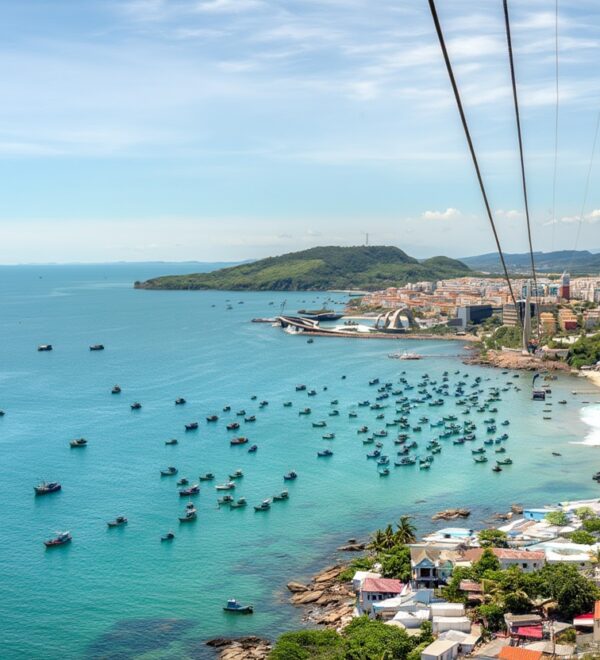
Fish sauce (nước mắm Phú Quốc) — produced here since at least the 18th century and still the island’s most distinctive export. Also Kien Giang black pepper, the beaches (especially Sao and Khem in the south), the An Thoi archipelago snorkelling, and the world’s longest cable car (the Sun World Hon Thom cable car at 7.9km). Among travelers: increasingly known for rapid resort overdevelopment, which is both the criticism most heard in Reddit travel communities and the reason the island’s infrastructure has improved so dramatically from the backpacker destination it was in the early 2000s.
FAQ
Is Phu Quoc worth visiting?
Yes for beach relaxation and seafood — it’s Vietnam’s best beach destination for mid-range travelers. No if you’re expecting world-class diving (overrated) or unique Vietnamese culture (the island has been resort-developed rapidly). Best for: 4–7 night beach holiday, honeymooners, families who want calm water. Less good for: budget backpackers, cultural travelers.
When is the best time to visit Phu Quoc?
November to April is high season — clear skies, calm water, good visibility for snorkeling. December and January are peak (expensive, crowds). The best value windows are November and early December, or March–April before the monsoon. May–October is rainy season — prices drop significantly but heavy rain and choppy seas limit beach time.
How many days do you need in Phu Quoc?
Four to five nights minimum for a proper beach holiday: time to explore the island by motorbike, visit Sao Beach, the night market, do a snorkeling trip, and relax. Three nights feels rushed. Day trips from Saigon are not worth the flight cost — spend the money on an extra night instead.
What is Phu Quoc known for?
Beaches (Long Beach and Sao Beach), fish sauce production (Phu Quoc nuoc mam is Vietnam’s most famous), black pepper cultivation, the night market seafood scene, and proximity to the An Thoi island archipelago for snorkeling. Also: the largest cable car in the world (3S Phu Quoc to An Thoi Island) if that’s your thing.
Is Phu Quoc expensive?
More expensive than mainland Vietnam, but less than Bali or Thailand’s tourist islands. Budget travelers can manage $40–60/day with a guesthouse, motorbike rental, and market meals. Mid-range: $80–120/day. Resort stays push $150–300/night. The night market gives you excellent value seafood — this is where to eat, not the resort restaurants.