Last updated: June 2026 — current dive site conditions and prices verified
The first dive I did in Vietnam was at Hon Mun, on the marine protected area southeast of Nha Trang city. My dive buddy was a Scottish software engineer who’d been coming to Nha Trang annually for five years specifically for this. He handed me a briefing card before we went under: depth limit 20m, stay with the group, don’t touch anything. Standard.
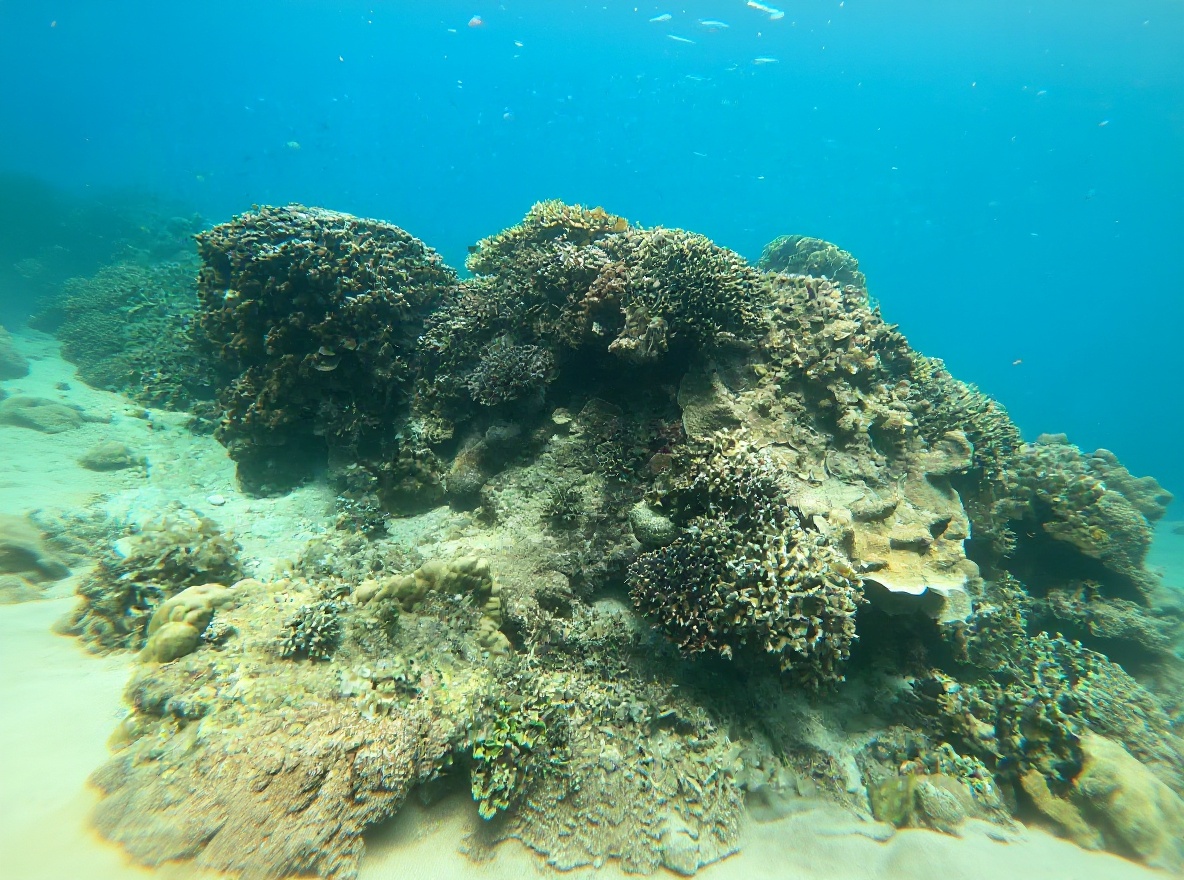
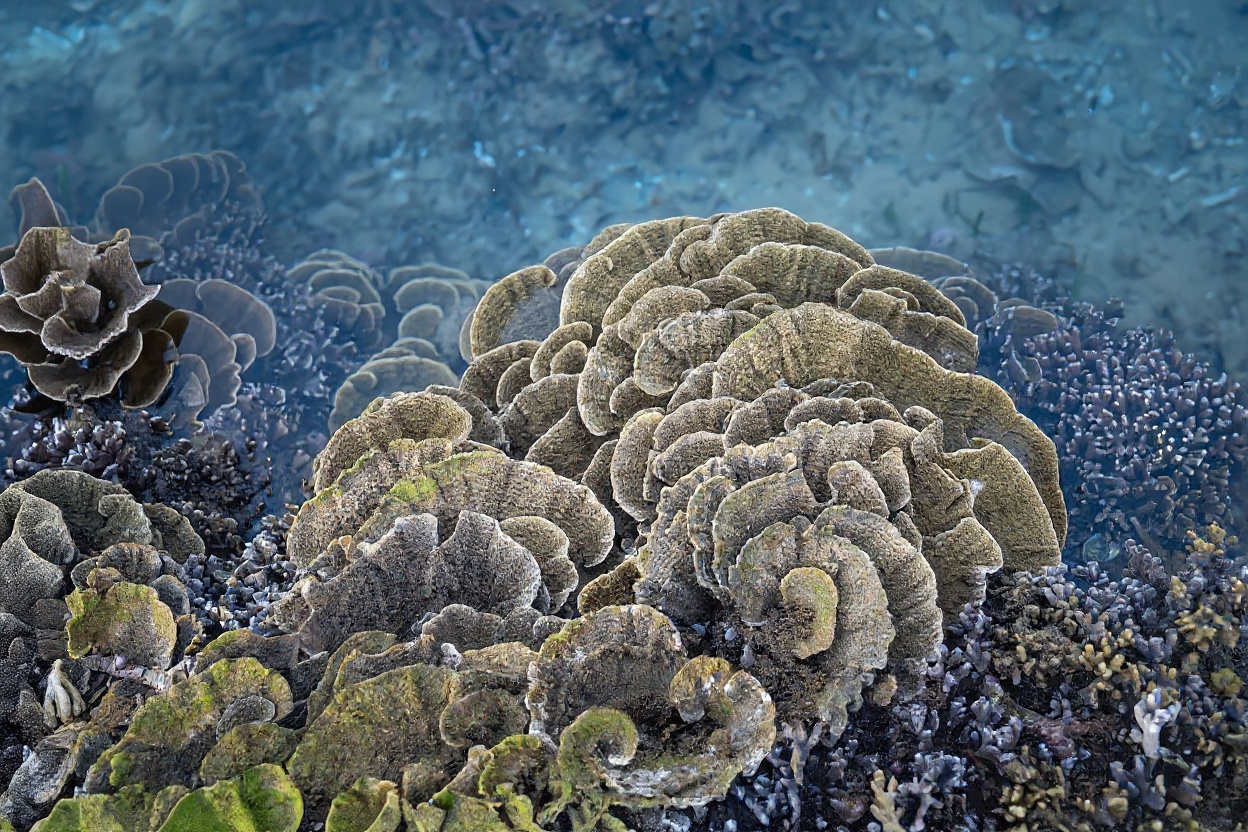
What I wasn’t prepared for was the coral density at 12 meters — table corals the size of kitchen tables, staghorn formations packed together in a ridge that went maybe 100 meters both directions before the visibility haze. A turtle (Chelonia mydas, green sea turtle) came through the middle of the group at about 10 meters. It didn’t accelerate. It didn’t care. A school of yellowfin surgeonfish parted around us like we were a rock.
Nha Trang gets written off by experienced divers who’ve been to the Coral Triangle and found Vietnamese reefs disappointing by comparison. They’re not wrong. But for someone coming from European or North American diving, the diversity of life around Hon Mun Marine Protected Area — and the water temperature (28°C — no wetsuit required) — is a genuine step up. Vietnam diving is good. It just needs to be understood on its own terms.
Vietnam Diving: Honest Expectations
The comparison that calibrates expectations fastest: if you’ve dived in Thailand (Similan, Koh Tao, Richelieu Rock), the Philippines (Tubbataha, Apo Island), or Indonesia (Komodo, Raja Ampat), Vietnamese diving will feel like a step down in reef health and fish biomass.
If you haven’t dived in those places — if you’re an Open Water diver who learned in the North Sea, or a resort diver with occasional tropical experience — Vietnam will seem excellent. The price difference is real: a two-dive day in Vietnam costs $80–100 versus $120–180+ for comparable experience in the Maldives or a liveaboard in Indonesia.
✓Quick Answer
Vietnam is a solid mid-tier dive destination: better than most of Southeast Asia’s budget options, not as good as the Philippines or Indonesian reefs at their best. The best diving in Vietnam is at Con Dao (limited access) and Whale Island (seasonal). Nha Trang is the most convenient and has good beginner and intermediate diving. Visibility ranges from 5-15m in Nha Trang to 20-25m in Phu Quoc’s dry season.
The real advantages of diving in Vietnam: price (genuinely among the cheapest in Asia for certified recreational diving), accessibility (Nha Trang has dozens of PADI-certified operators and multiple dive sites within easy boat range), water temperature (27–29°C year-round at most sites — no thermal protection needed), and variety of marine life for macro photographers (nudibranchs, seahorses, frogfish, mantis shrimp).
The real disadvantages: much of the reef that was once pristine around Nha Trang has been degraded by the area’s massive tourism development since 2010. Visibility in the Nha Trang bay area can drop to 3–5 meters in monsoon season. The An Thoi Archipelago around Phu Quoc is better preserved — and the seasonal visibility genuinely reaches 25 meters — but the dive window is shorter.
Nha Trang Diving: The Main Event
Nha Trang is Vietnam’s dive capital by volume — most divers, most operators, most established infrastructure. The dive zone centers on Hon Mun Island, 10km southeast of Nha Trang city, which sits inside Vietnam’s first and largest marine protected area.
The main dive sites around Hon Mun: Madonna Rock (dramatic pinnacle dive, good for intermediate and experienced divers), Moray Beach (sheltered bay with sandy slopes, excellent for beginners and macro photography), and Hon Mun itself (wall diving on the south face, best visibility on this side). Water depth ranges from 5 meters on the shallow training sites to 30+ meters on the wall sections. The protected status means fish populations are noticeably denser here than in unprotected zones nearby.
Whale Island (Hon Ong), 45km north of Nha Trang in Vân Phong Bay, is consistently rated Vietnam’s quietest and most pristine dive spot. The bay has limited tourist access, the coral is in better condition than anything close to Nha Trang city, and visibility reaches 25 meters in the right season (roughly March to September). The catch: you have to stay on Whale Island Resort, which is the island’s only accommodation, and the resort + diving package is significantly more expensive than standard Nha Trang day trips. For dedicated divers with budget flexibility, it’s the best Nha Trang-area diving experience.
Best season for Nha Trang diving: February to October. November brings the northeast monsoon, which churns up the Nha Trang bay area and reduces visibility significantly. Some operators run trips year-round but conditions from November to January are notably worse than the rest of the year.
Phu Quoc Diving: Clear Water, Shorter Window
Phu Quoc Island’s dive sites are in the An Thoi Archipelago, a chain of 15 small islands off the island’s southern coast. The main sites: Hon Thom (Pineapple Island, with shallow reefs and a good diversity of soft corals), Fingernail Island (a few kilometers south, good for intermediate divers), and Turtle Island/Doi Moi Island (named for the green and hawksbill turtles regularly spotted at depth).
The defining advantage of Phu Quoc over Nha Trang: water clarity. In the dry season (November–May), the Andaman Sea conditions around the An Thoi Archipelago produce visibility of 15–25 meters — noticeably cleaner than the bay water around Nha Trang. The trade-off is the season window: from June to October, the southwest monsoon turns the same water murky, reduces visibility to 5–8 meters, and makes diving genuinely unpleasant on rough days. Operators run trips but many experienced divers skip Phu Quoc diving in the wet season.
Most dive centers operate from Phu Quoc’s An Thới harbor or the beach resorts on the south and west coasts. Boat trips to the An Thoi Archipelago take 30–45 minutes. Day packages with two dives, equipment, lunch, and transfer run 900,000–2,500,000 VND (~$35–96) depending on operator and site. The variation in price reflects variation in group size and guide quality more than actual site access.
Con Dao: Vietnam’s Best Diving
Every serious diver who’s been to both Con Dao and Nha Trang says the same thing: Con Dao is in a different category. The Côn Đảo archipelago — 16 small islands 230km from Ho Chi Minh City in the South China Sea — has some of the least disturbed coral reef in Vietnam, partly because it’s hard to get to and partly because it was a prison island until 1975 and tourism development started late.
The marine park covering Con Dao has strict protection — no fishing in protected zones, limited dive operator licenses, regulations on anchoring. The result: more fish than you see at equivalent depth at Nha Trang, healthier coral structure, and occasional encounters with hammerhead and whitetip reef sharks at the outer dive sites. The visibility regularly hits 20+ meters. Water temperature runs 26–29°C.
The catch: getting to Con Dao requires a flight from Ho Chi Minh City (30–40 minutes, 500,000–1,500,000 VND / ~$19–58 depending on booking timing), and accommodation on the island is more expensive than mainland Vietnam — budget options start around 400,000–600,000 VND (~$16–23) but proper dive lodge accommodation runs 1,500,000–3,000,000 VND (~$58–115) per night. A two-dive day package costs $110–130 per person, and the selection of dive operators is limited to a handful of licensed operators rather than the dozens in Nha Trang.
For experienced divers making Vietnam a dive-focused trip: Con Dao is worth the logistics. For casual divers or travelers where diving is one of several activities: the Nha Trang or Phu Quoc day trip is sufficient.
Cham Islands: Diving Near Hoi An
The Cù Lao Chàm Marine Reserve, 18km off the coast of Hội An, offers day-trip diving from one of Vietnam’s most popular tourist cities. The sites around the Cham Islands — particularly the outer reef on the north side of the main island, Hòn Lao — have diverse soft coral growth and good fish variety. Visibility averages 10–15 meters in good conditions.
The Cham Islands are accessible from Hội An and Đà Nẵng by speedboat (around 30 minutes). Most dive trips are day operations that combine snorkeling, diving, and a lunch on the island. Two-dive packages run 2,000,000–3,200,000 VND (~$77–123) per person. Best season: March to September, before the central Vietnam storm season begins.
For travelers following the central Vietnam route (Đà Nẵng → Hội An → Huế), the Cham Islands are a natural add-on — the dive infrastructure is professional, the distance is short, and the experience is good for intermediate divers. Not recommended as a substitute for the Hon Mun or An Thoi sites if you’re specifically chasing Vietnamese reefs at their best.
Vietnam Diving Costs: What to Expect in 2026
PADI Open Water certification in Nha Trang costs $280–400 for the full course across 3–4 days. This is one of the cheaper places in Asia to get certified — the same course in Bali or Koh Tao costs $350–450. If you’re considering getting your Open Water qualification in Asia, Nha Trang is a legitimate option. Course quality varies between operators — look for PADI Five Star centers and verify your potential instructor’s dive log experience rather than just going with the cheapest.
The Argument for Doing One Dive First
Vietnam is sometimes sold as a dive destination by people who haven’t dived anywhere else in Southeast Asia. If you’re planning a Vietnam trip and thinking about making diving a significant part of it — multiple days, multiple locations — do one day dive in Nha Trang before building your whole trip around the diving. You’ll know within 45 minutes of going under whether the reefs match your expectations.
Most experienced divers who’ve been to the Coral Triangle leave Nha Trang slightly underwhelmed. The reef is good, not great. The fish life is decent, not spectacular. The boat operations are professional, the organization is efficient, but the wow factor of, say, a morning dive at Tubbataha Reef in the Philippines — it’s not that. Vietnam diving is best understood as genuinely excellent value-for-money diving with good beginner infrastructure, not as a world-class dive destination.
If you’ve never dived anywhere tropical, or your frame of reference is a one-time dive in the Mediterranean, Vietnam will impress you.
How to Choose a Dive Operator in Vietnam
The quality gap between Vietnamese dive operators is real and wide. At one end: small boats with hire equipment last serviced two seasons ago and guides who lead groups of 12 divers simultaneously. At the other: PADI Five Star centers with serviced regulators, certified divemaster-to-diver ratios of 1:4, and guides who know their home reef well enough to find the specific rock where the frogfish lives.
Practical signals of a competent operator: verifiable PADI or SSI affiliation (the certification organizations list authorized centers on their websites — check before you book). A clear emergency oxygen kit on the boat, not stored under a pile of gear. Divemaster-to-diver ratio disclosed upfront — 1:4 to 1:6 is standard for recreational diving, 1:8+ is a crowded group experience. Briefings that cover the actual dive site with specific depth, current, and navigation information rather than a generic “go down, look at fish, come up.”
Rainbow Divers has been operating in Nha Trang since the 1990s and is consistently recommended as a reference-quality operator — not necessarily the cheapest, but professional and well-staffed. Other reputable names at the time of writing: Sailing Club Divers in Nha Trang, John’s Dive Center in Phu Quoc. Operator quality changes — check current PADI certification and recent traveler reviews before booking, not just a mention in a travel guide written two years ago.
The price floor to be suspicious of: if a two-dive package is significantly cheaper than the ranges listed in this guide (under $60 for a certified diver in Nha Trang), ask specifically what’s included and what the divemaster-to-diver ratio is. Budget operators often cut corners on equipment maintenance and guide attention. A regulator that fails at 15 meters because it wasn’t serviced is not a theoretical risk.
ℹKnow Before You Go
Dive insurance is separate from travel insurance and is worth the cost for multiple-day dive trips. DAN (Divers Alert Network) membership includes emergency medical assistance for diving accidents ($35–50/year). Decompression sickness treatment in Vietnam is limited — the nearest hyperbaric chambers are in Ho Chi Minh City and Hanoi. DAN evacuation coverage gets you to the right treatment facility if something goes wrong.
Snorkeling vs Diving in Vietnam: Which to Do
If you’re not a certified diver and don’t want to take a course, snorkeling is the more practical option for most Vietnam beach destinations. The honest comparison:
In Nha Trang: snorkeling is widely available as a separate boat trip (usually 200,000–400,000 VND / ~$8–16 per person for a half-day island-hopping snorkel tour). The shallow reef areas accessible by snorkel are decent — good coral coverage at 2–5 meters around Hon Mun’s shallower sections. You miss the wall diving and deeper fish life, but for a casual water activity the snorkeling tours are fun and cheap. The big boats that run these tours carry 20–40 people, play music, and serve beer — if that sounds like a great day to you, great. If not, book directly with a dive center for a smaller group snorkeling trip.
In Phu Quoc: snorkeling tours to the An Thoi Archipelago follow the same boat routes as dive trips. The shallow areas around Fingernail Island and Pineapple Island have decent snorkeling — visibility in the dry season reaches the surface coral clearly. Prices: 450,000–800,000 VND (~$17–31) per person for a full-day snorkeling tour with three or four stops.
In Con Dao: the snorkeling is as good as the diving in the shallower zones. Some of the best coral gardens in Con Dao are in 2–6 meters of water — perfectly accessible to snorkelers. The marine park’s protection applies above and below water, so fish density in the shallows is noticeably higher than at unprotected beach destinations. If you’re considering whether Con Dao is worth visiting without diving certification — the snorkeling alone justifies the trip for underwater wildlife enthusiasts.
The honest bottom line: if you’ve never dived and are deciding between learning in Vietnam or just snorkeling, the Open Water course in Nha Trang ($280–400) opens access to a completely different depth range of reef that snorkeling can’t reach. If you’re already certified and wondering whether the Vietnamese reefs are worth bringing your gear for — yes, for Con Dao and Phu Quoc in season. For casual holiday diving, Nha Trang day trips are fun and low-effort without being life-changing. For the full picture on visiting each area, our Nha Trang guide and Phu Quoc guide cover what’s worth your time beyond the water.
What Didn’t Work: The Mask Problem
Ha Long Bay cruise, year two. A fellow passenger announced at dinner that they’d been diving that afternoon and it was amazing. I got curious, joined the dive option the next morning. The hire mask didn’t seal — my face shape is apparently between standard sizes. I spent the entire first dive clearing it every 90 seconds. The dive guide was patient and professional. I saw almost nothing useful because I spent the dive focused on the mask. Second dive was marginally better.
The fix is obvious and I ignored it: if you have a dive mask that fits your face, travel with it. The hire equipment at Vietnamese dive operators is generally fine — regulators are serviced, BCDs work — but masks are highly individual and a bad seal ruins any dive. A dive mask is 200,000–400,000 VND (~$8–16) from a sports shop in Hanoi or Ho Chi Minh City, and fits in a daypack. Just bring your own.
Vietnam Diving FAQ
Where is the best diving in Vietnam?
Con Dao is Vietnam’s highest-quality diving — healthier coral, more fish biomass, better visibility (20+ meters), and occasional shark encounters. The trade-off is logistics: a flight from HCMC and higher costs than mainland Vietnam. For accessible day-trip diving, Nha Trang (Hon Mun Marine Protected Area) offers the best infrastructure and variety. Phu Quoc has excellent clarity in the dry season (November–May). Whale Island near Nha Trang is the most pristine near-shore site.
When is the best time to dive in Vietnam?
It depends on the location. Nha Trang: February–October (northeast monsoon November–January reduces visibility). Phu Quoc: November–May (southwest monsoon June–October churns the water). Con Dao: January–June is peak season for calm conditions and best visibility. Cham Islands near Hoi An: March–September. There’s no single “best month for Vietnam diving” — the north and south of the country have opposite dry seasons.
How much does diving in Vietnam cost?
A two-dive day package including equipment, boat transfer, guide, and usually lunch costs $80–95 in Nha Trang, $85–100 in Phu Quoc, and $110–130 in Con Dao. Discover Scuba experiences for non-certified divers run $75–90. PADI Open Water certification courses take 3–4 days and cost $280–400 in Nha Trang — one of the cheaper places in Asia to get certified.
Is Vietnam a good place to learn to dive?
Yes — Nha Trang specifically is one of Asia’s more affordable and accessible places to do your PADI Open Water course ($280–400, 3–4 days). The diving infrastructure is well-developed, multiple PADI Five Star centers operate there, and the warm, calm waters around Hon Mun are beginner-friendly. The reefs are not world-class, but as a learning environment it’s practical and good value. Book with an established operator and verify instructor credentials before committing.
Do I need a wetsuit for diving in Vietnam?
Generally no — water temperatures range from 26–29°C at most dive sites year-round. A 3mm shorty wetsuit is adequate if you’re sensitive to cold or planning multiple dives in one day. Most operators have hire wetsuits. What you should bring if you have one: your own mask. Hire masks fit inconsistently and a bad mask seal ruins a dive. Everything else — BCD, regulator, fins — can reasonably be hired.