Last updated: June 2026 — verified against current Vietnam water safety guidance
Staying healthy in Vietnam is mostly about a few common-sense rules — our Vietnam health guide covers vaccinations, pharmacies, and what to do if you do get sick.
My second week in Hanoi, 2021. I’d been buying water from the hotel mini-fridge: 30,000 VND (~$1.20) per 500ml bottle. Drinking two a day. Spending 420,000 VND (~$17) a week on water.
My neighbor in the guesthouse — a Polish guy named Maciej who’d been in Vietnam for three months — watched me pull a hotel bottle out of the fridge and very calmly asked what I was paying for it.
“30,000,” I said.
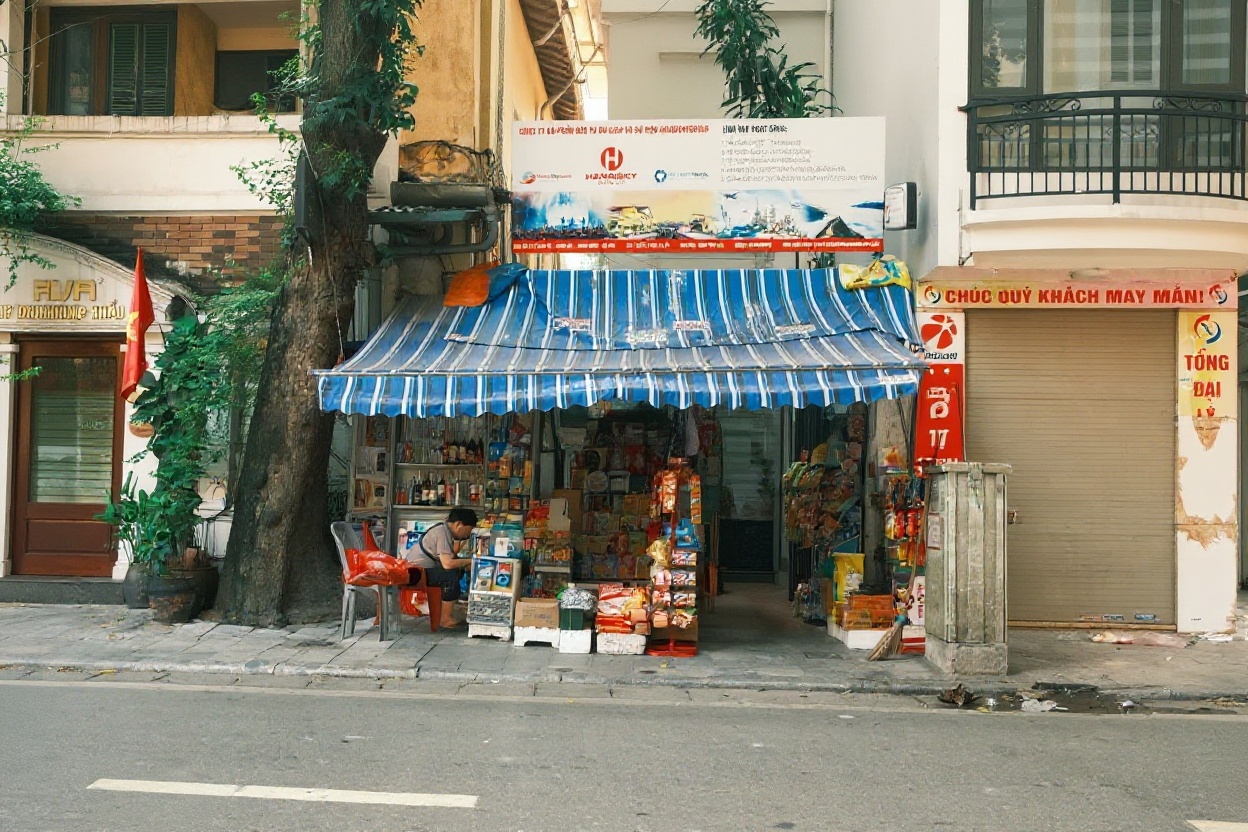
He walked me to the corner shop on Hàng Bè. The same 500ml Aquafina: 5,000 VND (~$0.20). The same brand. The same water.
I had been paying a 500% markup on water for two weeks because I didn’t know where to look. Don’t be me.
Can You Drink Tap Water in Vietnam?
No. Not directly, not without treatment.
This is the universal consensus across water safety organizations, travel medicine guidelines, and Vietnamese health authorities. Tap water in Vietnam goes through municipal treatment, but the treatment quality varies significantly between cities, the pipe infrastructure is aging in many areas, and contamination can occur between treatment and the tap.
✓Quick Answer
Do not drink tap water in Vietnam. This applies in Hanoi, Ho Chi Minh City, and all rural areas. Use bottled water, filtered water, or boiled water. The risk isn’t that every sip will make you sick — it’s that the risk is non-trivial and the cost of bottled water is minimal.
The nuanced reality: some long-term expats in Hanoi and HCMC drink tap water without apparent issues. The treatment in major cities is generally better than rural areas. One TripAdvisor forum veteran put it bluntly: “the official line is that it is potable in the big cities, and I often drink it unboiled and unfiltered, and never had the slightest problem.”
That’s a real account from a real person. It’s also a calculated risk that you, as a visitor with no established gut flora for Vietnamese water, are more exposed to than someone who’s lived there for years. Your body adjusts over time. In week one, it hasn’t.
The short version: the bottled water costs almost nothing. The risk from tap water — stomach illness that derails a $3,000 trip — isn’t worth it.
Why Tap Water Is Unsafe in Vietnam
Vietnam’s water treatment has improved substantially over the past twenty years. In major cities, the water coming out of the treatment plant is technically safe. The problem is what happens after.
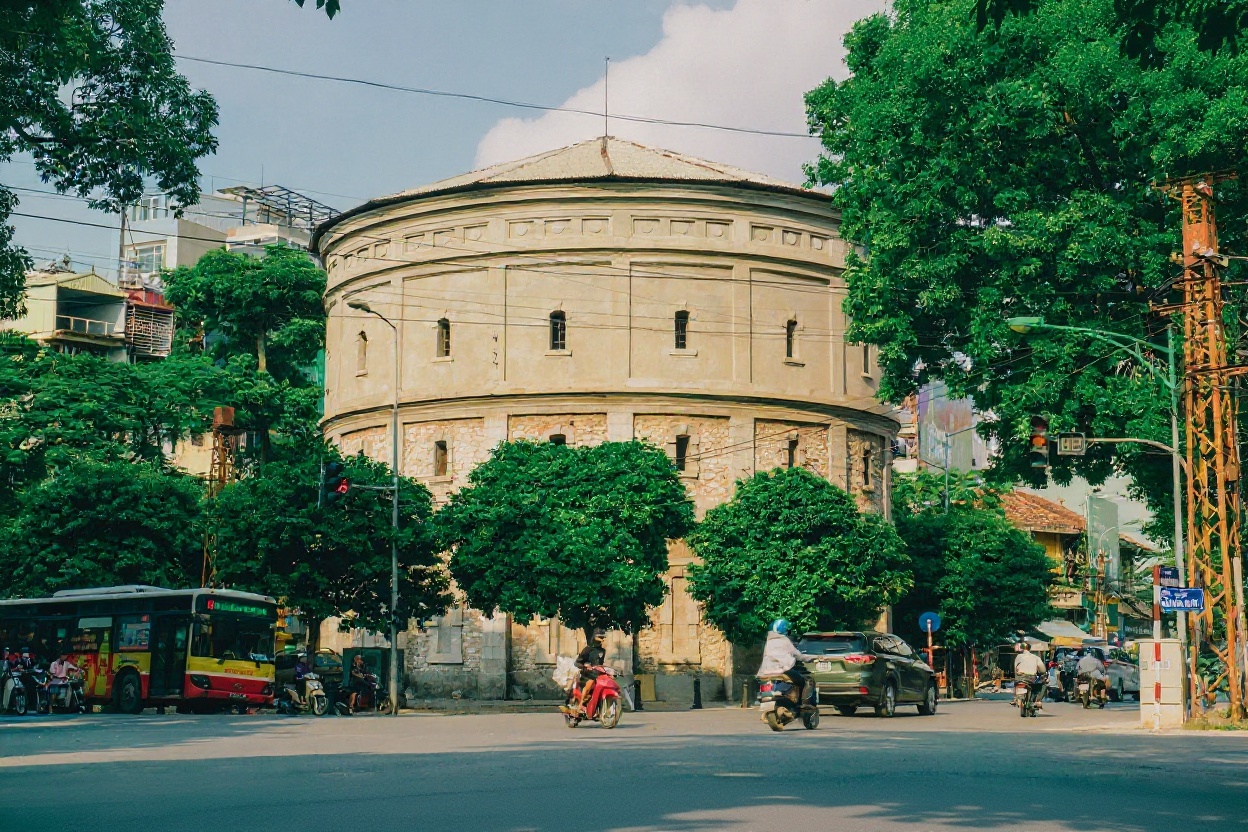
Aging pipe infrastructure — particularly in Hanoi’s Old Quarter and parts of HCMC — can introduce contamination between the treatment plant and the tap. Pipes built 40–60 years ago, repaired piecemeal over decades, with varying materials including some that are no longer considered food-safe.
Private building plumbing compounds the issue. Water is sometimes stored in rooftop tanks before reaching taps — tanks that may not be cleaned regularly, may have algae or sediment buildup, or may be contaminated by birds or insects.
In rural areas, the situation is more straightforward: water often comes from wells, streams, or local distribution networks with no treatment at all. Do not drink rural well water without boiling or filtering.
Heavy metals are an additional concern in industrial areas near factories. The Mekong Delta in particular has documented groundwater contamination from agricultural runoff and industrial sources.
⚠Real Talk
Vietnamese locals do not typically drink unboiled tap water either. The standard practice is to boil water for drinking, or use filtered water from reverse osmosis (RO) dispensers that are common in offices, restaurants, and homes. When a Vietnamese person offers you water at their home, it’s almost certainly boiled or filtered — not raw from the tap.
Bottled Water in Vietnam: Costs and Brands
Bottled water in Vietnam is cheap, everywhere, and easy. This is the baseline solution for almost every traveler.
Main brands: Aquafina (PepsiCo, widely trusted), Lavie (Nestlé), Thach Bich (Vietnamese, widely available), Evian (premium, expensive). Any sealed factory-branded bottle from a supermarket or convenience store is fine. Avoid unmarked bottles or bottles that look refilled — check the seal.
↗Insider Tip
Buy water in the 1.5L size from corner shops (hàng tạp hóa — look for the plastic chair and mixed goods stalls) rather than 500ml from convenience chains. It costs the same as a 500ml from Circle K but lasts twice as long. One 1.5L bottle per person per day is usually enough if you’re doing low-exertion tourist activities — double that for trekking days.
Ice in Vietnam: Safe or Not?
This is the question that paralyzes more travelers than it should.
The practical answer: ice at sit-down restaurants, cafés, and any establishment that orders commercial ice is fine. Commercial ice in Vietnam is made from treated filtered water, manufactured under hygiene standards, and delivered in sealed bags. It’s what your bia hơi (fresh beer) is cooled with. It’s what your coconut smoothie is blended with. You’ve almost certainly already had it.
The riskier ice: street vendors using ice blocks that look like they were pulled off the back of a truck. Crushed ice from a cart where you can’t see the source. Ice in situations where it might have been topped up from a tap rather than from the commercial delivery.
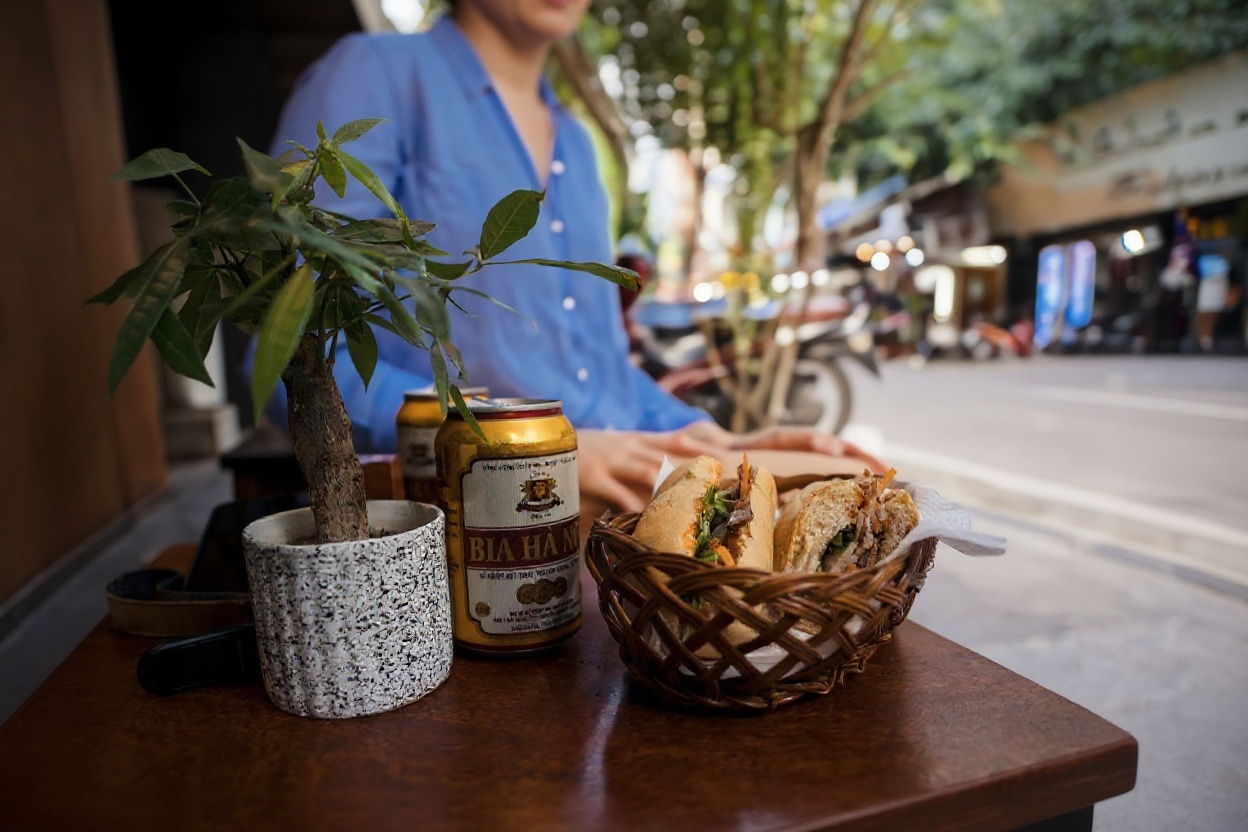
The rule that works: if it’s at a proper restaurant or café with a physical premises, don’t worry about the ice. If it’s from a mobile cart at a night market with no refrigeration infrastructure in sight, use your judgment. The risk isn’t zero but it’s also not what takes most travelers down in Vietnam — that’s usually the street food, the tap water itself, or not washing hands enough.
Filter Water Bottles: The Eco-Friendly Alternative
If you’re spending more than two weeks in Vietnam, the environmental math on bottled water gets uncomfortable. A person drinking 1.5L/day for three weeks generates 21 empty plastic bottles minimum. In a country with an already-strained plastic waste infrastructure, that adds up quickly.
Filter water bottles that work with tap water are the practical alternative. They filter bacteria, protozoa, and many contaminants while filling from any tap source. The cost is high upfront but zero per liter after.
LifeStraw Go — best all-rounder. Filters bacteria and parasites, includes a carbon filter for taste. ~$45 USD, filters 4,000 liters. One bottle for a long trip.
Sawyer Squeeze — lighter and compatible with any standard water bottle. Popular with trekkers. ~$35 USD.
Grayl GeoPress — press-to-filter design, faster fill rate, also filters viruses. Most comprehensive filtration. ~$95 USD. Worth it for Ha Giang and Phong Nha where water sources are less predictable.
In Vietnam specifically, filter bottles work best when the source water is clear (not heavily colored or silty). Filling from tap water in Hanoi guesthouses and Hội An hotels is generally fine for filter bottles. Filling from the brown muddy water in a rural homestay in Ha Giang is where you’d want a more robust filter or a LifeStraw combined with water purification tablets.
Brushing Teeth: Tap or Bottled?
Technically, the advice is to use bottled water for teeth brushing too. Small amounts of contaminated water can still cause GI issues.
Practically: most travelers who’ve been to Vietnam more than once brush their teeth with tap water and are fine. The exposure from rinsing and spitting is much lower than from drinking. The risk is low but not zero.
My personal practice after five years: I use tap water for brushing in major cities (Hanoi, HCMC, Đà Nẵng, Hội An). I use bottled water for brushing in rural guesthouses, especially in Ha Giang, remote Phong Nha, and anywhere the tap water looks or smells off. The “strange smell” test is real — chlorine or mineral smell is normal, but anything organic or sewage-adjacent means bottled water only.
Water Refill Stations at Guesthouses
Many guesthouses and hostels in Vietnam — particularly the mid-range and backpacker-oriented properties in Hanoi, Hội An, and Đà Lạt — have water refill stations. These use reverse osmosis (RO) or UV filtration systems and are safe for drinking.
You fill your own bottle. Cost is minimal: 3,000–5,000 VND per refill, often honor-system. Some places offer free refills as part of the room rate. Ask at check-in whether there’s a refill station — most guesthouses that have one are proud of it and list it as an amenity.
Refill stations have become more common over the past three years as Vietnam’s environmental awareness has grown and travelers started asking for alternatives to single-use plastic. If your accommodation has one, use it. The water quality is consistently better than average tap water and cheaper than corner shop bottles.
→Who It’s For
Bring a filter water bottle if: you’re traveling for more than three weeks, you’re doing rural trekking or homestays in Ha Giang / Phong Nha / northwest Vietnam, or you care about plastic waste impact. Skip the filter bottle if: you’re on a short trip, staying at hotels with refill stations, or just want the simplest solution.
Cooking and Food Safety: The Water Connection
The drinking water question connects to food safety in ways travelers sometimes miss. Contaminated water isn’t just a direct drinking risk — it’s also how raw vegetables get contaminated (washed with tap water), how shellfish accumulate bacteria (grown in contaminated water), and how ice causes illness (made from unfiltered water in some contexts).
For most travel food situations in Vietnam, this isn’t a practical concern: restaurants that serve tourists are generally using commercial ice and washing produce with treated water. The risk level is higher at food prepared in rural homestays with no running water infrastructure.
The general travel food safety principle in Vietnam: cook it, boil it, peel it, or forget it. Street food is generally safe because it’s cooked to order at high heat. Raw salads in tourist restaurants have a decent track record because most tourist-facing establishments understand the liability. The gray area is raw shellfish and raw vegetable dishes at non-tourist establishments — not because they’re unethical, but because their water source may be different from what you’re adapted to.
For a broader overview of what to eat, what to approach with caution, and the reality of Vietnam street food safety, our Vietnam food guide covers this in detail — including which dishes are cooked at high heat (low risk) and which are traditionally raw or lightly treated (higher caution).
Dehydration in Vietnam: The Underestimated Risk
Vietnam is hot. Not European summer hot — genuinely tropical hot, with humidity that makes 34°C feel like moving through warm soup.
Travelers who are diligent about food safety sometimes forget to compensate for the higher fluid loss from heat and humidity. The result is low-grade dehydration that looks exactly like jetlag, looks exactly like mild food poisoning, and looks exactly like the “Vietnam tiredness” that hits around day three of a backpacker itinerary.
The symptoms: persistent headache that ibuprofen doesn’t fully fix, feeling foggy and slow in the afternoon, muscle weakness on walking days, darker urine than usual. All of these can be fixed by drinking more water.
A practical baseline for Vietnam: 2–3 liters of water per day during moderate activity in city tourism. 3–4 liters per day on trekking days (Ha Giang loop, Sapa trekking, Phong Nha cave tours). More if you’ve been drinking alcohol — bia hơi is very cheap in Vietnam and very dehydrating at Vietnamese volumes.
ℹKnow Before You Go
Electrolyte packets are useful in Vietnam, especially for long hot days or if you’ve had any stomach issues. Oresol is the Vietnamese rehydration salt — available at every pharmacy for around 5,000 VND per packet. Dissolve in 200ml of bottled water. Better than sports drinks for actual rehydration.
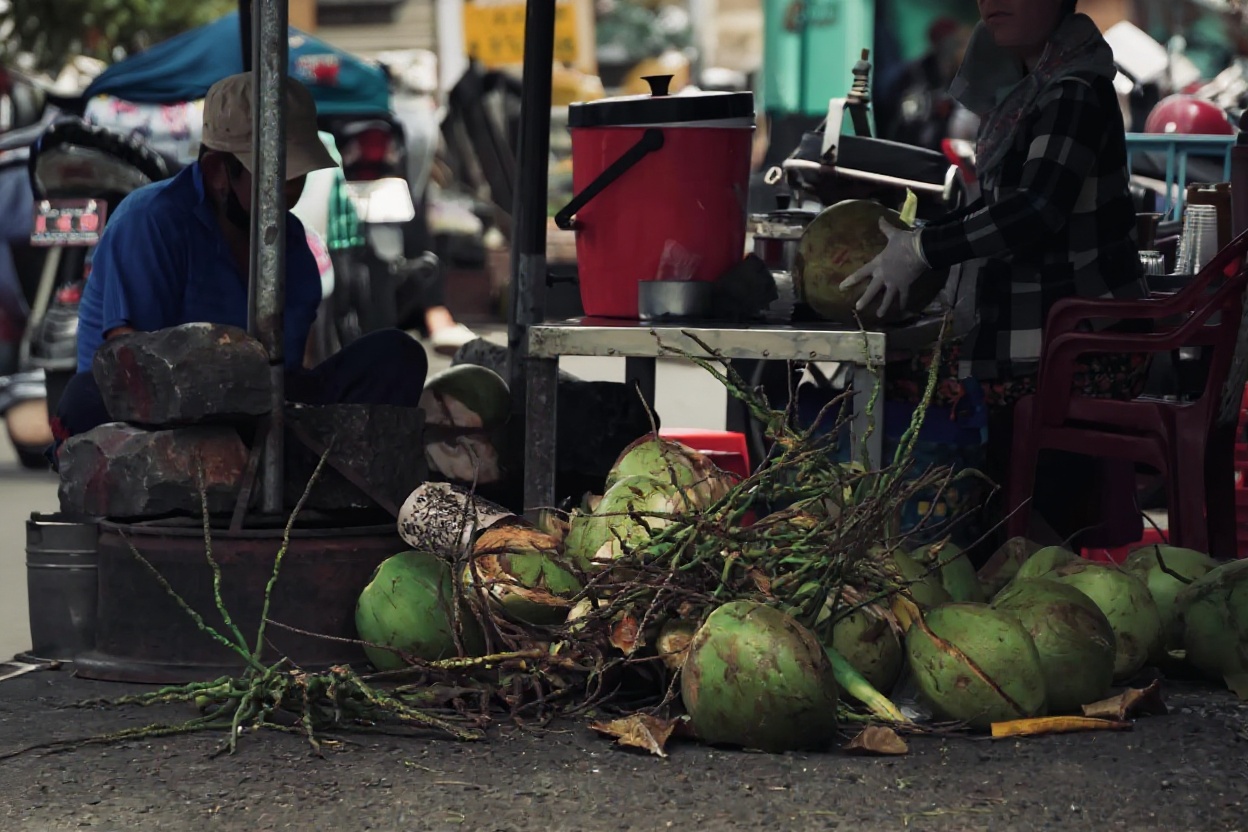
The coconut water (nước dừa, say: nwuk zua) sold everywhere in Vietnam — cracked fresh in front of you, straw inserted — is a legitimate electrolyte drink and costs 15,000–25,000 VND (~$0.60–1) from street vendors. Not a substitute for water, but a useful supplement on hot days. Probably the single best value hydration in Vietnam after plain bottled water.
Water Quality by Region: What to Know
Vietnam’s water infrastructure is not uniform across the country. Where you are significantly affects how cautious you need to be.
Hanoi and Ho Chi Minh City (major cities): Municipal treatment is relatively developed. The water coming out of the treatment plant meets basic safety standards. The variable is the local infrastructure — Old Quarter pipes in Hanoi are old, HCMC’s sprawling suburbs have inconsistent pipe maintenance. Use bottled or filtered water as the default, but the risk from a mouthful accidentally swallowed during teeth brushing is low.
Hội An, Đà Nẵng, Huế: Reasonable infrastructure in tourist areas. Water quality varies more than in the major cities. Guesthouses in Hội An’s Ancient Town area often have RO systems specifically because the historical infrastructure can’t be guaranteed. Ask at check-in.
Dalat: Higher elevation, cooler, different water source. Generally considered to have better natural water quality than the lowlands. Still use bottled water for drinking.
Mekong Delta: The water situation here is more complex. Agricultural chemical runoff, industrial contamination, and the sediment-heavy Mekong River system mean groundwater quality is more variable. Bottled water is non-negotiable here. Do not trust local well water without treatment.
Ha Giang and Northwest Vietnam: Rural homestays often source water from streams, collected rain, or local springs. Beautiful and often perfectly clear — that doesn’t mean safe. Use a filter bottle with your own bottle, purification tablets, or boil. This is where a Grayl GeoPress or Sawyer Squeeze earns its price immediately.
Phong Nha: Cave region, limestone geology. The water that seeps through limestone can be surprisingly mineral-rich but also carries potential bacterial contamination from agricultural areas above. Bottled water from the village shops around Son Trach is fine and cheap.
Coastal areas (Nha Trang, Phú Quốc, Mũi Né): Beach towns have generally reasonable infrastructure in tourist areas. The further you get from the main tourist strip — into local neighborhoods or beach bungalows away from the usual tourist areas — the more you want to default to bottled water rather than assume tap quality.
What Happens If You Get a Stomach Bug
It happens to most travelers in Vietnam at some point. The cause is more likely to be street food preparation, unwashed hands, or a bad batch of shellfish than the drinking water — but water is a contributing factor.
The standard sequence: nausea, loose stomach, fatigue. For most cases, 24–48 hours of rest, hydration (Oresol rehydration salts dissolved in bottled water), and light bland food gets you through it. Cơm trắng (plain white rice, say: gum trang) and cháo (congee/rice porridge, say: chow) are the traditional recovery foods — available everywhere, easy on the stomach.
Pharmacies (nhà thuốc, say: nyah took) are on every second block in Vietnamese cities. They’re staffed by pharmacists who speak enough English to help travelers and stock rehydration salts, basic antibiotics (available over the counter here, though use judiciously), and anti-diarrheal medications. Budget 50,000–150,000 VND (~$2–6) for a pharmacy run covering the basics.
Seek a doctor if: symptoms persist more than 48–72 hours, you have significant fever (over 39°C), blood in stool, or severe cramping. International-standard clinics in Hanoi (Family Medical Practice, Hà Nội), HCMC (FV Hospital), and Hội An (Hội An Doctor) cater to travelers and expats. Travel insurance covers these visits in most policies — see our Vietnam travel insurance guide for what to verify before you leave home.
Drinking Water in Vietnam: Frequently Asked Questions
Is tap water safe to drink in Vietnam?
No — not directly. Tap water in Vietnam is treated but not consistently safe to drink without further filtration or boiling. This applies in cities and rural areas. The infrastructure between the treatment plant and the tap is aging and can introduce contamination. Bottled water, filtered water from guesthouse refill stations, or boiled water are the safe alternatives.
Can you drink tap water in Vietnam if you boil it?
Yes — boiling kills bacteria and parasites. This is what most Vietnamese households do. Bring water to a rolling boil for at least one minute (three minutes at altitude above 2,000m). Boiling does not remove heavy metals or chemical contaminants, so if you’re in an area with industrial water concerns, filter first then boil.
How much does bottled water cost in Vietnam?
5,000–10,000 VND (~$0.20–0.40) per 500ml at corner shops and convenience stores. 1.5L bottles cost 10,000–18,000 VND (~$0.50–0.70). Hotel mini-fridges charge 20,000–35,000 VND for the same bottle — always buy from a street shop or supermarket instead. One person’s daily water budget at corner shop prices is under 20,000 VND (~$0.80).
Is ice safe to drink in Vietnam?
Commercial ice used at sit-down restaurants and cafés is generally safe — it’s manufactured from treated water under food safety standards. The riskier scenario is ice from mobile street vendors or anywhere you can’t verify the source. In practice, most travelers drink commercial ice in Vietnam without problems. Be more cautious at rural food stalls or night market vendors.
Should I use a filter water bottle in Vietnam?
Yes if you’re staying more than two weeks or doing rural trekking — it reduces plastic waste significantly and works out cheaper per liter than bottled water after the first week. LifeStraw Go, Sawyer Squeeze, and Grayl GeoPress are the main options. For city-only travel on a short trip, bottled water is simpler and the cost difference is small.