Last updated: May 2026 — prices and logistics verified May 2026.
Five years in Vietnam and Nha Trang still gives me mixed feelings.
That’s not a bad thing. It’s an honest one.
Both groups are right. They just visited different versions of the same city.
Nha Trang, Vietnam is a beach resort city on the south-central coast — 6km of white sand, a clutch of islands worth exploring, and a food scene built around seafood so fresh it’s almost offensive. It’s also the most tourism-saturated city on the Vietnamese coast. You have to know which version you’re walking into.
This guide is the version I wish existed before I first showed up with a roller bag and zero plan.
What Nobody Tells You About Nha Trang
I’ll give you the real talk upfront so it doesn’t blindside you at the airport.
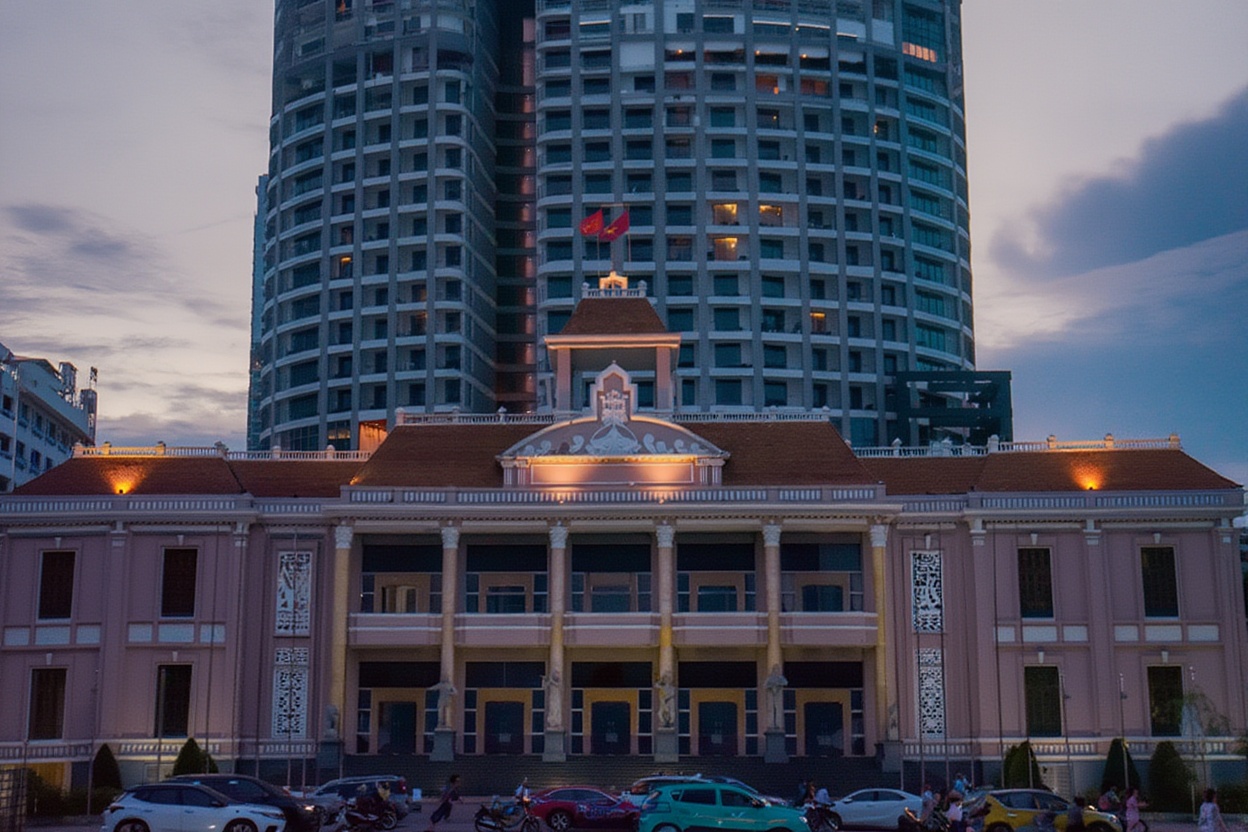
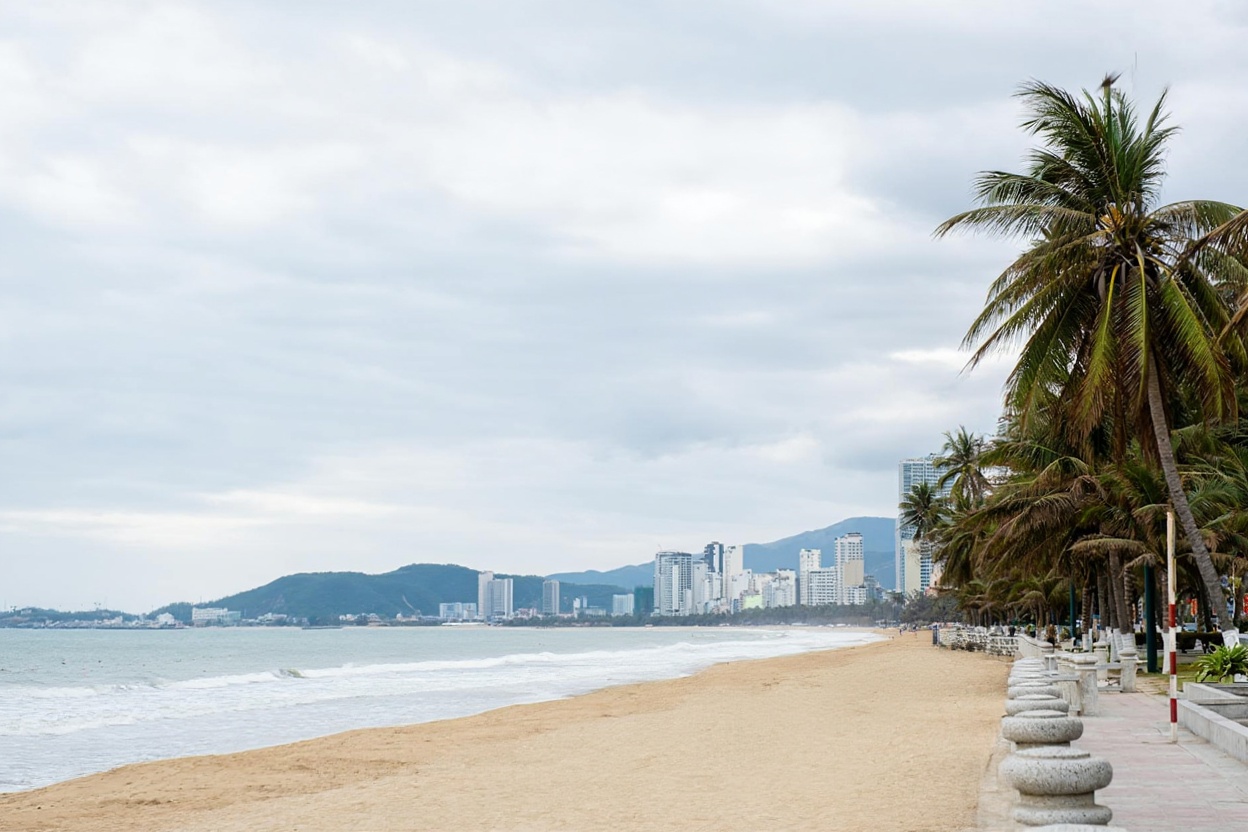
Nha Trang was Vietnam’s first beach resort city — and it shows. The main drag, Trần Phú boulevard, is lined with international hotel chains, Russian tour operators, and restaurants with six-language menus. If you came for “authentic Vietnam,” this strip is not it.
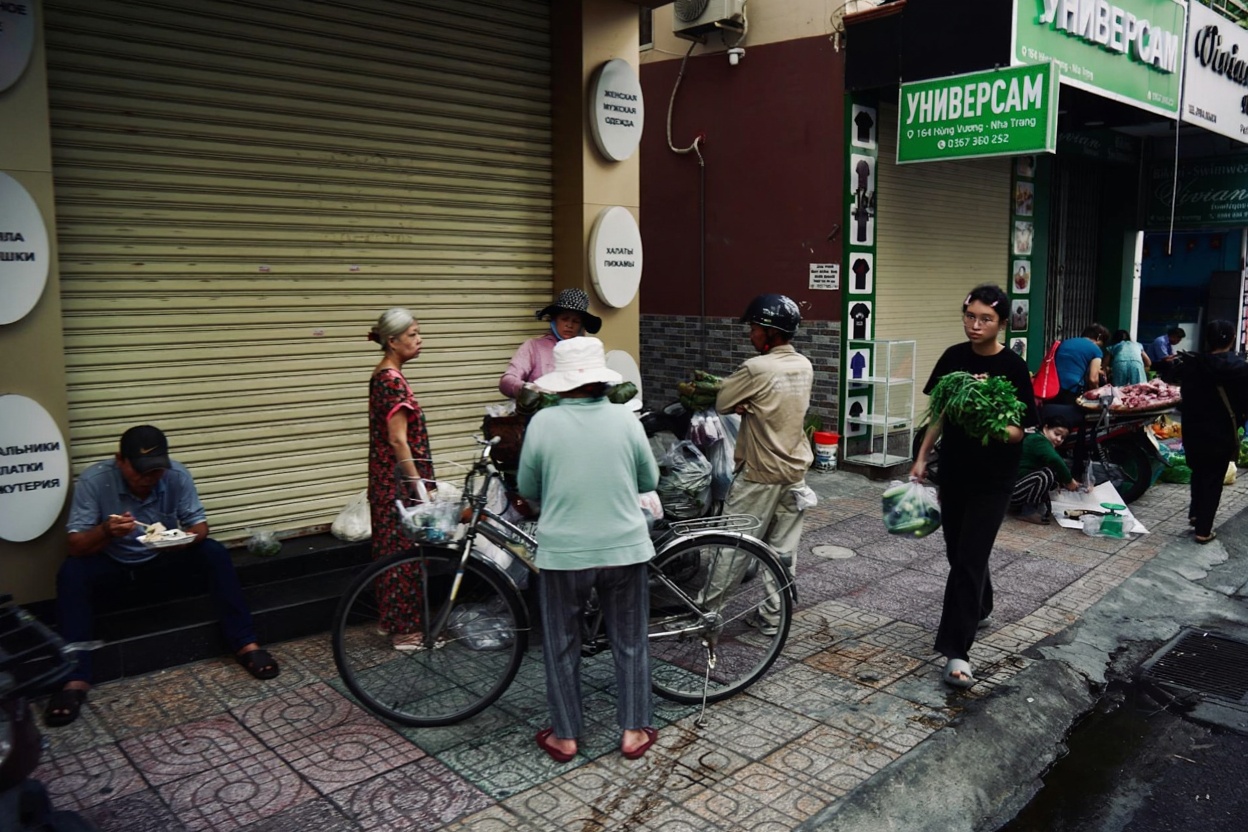
The Russian presence is significant. Cyrillic signage, Russian-language menus, Russian package tour groups. This isn’t a problem — it’s just a fact of life in Nha Trang that no other Vietnamese city has, and some travelers find it jarring when they expected something more, well, Vietnamese.
⚠Real Talk
Nha Trang’s main beach strip has been a package tour destination since the 2000s. That’s not going away. But two blocks off Trần Phú, the city is genuinely interesting — local markets, excellent street food, and a Cham history that most visitors completely ignore. Don’t let the resort strip define your entire trip.
The other thing: the sea. Between October and December, rough swells cancel most island tours and turn the water brown. The “best beach in Vietnam” is genuinely unpleasant during those months.
Go between January and August. The rest is noise.
And a note on bookings: Nha Trang has a documented fake reviews problem on every platform — Booking.com, Agoda, even Airbnb. I learned this the hard way on my first visit. The property I booked had 4.3 stars and glowing recent reviews; the hallway smelled like mildew and the “sea view” was a construction crane. Before booking anywhere in this city, search the hotel name on Google Maps and look at user-uploaded photos — not the professional shots. The gap between the two is where the truth lives.
Nha Trang Beach — The Honest Picture
The beach itself is genuinely good. Six kilometres of soft sand, calm water for most of the year, and free public access the entire length.
What nobody mentions: arrive before 8am or after 5pm.
Between 9am and 4pm in high season, the public beach is a corridor of rental sun loungers (50,000–80,000 VND/~$2–$3), a rotating parade of vendors, and the kind of midday heat that will ruin your afternoon if you’re not prepared. The beach isn’t bad. That version of the beach is bad.
Early morning is something else entirely. The water is flat and pale green before the speedboats wake it up. Old women do tai chi in the wet sand. The promenade has a quiet energy that disappears by 9.
The section near Lê Hồng Phong street — away from the main hotel cluster — tends to be quieter during the day. Worth the extra five-minute walk.
↗Insider Tip
The beach north of the main tourist strip, near Hon Chong promontory (12.2738° N, 109.2055° E), has rockier sand but far fewer vendors and sun lounger operators. Locals swim here in the early evening. The granite rock formations themselves are worth seeing — ask for Hòn Chồng (say: hone chong), stack of boulders right on the waterfront, free to walk around.
Island Hopping: Hon Mun, Hon Tam, and the Others
This is the reason most people come to Nha Trang, and it earns the hype.
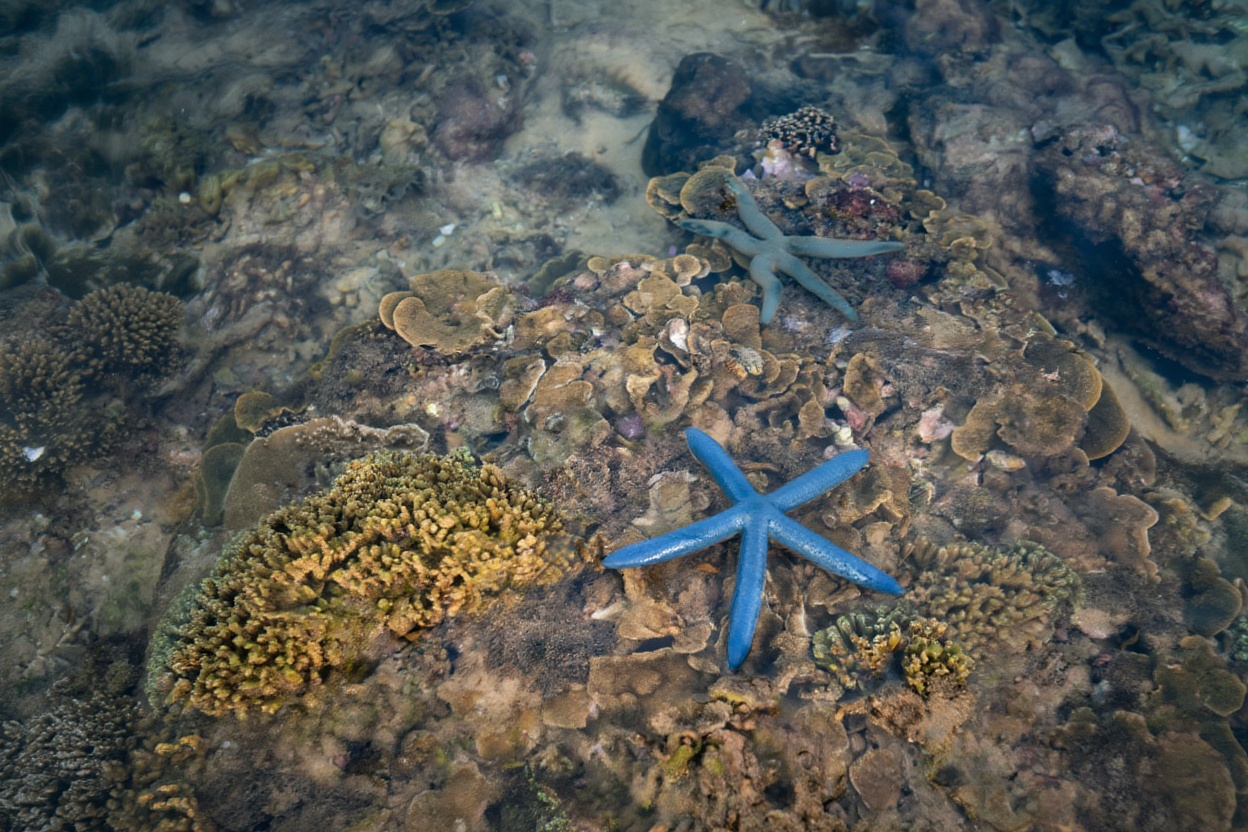
The bay holds around 19 islands. Most group boat tours hit four or five — usually Hon Mun, Hon Tam, Hon Mot, and Hon Mieu. Hon Mun is the highlight: a marine protected area with coral reefs and clear water that runs 15–20 metres visibility on a good day.
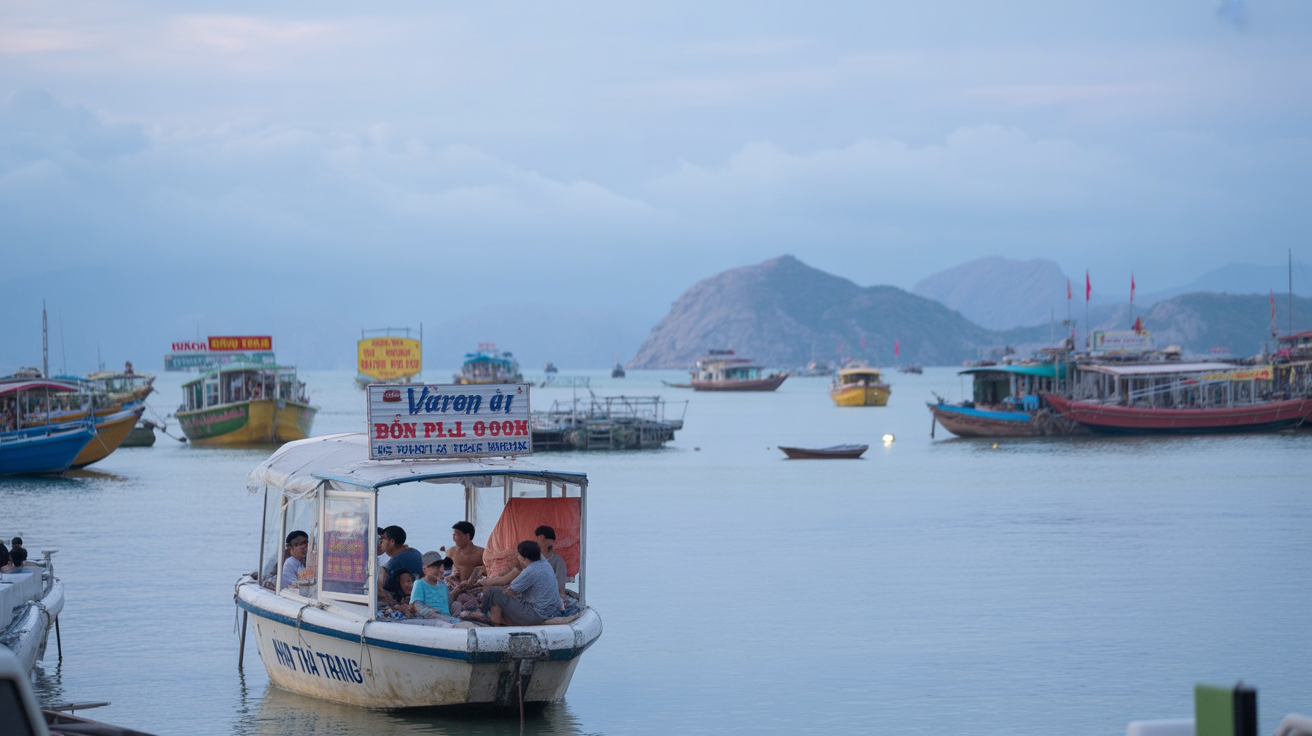
Group tours leave from Cầu Đá pier (12.2161° N, 109.2073° E) from around 8am. Budget 375,000–500,000 VND (~$15–$20) for a full-day group tour including snorkel gear, lunch on the boat, and stops at three or four islands. Private boat tours run $70–$120 for the same route — only worth it if you’re a group of 6+.
The Tiki-style party boats with floating bars and live music are technically island tours too. They’re popular, they’re fun, and they are absolutely not what you want if you’re there for the snorkeling. Pick your tour based on what you actually want out of the day.
One thing worth knowing about Hon Mun specifically: it’s a marine protected area and the coral is in noticeably better shape than the unprotected reefs. The water clarity on a good day between February and July is the kind of thing that makes you stay in longer than you planned. I’ve seen travelers who came for the beach and barely touched the sand after their first island day.
Diving in Nha Trang — Worth It?
The honest answer: it depends on what you’ve dived before.
Nha Trang has good diving infrastructure — multiple reputable dive shops, warm water year-round, easy access to dive sites from the city. The problem is marine life. Decades of overfishing have stripped the reef fauna down significantly. You’ll see coral, you’ll see fish, but you won’t see the kind of reef density you’d find in the Philippines or even Ko Tao.
If this is your first time diving in Southeast Asia, Nha Trang is a fine place to learn. If you’ve dived Tubbataha or the Similans, you’ll notice the difference.
Nha Trang Fun Divers (12.2388° N, 109.1967° E) is consistently recommended — budget around 1,700,000 VND (~$68) for two dives including gear. Avoid October and December; rough seas cancel dives routinely and the visibility tanks.
ℹKnow Before You Go
Nha Trang’s dive sites are shallow (mostly 8–18m). Good for beginners and Open Water courses. If you’re Advanced or higher and primarily interested in macro life or wrecks, ask the dive shop specifically about current conditions before you book — the honest operators will tell you straight.
Po Nagar Cham Towers — The Thing Most People Skip
Every traveler walks past the Cham towers on the way to the pier. Most don’t stop.
That’s a mistake.
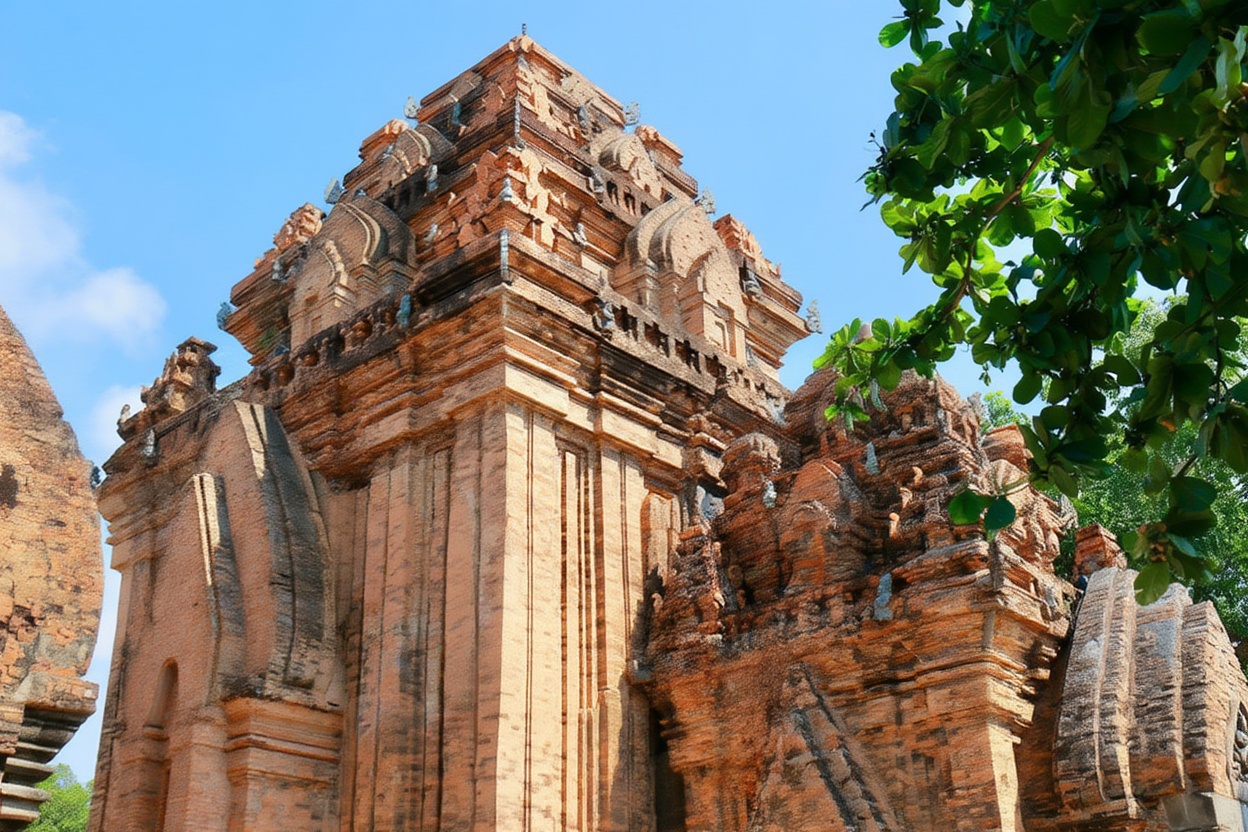
The Po Nagar Cham Towers (12.2719° N, 109.1946° E) date back to the 8th century — built by the Cham people, a Hindu kingdom that ruled much of coastal Vietnam for over a thousand years before Vietnamese expansion pushed them south. Four towers remain standing. The main tower still has an active temple inside where Vietnamese Buddhists and descendants of the Cham community both come to pray.
The smell hits you first: incense thick enough to taste, mixed with the sharp river air from the Cái River below. The stone is dark, worn smooth in places, still marked with Sanskrit inscriptions nobody working at the entrance can read anymore. In the morning, before the tour groups arrive, a few older women sit in the shade of the walls with sticks of incense pressed between their palms. The whole place has a stillness to it that the beach doesn’t.
It takes 45 minutes. Entrance: 25,000–50,000 VND (~$1–$2). Go early morning when the light comes through at a low angle and most tourists are still at breakfast.
→Who It’s For
The Cham towers are for anyone interested in the pre-Vietnamese history of this coast — which is almost nobody on the beach tour circuit, which means you’ll often have them nearly to yourself. If history museums bore you, it’s still worth 20 minutes for the views over the river and the active worship inside.
Mud Baths — Overrated or Underrated?
Nha Trang is famous for its mud baths. There are several in and around the city — Tháp Bà Hot Springs and I-Resort are the two most visited — where you sit in a warm mineral mud pool, then rinse off in a thermal pool, then lie on a pool deck in the sun feeling inexplicably good about life.
The honest take: it’s a genuinely relaxing half-day. The mineral mud does something warm and buoyant that’s hard to describe without sounding like a spa brochure. I went specifically to test whether it was worth recommending and left convinced it was.
The catch: these places get crowded. On weekends and public holidays, the pools are wall-to-wall tourists. Go on a weekday, arrive when they open at 8am, and you’ll have a completely different experience.
Tháp Bà Hot Springs (12.2736° N, 109.1827° E) — entry 350,000–450,000 VND (~$14–$18) depending on which package; private mud tub vs shared pool. Take a Grab from the city (15–20 minutes, around 50,000–70,000 VND). I-Resort is slightly more upscale with cleaner facilities and an on-site restaurant; similar pricing.
→Who It’s For
Couples, anyone who needs a recovery day mid-trip, and anyone who’s never done a thermal mud bath and is curious. Skip it if you’re tight on time — with only two days in Nha Trang, the islands win. With three days, mud baths make a good morning on day three.
Where to Eat in Nha Trang
Nha Trang is a seafood city. That’s not marketing — the fishing boats come in every morning and the market price moves accordingly. The gap between “seafood at a tourist restaurant on Trần Phú” and “seafood at a plastic-stool place two streets back” is enormous, both in price and in taste.
The dishes to find:
Bún cá (say: boon ca) — fish noodle soup, a Nha Trang specialty you won’t find consistently anywhere else in Vietnam. Light, clear broth, thick rice noodles, a few pieces of fresh fish. It’s breakfast food. A bowl runs 40,000–60,000 VND (~$1.50–$2.50) from carts and small shops in the market area. If you eat one meal that defines Nha Trang, make it this.
Bánh căn (say: ban can) — small rice flour pancakes cooked in clay pots over charcoal, usually topped with a quail egg or shrimp. The charcoal smell hits you before you see the stall. Street vendors around Chợ Đầm market (12.2441° N, 109.1919° E) do them for 5,000–8,000 VND per piece — order ten and call it breakfast.
Nem nướng Ninh Hòa — grilled pork sausage rolls, originally from the town of Ninh Hòa 30km north but sold throughout Nha Trang. Wrapped in rice paper with herbs, dipped in peanut sauce. Order a plate (5–6 pieces) for 60,000–80,000 VND (~$2.50–$3).
Grilled seafood by weight — the area around Nguyễn Thiện Thuật street has local restaurants where you pick your fish or crab from a display at the door and pay by weight. Budget 150,000–300,000 VND (~$6–$12) per person for a full meal with rice and vegetables. This is one of the best-value ways to eat seafood in Vietnam. Point at what looks good, ask the price per kilo, and commit.
For coffee, the Vietnamese-owned cafes on the backstreets off Bùi Thị Xuân do cà phê đá (iced Vietnamese drip) for 20,000–30,000 VND. Avoid the tourist cafes on the promenade where the same drink costs three times more and comes with ambient chill-out music you didn’t ask for.
★Jake’s Pick
Chợ Đầm (Đầm Market) early morning. Locals doing their grocery shopping, women grilling bánh căn on charcoal stoves, a bowl of bún cá for 45,000 VND from a cart that has no English menu and no need for one. This is the Nha Trang the beach hotels don’t show you.
Where to Stay in Nha Trang
I booked a “beachfront 4-star” on a well-known platform my first time in Nha Trang. The reviews were glowing. The view turned out to be a sliver of water between two construction cranes, the hallways smelled like mildew, and nobody at reception spoke English or seemed particularly interested in solving either problem.
A Redditor summed it up perfectly: “Don’t trust anything on booking platforms — even Airbnb is rigged with fake pictures.” It’s cynical advice but in Nha Trang specifically, it applies more than elsewhere. Always check Google Maps photos independently before booking.
18px;font-weight:700;margin-top:4px;”>Where to Stay in Nha Trang