Last updated: May 2026
Saigon vs Ho Chi Minh City — The Name Everyone Argues About
The official name is Ho Chi Minh City. It has been since 1976. The locals — Southerners, expats, and half the North — still call it Saigon.
This is not a political controversy for most people here. It’s a habit. Cab drivers say Saigon. Restaurants say Saigon. The airport code is SGN. A Reddit user I quoted for this article put it perfectly:
“I’ve always called it Saigon so it don’t matter much to me what they call it.” — r/VietNam, 2026
In this guide I’ll use both. Don’t overthink it.
What Kind of City Saigon Actually Is
Hectic. Hot. Sprawling. Alive.
Saigon is a working city that happens to have tourists in it — not the other way around. It doesn’t perform for visitors the way Hoi An does. The temple you’re looking for is across a six-lane road from a glass skyscraper. The street food cart you want is wedged between a nail salon and a motorbike repair shop.
This is the city that won the Vietnam War and then built a stock exchange. It moves fast, runs on ambition, and has zero patience for people who cross the road slowly.
⚠Real Talk
One of the most common Reddit complaints about Saigon is that the tourist attractions are genuinely underwhelming. User nullstring from r/VietNam said it plainly: “HCMC has subpar tourist destinations. I honestly wouldn’t recommend any of them. The best way to experience HCMC is to try to get a taste of local/expat life.” I don’t fully agree — the War Remnants Museum is one of the most important things I’ve seen in Southeast Asia — but the broader point stands. If you come expecting a city of ancient temples and photogenic alleys, Saigon will disappoint. If you come expecting a city of coffee, food, and forward momentum, it won’t.
The sensory experience is real. The smell of exhaust mixed with grilling pork, the shriek of motorbike horns layered 8-deep at intersections, the cold blast of AC from a glass-fronted café every time a door swings open — this city has a physical texture most cities don’t.
For the best overview of what to actually do here, start with our things to do in Ho Chi Minh City guide.
The War Remnants Museum — Do Not Skip This
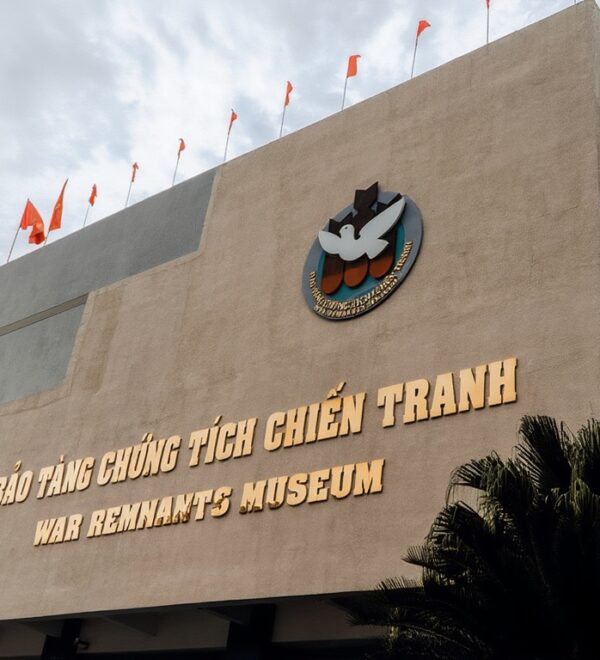
I’ve been to the War Remnants Museum (Bảo tàng Chứng tích Chiến tranh — say: bao-tang chung-tik chien-tranh) three times. It’s heavy every time. For a full breakdown of what’s actually worth your time, our things to do in Ho Chi Minh City guide cuts through the noise.

The museum documents the American War — that’s what it’s called here — from the Vietnamese perspective. Photographs by Tim Page, Larry Burrows, Henri Huet. Weaponry displayed in the courtyard. A floor on the effects of Agent Orange that I will not try to describe here except to say: it stays with you.
Entrance: 40,000 VND (~$1.50). Hours: 7:30am–6pm daily. Address: 28 Vo Van Tan, District 3.
ℹKnow Before You Go
Come in the morning before tour buses arrive. The Agent Orange/War Crimes floor is genuinely distressing — families with young children should consider whether it’s appropriate for their kids. Allow 2 hours minimum.
For more on what to expect inside, our War Remnants Museum guide covers each floor in detail.
Independence Palace (Reunification Palace)
The building where the Vietnam War effectively ended — a North Vietnamese tank crashed through the gates on April 30, 1975. The palace was captured intact. They didn’t change anything. Walking through it now is like entering a 1970s time capsule that nobody has cleaned.
The war room in the basement, the communication equipment, the pastel-coloured sitting rooms upstairs — it’s genuinely strange and worth an hour of your time.
Entrance: 40,000 VND (~$1.50). Address: 135 Nam Ky Khoi Nghia, District 1.
→Who It’s For
History people, architecture fans, anyone who wants context for the country they’re travelling in. Skip if you’ve already spent a day at the War Remnants Museum and are feeling saturated.
District 1 vs District 3 — Where to Actually Spend Your Time
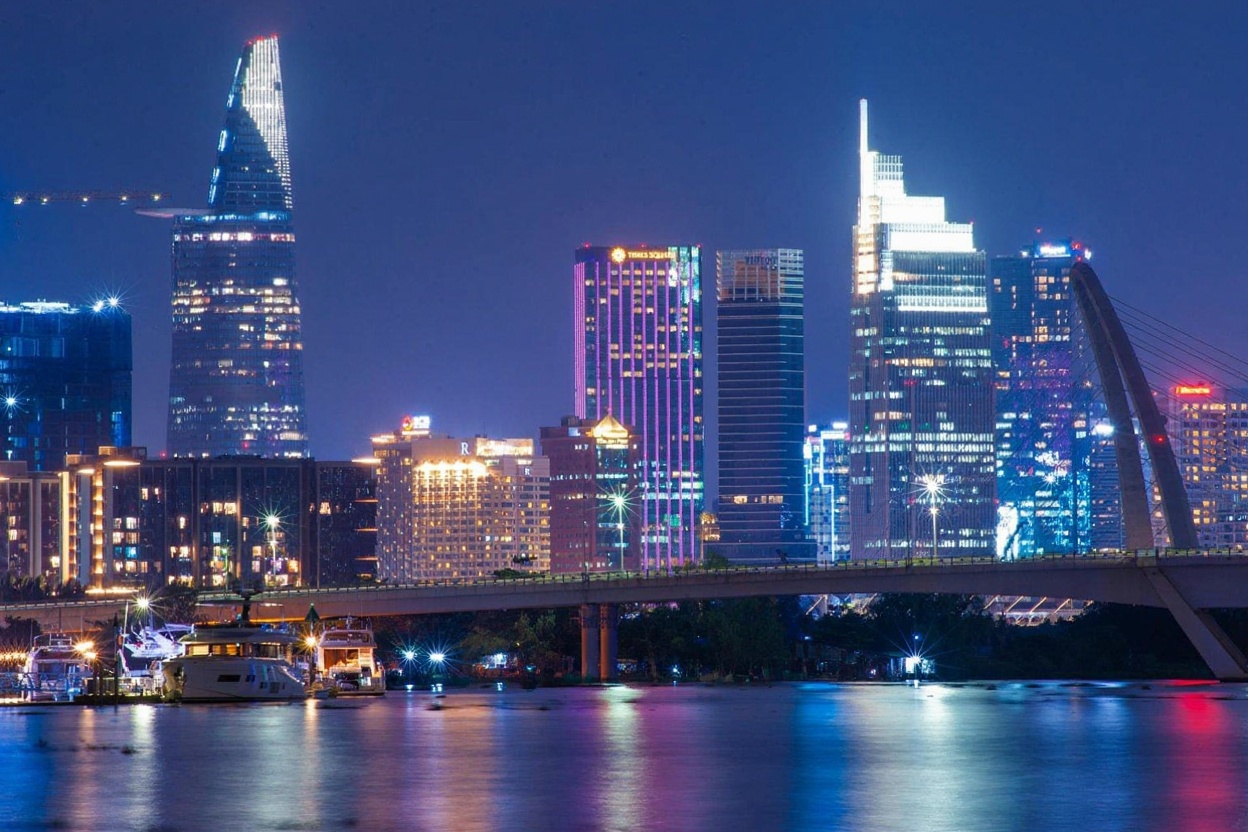
District 1 (Quận 1 — say: kwan mot) is where most tourists stay. Nguyen Hue Walking Street, Ben Thanh Market, the Bitexco Financial Tower — it’s all here. It’s also the most chaotic, most overpriced, and least local part of the city.
District 3 (Quận 3) is 10 minutes away by Grab bike and a completely different city. Narrower streets. Independent cafés. Vietnamese families eating on plastic stools at 7am. Less English on the menus. The area around Vo Van Tan and Tran Cao Van streets specifically — this is where I go when I’m in Saigon and want to feel like I’m not in a tourist zone.
Our Saigon districts guide breaks down every major neighbourhood worth knowing.
↗Insider Tip
District 4 (across the canal from D1) has some of the best street food in Saigon and almost no foreign tourists. Xóm Chiếu Street for bún thịt nướng and bánh xèo. Walk across the footbridge from Ben Nghe and you’re in a different world.
Ben Thanh Market — The Honest Version
Every Saigon guide includes Ben Thanh Market (Chợ Bến Thành). Most of them tell you it’s a “worth your time cultural hub.” Here’s what it actually is: a tourist market with fixed-but-inflated prices, aggressive vendor attention, and very little that you can’t find cheaper 10 blocks away.
A Reddit commenter who lives here called it a “hot cramped hellhole.” That’s perhaps too harsh — the building itself is genuinely photogenic and the scale is impressive. But if you’re going to buy anything, know that prices start at 2–3x the going rate and you’re expected to bargain hard.
The surrounding streets — particularly Le Thanh Ton (the Korean street) and the backside of Ben Thanh facing Pham Ngu Lao — have far better food and better prices.
⚠Real Talk
Crosswalks in Saigon mean nothing. Sidewalks are motorbike parking. Don’t wait for a green man — watch the traffic, pick a gap, and walk steadily. Stopping mid-road is more dangerous than continuing. The first time feels insane. The third time feels normal.
The Food — This Is What Saigon Is For
Saigon food is richer and sweeter than northern Vietnamese food. More coconut milk, more sugar, more herbs. The south grows things the north doesn’t — lemongrass, morning glory, a dozen varieties of fresh mint that show up in every meal.
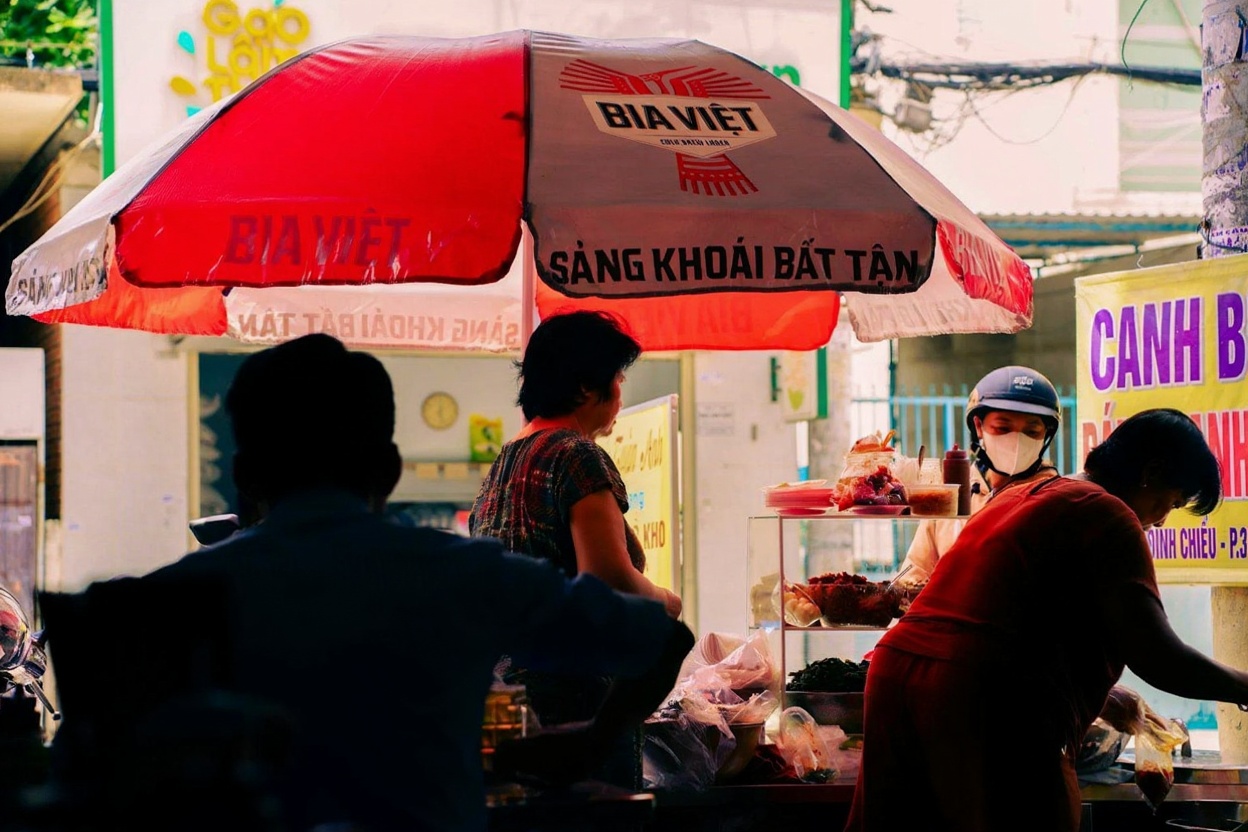
Cơm Tấm (say: cuhm tam) — broken rice with grilled pork, fried egg, and pickled vegetables — is the Saigon breakfast. You can get it at any cơm tấm stall for 40,000–70,000 VND (~$1.50–2.70). Cơm Tấm Bui Saigon at 7 Dinh Tien Hoang is where I usually start.
Bánh Mì Huynh Hoa at 26 Le Thi Rieng, District 1 — this is the most famous bánh mì shop in Saigon. The queue is real. The sandwich is enormous. 50,000–70,000 VND (~$2–2.70) and worth every dong.
Hủ Tiếu Nam Vang (say: hoo tyew nam vang) — Cambodian-style noodle soup that became a Saigon staple. Clearer broth than phở, sweeter, with shrimp, pork, and quail eggs. Best in Cho Lon (Chinatown), around Tran Hung Dao Boulevard.
For the full picture on where to eat, our Saigon food guide covers every dish and neighbourhood.
Where to Stay in Saigon — The Honest Breakdown
District 1 is the default and it makes sense: central location, walking distance to most attractions, easy Grab access everywhere. The downside is noise, tourist pricing, and the general feeling of being in a theme park of yourself.
The Pham Ngu Lao area (backpacker hub) is cheaper but Bui Vien Street — the main drag — is one of the loudest streets in Southeast Asia. If you’re a light sleeper and your guesthouse faces the street, you will not sleep before 2am. I made this mistake in 2022 and spent two days in a fog.
Reason to Come
Saigon has a café obsession that rivals Hanoi’s, but the style is different. Where Hanoi leans into small, cluttered, neighbourhood cafés with egg coffee and memory, Saigon builds concept spaces — rooftop gardens, converted shophouses, plants everywhere, cold brew dripping from elaborate apparatus.
Cà phê sữa đá (say: ca-feh soo-a da) — iced coffee with condensed milk — is the Saigon standard. Syrupy, strong, served in a glass with more ice than coffee. It costs 20,000–40,000 VND (~$0.76–1.52) at a street cart, 50,000–80,000 VND (~$1.90–3) at a café.
The café cluster around Nguyen Trai in District 1 has options at every price point. For something more interesting, the area around Tran Hung Dao in District 5 (Cho Lon) has Vietnamese-Chinese cafés that have been serving the same style of iced coffee for 50 years and are still full of locals at 7am.
★Jake’s Pick
The rooftop cafés in District 3 around Pham Ngoc Thach and Nguyen Dinh Chieu streets are where I default when I’m in Saigon. Less Instagram-curated than D1 spots, better prices, actual Vietnamese families at the tables. Order a cà phê đen đá (black iced coffee) and a bánh mì and claim a table before 8am.
Day Trips from Saigon — Which Ones Are Worth It
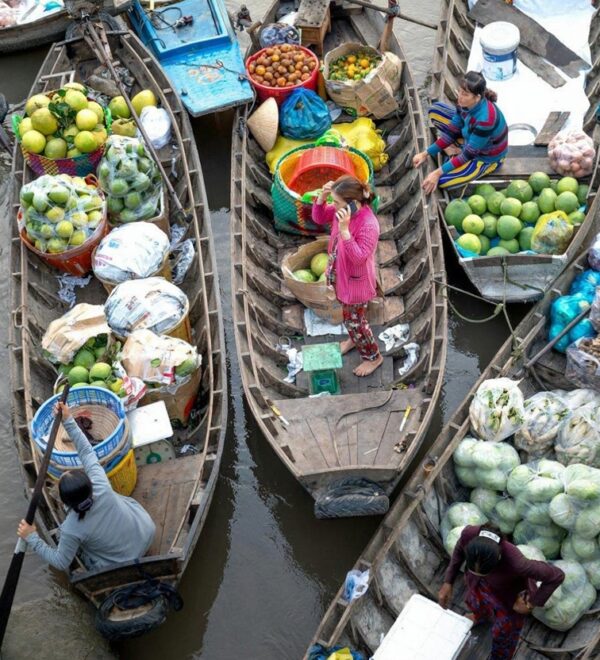
The two non-negotiable day trips from Saigon are Cu Chi Tunnels and the Mekong Delta.
Cu Chi Tunnels — 75km northwest of the city, 1.5–2 hours by bus or tour vehicle. The network of tunnels the Viet Cong used during the war: claustrophobic, still partly intact, deeply strange to walk through. Tours run 350,000–450,000 VND (~$13–17) including transport from D1. Go morning to avoid the worst heat.
Klook has the widest selection for Vietnam and is usually the cheapest. KKday is strong on day trips and local experiences.
Mui Ne — 4–5 hours northeast by sleeper bus or Grab/taxi. Sand dunes, kitesurfing, a slower beach pace. Worth it for 2+ nights; too far for a day trip. Sleeper bus round trip runs roughly 250,000–350,000 VND (~$9.50–13) each way.
More options in our day trips from Saigon guide.
→Who It’s For
Cu Chi — anyone with an interest in the war, history, or sheer human ingenuity under pressure. Mekong Delta — anyone who wants to see rural Vietnam without getting on a sleeper bus north. Mui Ne — beach people who don’t want to go all the way to Da Nang or Phu Quoc.
Getting to Saigon
Tan Son Nhat International Airport (SGN) is 7km from District 1 — which sounds manageable until you experience Saigon traffic at 5pm and realise it can take 45 minutes to go that distance.
Use Grab. Always. The metered taxis outside arrivals are legitimate (look for Vinasun and Mai Linh), but there are also unmarked white cabs positioned near the exit that charge 3–5x the going rate and rely on tourists not knowing better. Don’t get in an unmarked white cab. Open Grab before you exit and book in the arrivals hall.
Grab from SGN to District 1: 150,000–200,000 VND (~$6–8) by car. Bus 109 runs to Ben Thanh Market for 20,000 VND (~$0.76) but takes 1–1.5 hours and involves luggage on public transit.
From Hanoi: flights take 2 hours and cost 500,000–1,500,000 VND (~$19–57) booked in advance. The 30-hour sleeper train exists and is an experience worth doing once, not the most efficient way to cover this route. Full breakdown in our Hanoi to Saigon guide.
Getting Around Saigon
Grab bike (xe ôm — say: say-ohm) for short trips, Grab car for groups or late nights. Don’t bother renting a motorbike unless you have experience driving in chaotic traffic — Saigon has 8 million motorbikes and genuinely no lane discipline.
Walking works within Districts 1 and 3 but the heat between 11am–3pm is punishing. Saigon’s humidity is thick and sticking — drink more water than you think you need, and carry a small towel.
12Go covers most Vietnam routes — sleeper buses, trains, and island ferries. Compare schedules and book in advance during peak season (Dec–Feb, Jun–Aug).
ℹKnow Before You Go
Tipping is not standard in Vietnam. Service workers — particularly at street food stalls and small local restaurants — are often genuinely surprised by tips. You can round up a bill or leave small change if the service was excellent, but don’t feel obligated, and never tip at street stalls. The strong local sentiment on this is worth respecting.
What I Got Wrong in Saigon
My first visit to Saigon in 2021 I spent most of it in District 1, treating it like a checklist city. Ben Thanh Market. Notre Dame. Bitexco Tower. The Reunification Palace. I was covering ground the way someone who didn’t actually want to be there would cover ground.
The thing I missed completely was what Saigon is actually about: the coffee culture, the street food ritual, the late-night culture of eating something grilled on a plastic stool at 10pm, the energy of a city building itself at speed. I was at the surface while the actual city was happening one street over.
The second visit I stayed in District 3, had no plan past “find good coffee and walk.” I ate five things a day for three days and still didn’t cover the city. That was the right approach.
Best Time to Visit Saigon
Saigon has two seasons: dry and wet. Unlike central and northern Vietnam, it doesn’t get cold — the temperature stays around 27–35°C year-round.
December–April is the dry season and the best time to visit. Lower humidity, no afternoon downpours, clearer skies. This is peak season — expect higher hotel prices and more tourists at the main sights.
May–November is the wet season. Afternoon thunderstorms are common from June–August — heavy but short, usually clearing within an hour. The city doesn’t shut down; you just carry a light rain jacket and plan your outdoor activities for the morning.
There is no bad month to visit Saigon the way there is for Da Nang (typhoon season, flooding). The only real reason to avoid May–October is comfort — it’s hot, humid, and occasionally very wet.
Saigon as a Base for Southern Vietnam
Saigon works well as a hub for the south in a way that Hanoi works for the north. The Mekong Delta is 2 hours away. Mui Ne is 4–5 hours. Phu Quoc is a 45-minute flight. Nha Trang is a 1-hour flight or 9-hour sleeper bus.
If you’re doing a full Vietnam trip — north to south or south to north — Saigon is the natural start or end point. The open-jaw flight option (fly into Hanoi, fly out of Saigon) is one of the best ways to structure a Vietnam trip without backtracking. For flight options, train schedules, and what to expect on each, our Hanoi to Saigon guide has the full breakdown.
Two things worth sorting before you land: a Vietnam eSIM so you have data the moment you clear customs, and travel insurance — medical costs for uninsured foreigners in Vietnam are significant.
Airalo eSIMs activate instantly. Buy before departure — airport SIM queues in Vietnam can take 30+ minutes.
Frequently Asked Questions
How many days do I need in Saigon?
Three days is the realistic minimum. Day 1: War Remnants Museum + Independence Palace + evening street food wander. Day 2: Cho Lon (Chinatown) + District 3 neighbourhood exploration + rooftop sunset. Day 3: Cu Chi Tunnels day trip. Four days gives you breathing room and a Mekong Delta excursion.
✓Quick Answer
Three days minimum in Saigon: War Remnants Museum, Independence Palace, Cho Lon, and one day trip (Cu Chi or Mekong Delta). Four days is better. The city rewards wanderers over checklist tourists — build in unplanned time.
Is Saigon safe for solo travellers?
Yes, with standard precautions. The biggest risks are: motorbike bag-snatching (keep bags on your body, not dangling), taxi scams from the airport (use Grab), and general traffic danger. Saigon is not a city to wander at night with your phone out in quiet streets — but District 1 and the main areas are well-lit and active late into the night.
What’s the deal with Ben Thanh Market?
Photogenic, historically significant, not a great place to buy anything unless you’re prepared to bargain hard from an inflated starting price. Worth walking through once. Not worth spending more than 45 minutes there. For actual market shopping, Tan Dinh Market (District 3) or Binh Tay Market (Cho Lon) are better options with fewer tourist markups.
Do I need to tip in Saigon?
No. Tipping is not standard in Vietnamese culture. Service staff at local restaurants and street stalls don’t expect it and are often surprised by it. Rounding up the bill or leaving small change is a nice gesture if the service was excellent. At upscale restaurants with a service charge already added, a tip is completely unnecessary.
What’s the difference between District 1 and District 3?
District 1 is the tourist and business centre — most attractions, hotels, and restaurants. Louder, more expensive, more English on menus. District 3 is 10 minutes away and significantly more local in feel — quieter streets, independent cafés, Vietnamese families at street stalls, slightly better value on accommodation. For stays of 3+ nights, District 3 is the better base.
Can I use Grab everywhere in Saigon?
Yes. Grab works everywhere in Saigon, around the clock. Grab bike (GrabBike) is cheapest for solo travel — 30,000–60,000 VND (~$1–2) for most short trips. Grab Car for groups, luggage, or late nights. Download the app before you land and add a card or use cash. Don’t negotiate with street xe ôm drivers unless you’ve confirmed a price upfront — they will almost always charge more than Grab.
How do I get from Saigon to Hoi An, Da Nang, or Hanoi?
Fly. Saigon to Da Nang is 1 hour, 400,000–900,000 VND (~$15–34) with Vietnam Airlines or VietJet booked in advance. Saigon to Hanoi is 2 hours, 500,000–1,500,000 VND (~$19–57). The overnight train is a viable option for Saigon–Nha Trang (9 hours) or even Saigon–Da Nang (16 hours) if you want the experience, but flying is faster and often comparable in price for the longer routes.
FAQ
How many days do you need in Ho Chi Minh City?
Three nights minimum to hit the main historical sites (Reunification Palace, War Remnants Museum, Ben Thanh Market) and eat your way through the city. Five nights if you want to add day trips (Cu Chi Tunnels, Mekong Delta day trip). Saigon rewards slow exploration — the more time you give it, the more it reveals.
Is Saigon or Ho Chi Minh City the right name?
Both are correct and used interchangeably. The city was renamed Ho Chi Minh City in 1976 after reunification, but most residents — including younger Vietnamese — still call it Saigon in casual conversation. Official documents and transport use Ho Chi Minh City. On the ground, saying ‘Saigon’ is completely understood and widely used.
What are the best neighborhoods to explore in Saigon?
District 1 (downtown) for the French colonial architecture, War Remnants Museum, and Ben Thanh Market. District 3 for the residential café culture and local restaurants. District 4 for the best street food concentration. District 5 (Cholon) for the Chinese-Vietnamese markets and temples. Binh Thanh for the Saigon River views and the quieter residential feel.
Is Saigon safe for tourists?
Yes — Saigon is a safe city by any Asian-city standard. The main risks are bag snatching by motorbike (keep your bag on the sidewalk-facing side of your body, not the road side), and taxi scams (use Grab exclusively). Traffic is the biggest actual danger — crossing roads takes adjustment to the motorbike flow.
What is the best area to stay in Saigon?
District 1 around Pham Ngu Lao / De Tham (backpacker area) for budget travelers: everything walkable, social hostel scene, Grab rides cheap. District 1 around Dong Khoi for mid-range: better restaurants and cafés nearby. District 3 for a quieter, more local experience within 10 minutes of the main sites. Avoid District 7 and Binh Thanh unless you’re meeting people who live there — too far from everything.