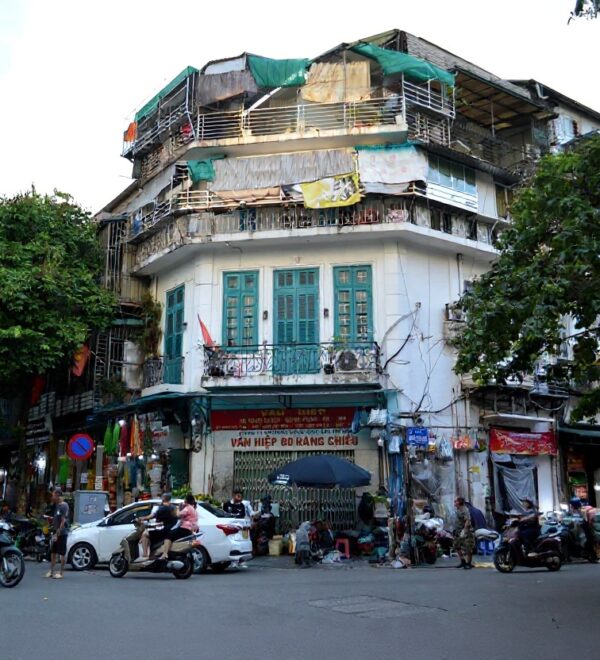
Hoi An’s Old Town gets the Instagram coverage and the TripAdvisor rankings. And then people actually go, spend a day in the Ancient Town, and come back to Reddit saying “it’s kind of overrated, isn’t it?” One r/VietNam thread: “Old Town just becomes more and more overtouristed.” Another: “There’s not much to do in Hoi An in my opinion.” A third: “it seemed like hell to me.”
They’re not wrong about the Old Town at peak hours. What they missed was the beach, four kilometers away, where the same town reveals a different version of itself.
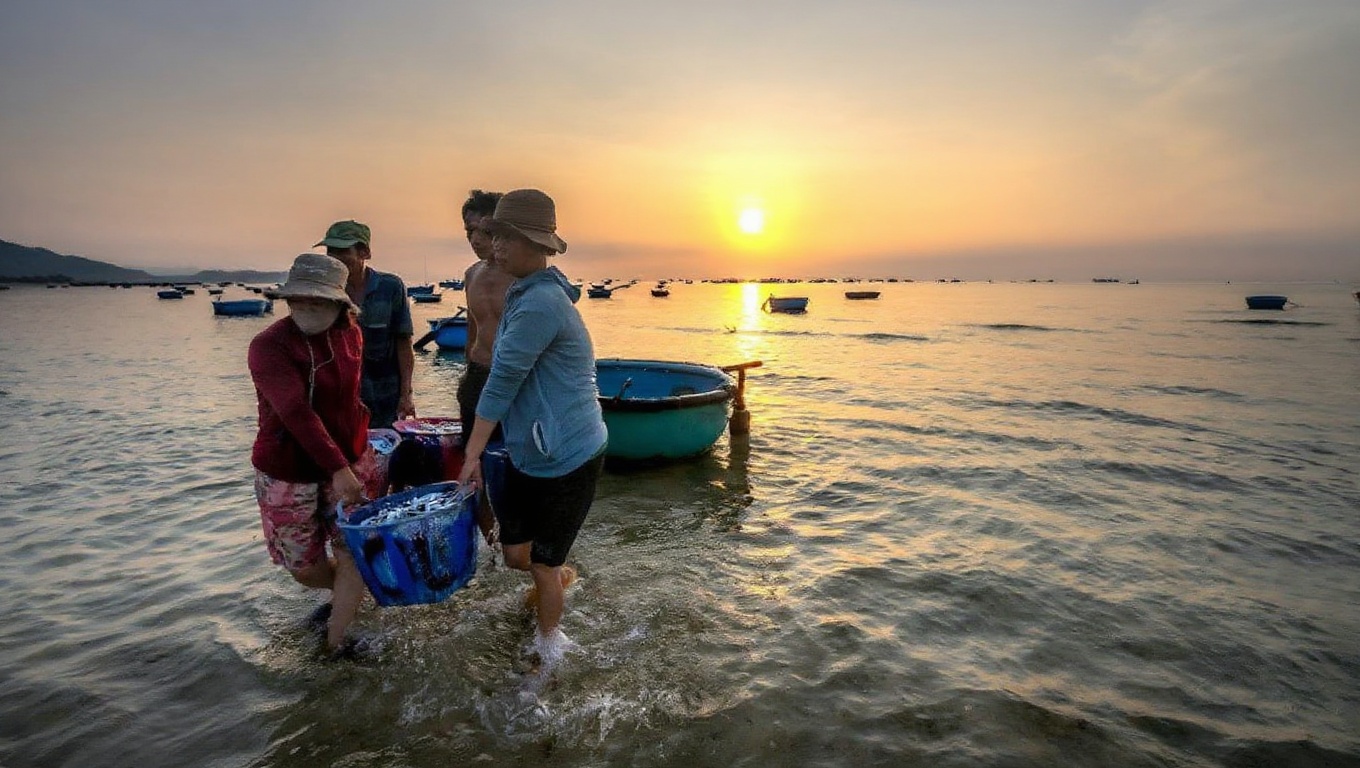
An Bang Beach is where you go after you’ve done the lanterns and the tailors and the Cao Lau. It’s where the Hoi An expat community actually spends its afternoons. It’s where the round bamboo basket boats the fishermen use every dawn make Hoi An look like Vietnam instead of a UNESCO tourism product.
Here’s what you need to know before you go.
An Bang Beach — Quick Facts
| Distance from Ancient Town | ~4km (15–20 min by bicycle) |
| Best season | March–August (warm, calm, clear water) |
| Best time of day | Before 9am (quiet, cooler) or after 4pm (golden hour) |
| Avoid | September–December (typhoon season, rough seas) |
| Entry fee | Free |
| Sun loungers | Free with food/drink order at beachside restaurants |
| Water sports | Kayaking, SUP, surfing, parasailing, kite surfing |
| Swimming | Calm water, soft sandy bottom — good conditions most of the year |
| Compared to Cua Dai | Quieter, more local character, less resort-dominated |
An Bang vs Cua Dai: Which Beach to Choose
> **Quick Answer:** An Bang is quieter, more local-feeling, and better for a full day with food and drinks. Cua Dai has more resort infrastructure but feels more manufactured. Most travelers with more than 2 nights in Hoi An do both.
Hoi An has two main beaches. Cua Dai is the older, more established one — resort hotels, beach clubs, sun lounger rows. An Bang is 2km further north, with smaller guesthouses, independent beach bars, and a fishing village attached that gives the whole place a different energy.
Cua Dai got hit hard by erosion over the past decade — sandbags and erosion barriers have changed the look of parts of the beach, and some of the resort frontage has suffered. An Bang has held up better physically and the independent café-bar scene that’s developed there has a personality that Cua Dai’s more resort-oriented infrastructure doesn’t.
Neither beach is secret. Both get busy in high season. But An Bang’s reputation as the “less touristy” option is earned — not because it’s undiscovered, but because it’s been developed by small operators rather than resorts, and the vibe that creates is genuinely different.
If you can only go to one: An Bang. It’s closer to the center of town if you’re cycling, it has better food-and-drink options at the beach, and it has a character the resort beaches don’t.
Getting There from Hoi An Ancient Town
> **Quick Answer:** Bicycle is the standard. Rent one in the Old Quarter for 30,000–50,000 VND per day, head north out of town on Cua Dai Road, then follow signs for An Bang. The ride takes 15–20 minutes. Easy, flat, no significant traffic once you’re out of town.
Hoi An is the most bike-friendly city in central Vietnam. The town is flat, the roads out to the beaches are paved, and cycling to An Bang is one of those rides that feels like it was designed specifically for tourists — in the best way. You’ll pass rice paddies, small villages, and a stretch of road lined with lotus ponds before the beach appears.
12Go covers most Vietnam routes — sleeper buses, trains, and island ferries. Compare schedules and book in advance during peak season (Dec–Feb, Jun–Aug).
Options:
Bicycle (recommended): Rentals are everywhere in the Old Quarter — 30,000–50,000 VND per day. Most guesthouses also lend bicycles free or at a small fee. The route: from the Old Town, cross the river toward the Thu Bon River waterfront, then head north. Follow signs for An Bang Beach — they’re consistent. Total distance: about 4km. Time: 15–20 minutes at a casual pace.
Motorbike: If you have a motorbike, the same route works. Parking at An Bang is informal but exists. Motorbike rental in Hoi An: 100,000–180,000 VND per day.
Grab/taxi: A Grab car from the Ancient Town to An Bang Beach runs about 60,000–100,000 VND. Grab bike is cheaper at 25,000–45,000 VND. Useful if you’re returning after sunset and don’t want to cycle back in the dark.
Walking: Doable but unnecessary when bicycles cost less than $2 per day. 4km in Vietnamese heat, even at a moderate time, is a commitment you don’t need to make.
What An Bang Beach Actually Looks Like
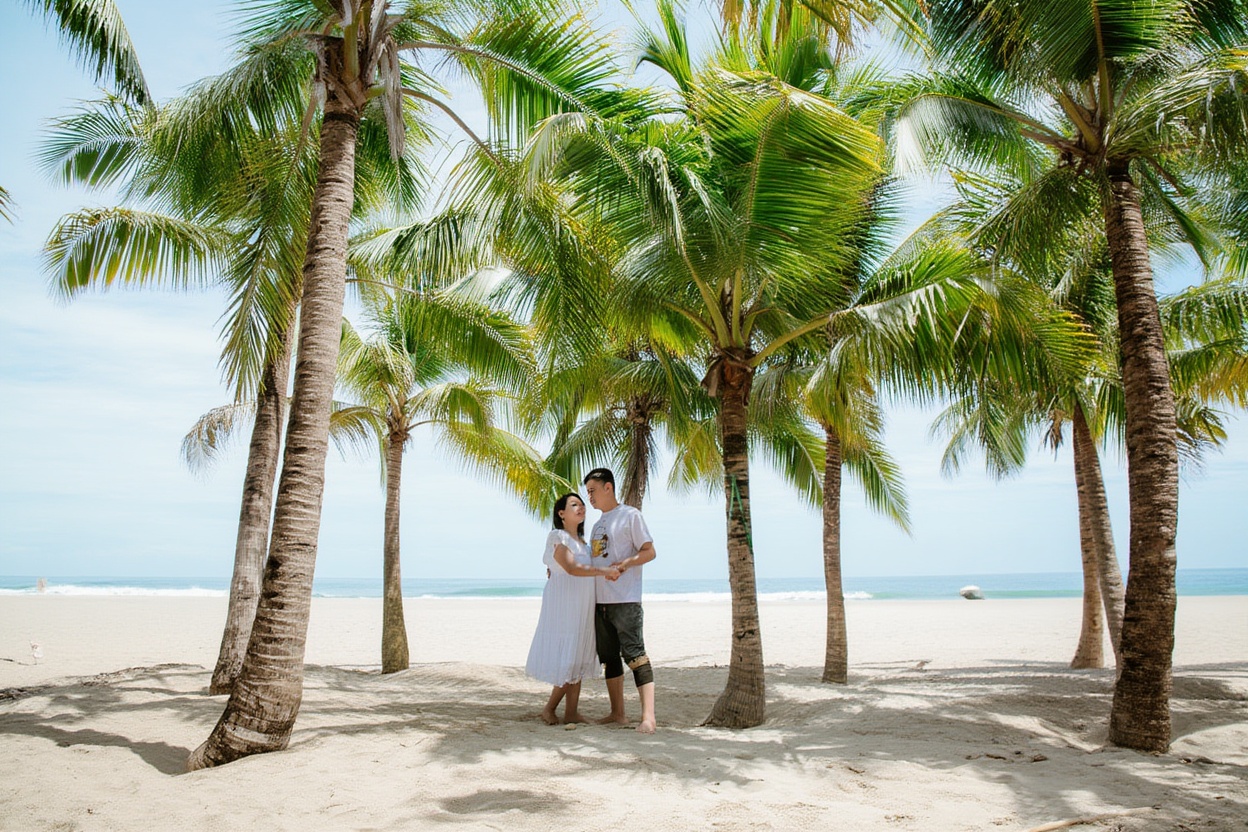
An Bang is a long, slightly curved stretch of white-ish sand backed by casuarina trees and a low-density strip of beach restaurants and bars. The water is turquoise in the right light, calmer than you’d expect from a South China Sea-facing beach, and warm enough to swim without any drama. The bottom is sandy and soft — no rocks or sharp drops.
The fishing village aspect is real, not aesthetic. Basket boats — the round bamboo coracles called thuyền thúng — are used here every day by the local fishermen. In the early morning, before the beach crowds arrive, the boats are out in the water or being beached after a night fishing run. This is not a heritage demonstration; it’s just how fishing works in this community. The boats are small, round, and impossibly buoyant-looking — watching someone navigate one competently is like watching a man row a salad bowl.
The development along the beachfront is deliberately low-rise — mostly two-story bamboo-and-wood structures with restaurants at ground level and sometimes small guesthouses above. No high-rises, no resort walls blocking the view from the road. The feel is somewhere between developed and village: enough infrastructure to make a full day comfortable, not so much that it erases the place’s character.
When to Visit (and When to Stay Away)
> **Quick Answer:** March to August is the sweet spot — warm, clear water, calm conditions. Swim before 9am or after 4pm to avoid the harshest midday heat. September through December is typhoon season — the sea gets rough and swells unpredictable. Check the flag system: red or black flags mean stay out of the water.
The seasonal breakdown matters more at An Bang than at some beaches because the South China Sea exposure means conditions change significantly.
March–August: Best season. Water temperature: 25–28°C. Waves: small and gentle. Sky: mostly blue. This is when An Bang is at its most photographically accurate — the water really does look that turquoise. May and June can get hot (32–34°C during the day), which is why the morning and late afternoon swims beat midday.
September–December: Typhoon season. The beach doesn’t disappear, but the sea can turn rough quickly, swimming flags go up, and some beachfront places temporarily close or reduce service. Hoi An itself often floods in October–November (the rains are annual and sometimes severe). If you’re in Hoi An during this period, check sea conditions daily and don’t swim on red or black flag days.
Time of day: Before 9am is the best swim window — the light is soft, the beach is quiet, and you’re ahead of the day-tripper crowd from Da Nang. After 4pm is the second-best window — the heat breaks, the light turns golden, and the beach bar crowd starts arriving. Midday (11am–3pm) is functional if you’re in the shade with a drink, but the sun is aggressive and the beach fills up.
Flag system: An Bang uses a standard Vietnamese beach flag system. Green = safe swimming. Yellow = swim with caution. Red = no swimming. Black = danger, all water activity prohibited. The system is enforced by lifeguards; follow it. Rip currents happen here and are the main safety concern.
What to Do at An Bang Beach
The core activity is being at the beach — which sounds obvious but is undersold. An Bang’s beach bar setup is specifically designed for a full day: show up at 10am, order breakfast, claim a sun lounger (free with food and drink orders at most beachside restaurants), swim, nap, swim again, eat lunch, watch the fishermen, have a drink at 4pm, watch the sunset. No agenda, no itinerary. This is one of the few places in Vietnam where doing absolutely nothing is the correct activity.
Swimming: The water is genuinely good for swimming — calm most of the year, clear, sandy bottom. The floating buoys mark the designated swimming area. Stay inside them, especially if there are any waves; the currents outside can be stronger than they look.
Klook has the widest selection for Vietnam and is usually the cheapest. KKday is strong on day trips and local experiences.
y by operator and season — expect 150,000–300,000 VND for 30-60 minutes of most activities. Shop around if multiple vendors are operating; prices are negotiable in low season.
Beach massage: Vendors walk the beach offering massage services. Prices: 200,000–300,000 VND for foot massage (roughly 30–45 minutes), 400,000–500,000 VND for full body. These are local operators, not spa services. The foot massage at sunset is a specific An Bang experience that’s worth doing at least once.
Watching the basket boats: The round bamboo coracles are most active in the early morning and late afternoon. If you’re at the beach by 7am, you’ll see them returning from overnight runs. If you’re there after 5pm, some of the fishermen are preparing for the next run. No charge to watch; this is just part of the beach.
Where to Eat and Drink at An Bang
The beachfront food at An Bang is better than at most comparable Southeast Asian beaches. The restaurants competing for the same strip of beach have driven up quality — fresh seafood is the standard, and prices are reasonable by beach standards, if higher than Old Town.
General orientation: most of the restaurants are in a cluster near the main beach access road. They offer free sun loungers or beach mats with a minimum order — usually food or a drink. The competition for lounger-hours means they’re eager to have you and don’t pressure you to order constantly.
What to eat: fresh grilled fish and shrimp (priced by weight — ask to see the seafood selection before agreeing to anything), morning glory stir-fry, rice paper rolls. For breakfast, a few spots open early and serve Vietnamese standards — bánh mì, cháo (rice congee), and fresh coconut.
Price range: a full beachside lunch with fresh seafood, rice, and drinks runs 200,000–400,000 VND per person. Cheaper than the Old Town’s tourist-facing restaurants for better ingredients.
The beach bars are a step above the restaurant scene and where An Bang’s expat community congregates in the afternoon. The vibe shifts around 4pm: sun loungers fill up, acoustic music starts, cocktail orders replace lunch orders. It’s the kind of beach bar scene that was cool before beach bars became a formula.
The Village Behind the Beach
An Bang village — the residential community directly behind the beach — is not a tourist attraction, but it’s worth understanding that it’s there. The fishing families who own the basket boats live in this village. The women who walk the beach selling fruit in the afternoon are from this village. Some of the beachside restaurant owners are from here; others are Hoi An town families who saw the business opportunity when the beach started developing.
The relationship between the tourist economy and the local fishing community is one of those delicate coexistences that works better here than in many comparable places. The beach isn’t fenced off for resort guests. The fishermen don’t get pushed to the edges. When you’re watching the boats at 7am, you’re watching actual working fishermen, not a heritage reenactment.
This matters practically because it shapes the atmosphere of the beach during the morning hours. Before the day-tripper crowd from Da Nang arrives around 10am, An Bang belongs to the village and the early swimmers. The rhythm is quieter, the vendor pressure is lighter, and the beach smells like the sea and charcoal rather than sunscreen. That version of An Bang is worth the early start.
Combining An Bang with a Full Hoi An Day
The standard An Bang day-trip structure that works:
- 7–8am: Old Town for breakfast — cao lầu or bánh mì trứng from a street vendor, while the Ancient Town is still half-asleep
- 9am: Cycle to An Bang, claim a sun lounger, swim before the heat kicks in
- 11am–2pm: Lunch at a beachfront restaurant, shade, reading, swim again
- 4pm onwards: Beach bar, sunset swim, massage if the vendors are around
- 6pm: Cycle back to Old Town for dinner and lanterns
This structure lets you do both things Hoi An does well: the heritage town experience and the beach experience, without either competing with the other.
If you’re making the most of your Hoi An time, our Hoi An things to do guide covers the full Old Town routing — which sections to hit early, where the best street food is, and how to avoid the worst crowd windows. For those spending time on shopping, the Hoi An tailors guide covers how to work with the town’s custom clothing scene without getting burned by the tourist traps.
Is An Bang Worth the Trip?
> **Quick Answer:** Yes — especially if you’ve already spent time in the Old Town and need a change of pace. An Bang is what Hoi An looks like when it’s not performing for tourists. Go for at least a half-day.
An Bang isn’t going to blow your mind. It’s not some secret beach that exists outside the tourism system — it’s a busy beach in high season with beach bars and sun lounger competition and vendors. What it offers is a version of Hoi An that the Ancient Town’s congestion sometimes obscures: a working coastal community with genuine local life happening alongside the tourist economy.
The round basket boats at dawn are the detail that stays with me. Not because they’re photogenic (they are), but because they mean people here actually fish for a living, and the beach you’re lying on is their work zone. That dual-use reality — fishing village and beach bar coexisting in the same strip of sand — is specific to An Bang in a way the resort beaches don’t replicate.
Go early at least once. The Old Town at 7am and An Bang at 8am are two different countries from the same town at noon.
Practical Info
An Bang Beach — At a Glance
| Item | Details |
|---|---|
| Distance from Old Town | ~4km, 15–20 min by bicycle |
| Bicycle rental | 30,000–50,000 VND/day in Old Quarter |
| Grab to An Bang | 60,000–100,000 VND (car), 25,000–45,000 VND (bike) |
| Best season | March–August |
| Best swim time | Before 9am or after 4pm |
| Avoid | Sept–December (typhoon season) |
| Sun lounger | Free with food or drink order |
| Massage on beach | 200,000–300,000 VND (foot) / 400,000–500,000 VND (full body) |
| Water sports | 150,000–300,000 VND per session |
| Seafood lunch | 200,000–400,000 VND/person |
| Flag system | Green=safe | Yellow=caution | Red/Black=no swimming |
Two things worth sorting before you land: a Vietnam eSIM so you have data the moment you clear customs, and travel insurance — medical costs for uninsured foreigners in Vietnam are significant.
Airalo eSIMs activate instantly. Buy before departure — airport SIM queues in Vietnam can take 30+ minutes.
FAQ
Is An Bang Beach better than Cua Dai Beach?
For most travelers, yes. An Bang has more character — independent beach bars, a fishing village adjacent, less resort infrastructure. Cua Dai has more amenities but also more erosion damage and a more packaged atmosphere. If you’re in Hoi An for more than two nights, try both.
How do you get from Hoi An to An Bang Beach?
Bicycle is the standard. Rent one in the Old Quarter for 30,000–50,000 VND per day and ride north — about 4km, 15–20 minutes. Most guesthouses also lend bicycles. Grab works if you’d rather not cycle.
What is the best time to visit An Bang Beach?
March through August is the best season — warm, calm water, clear skies. Within the day, before 9am is the best swim window (quiet, cooler), and late afternoon is best for atmosphere. September–December is typhoon season — the sea can get rough with little warning.
Are there restaurants at An Bang Beach?
Yes — a full strip of beachfront restaurants and bars. Most offer free sun loungers or beach mats with a minimum food or drink order. Fresh seafood is the specialty — grilled fish, shrimp, clams, and squid priced by weight. Full lunch with drinks: 200,000–400,000 VND per person. The food quality is consistently better than what you’ll find at the tourist-facing restaurants in the Ancient Town, for roughly similar prices.
Is An Bang Beach safe for swimming?
Generally yes, in the March–August season. The water is calm with a soft sandy bottom. The beach uses the standard Vietnamese flag system — green means safe, yellow means caution, red or black means no swimming. Follow the flags: rip currents are the main hazard, especially during and after rainy season.
What are the round boats at An Bang Beach?
They’re called thuyền thúng — round bamboo basket boats. They’re traditional Vietnamese fishing vessels, used by the fishing village next to the beach. They look impractical and are surprisingly maneuverable — the round shape makes them stable in waves, and experienced fishermen spin them with a single paddle motion. You’ll see them most in the early morning when fishermen return from overnight net runs, and in the late afternoon when crews prepare the gear for the next trip out.
An Bang Beach — Cheat Sheet
| ✅ Bicycle is the move (30–50k VND/day) | ✅ Arrive before 9am for quiet + good light |
| ✅ Sun loungers free with food/drink order | ✅ Ask weight price before ordering seafood |
| ✅ March–August = best season | ✅ Check the flag system before swimming |
| ❌ Skip Sept–December (typhoon/rough seas) | ❌ Don’t swim outside the buoy markers |
| ❌ Not a secret — busy in high season | ❌ Midday sun is harsh; take a break midday |