Last updated: May 2026 — prices and logistics verified May 2026.
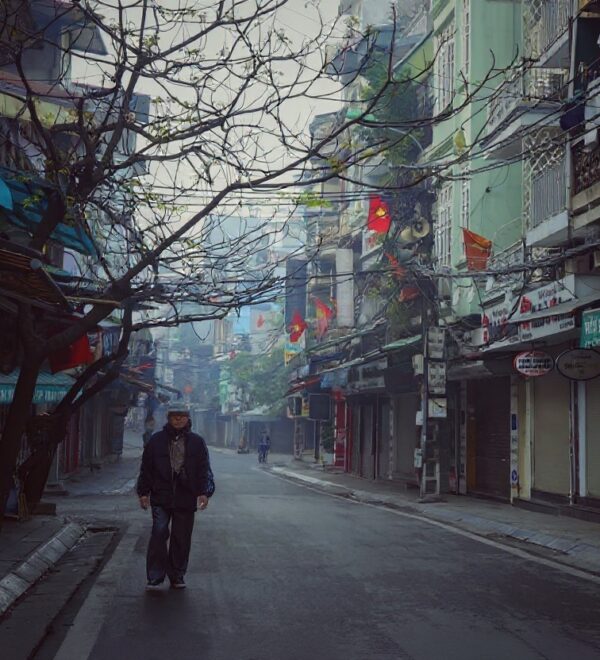
Two years ago I asked a taxi driver in Nha Trang if he’d been to Phú Yên. He looked at me the way you look at someone who mispronounced a word they should know. “Of course,” he said. “It’s in the movie.”
The movie is Tôi Thấy Hoa Vàng Trên Cỏ Xanh — I See Yellow Flowers on Green Grass (say: toi thay hwah vang tren ko xanh) — a 2015 Vietnamese coming-of-age film that turned Bãi Xép fishing village into a domestic pilgrimage site. Vietnamese tourists have been making the trip ever since. Foreign travelers still haven’t caught on.
That gap is closing. Phú Yên made Vietnam’s official top-5 summer destinations list for 2026 and showed up in Booking.com’s global trending index. But for now — right now — the coast here still feels like something you stumbled onto rather than something you planned.
I spent four days in Phú Yên in early 2026. The basalt reef at Gành Đá Đĩa is as genuinely strange and beautiful as advertised. The yellowfin tuna in Tuy Hòa is the best I’ve had in Vietnam, and I’ve eaten a lot of tuna in Vietnam. Bãi Xép at 7am — before the domestic weekend crowds roll in — is what Hội An’s beach scene must have felt like fifteen years ago.
Here’s what you need to plan a real trip to Phú Yên province, Vietnam.
Why Phú Yên Is Worth Adding to Your Route
Phú Yên isn’t a destination most itineraries include by default. It sits in the middle of the central coast — about 100km north of Nha Trang and 100km south of Quy Nhon — which makes it genuinely easy to add as a two-night stop without rerouting everything.
What it has that its neighbors don’t: zero mass tourism infrastructure. No Old Town with overpriced tailor shops. No beach strip with sunlounger attendants charging by the hour. No tourist bus unloading 40 people at the same viewpoint you’re standing at.
It also has something rare on this coastline: a geological wonder that isn’t a cave. Gành Đá Đĩa is a basalt formation that looks like it belongs in Iceland, not tropical Vietnam. Combine that with a lighthouse at Vietnam’s easternmost point and a beach that became famous through a film rather than a marketing campaign — and Phú Yên starts to feel earned in a way that few central coast stops still do.
Phú Yên is part of a stretch of central coast that doesn’t get the attention it deserves — for the full regional picture, the central Vietnam travel guide puts it in context.
→Who It’s For
Travelers who’ve already done Hội An and Nha Trang and want something that still has rough edges. Motorbike riders building a coastal route. Anyone who wants fresh tuna on a plastic stool without being on a “food tour.” Not ideal for first-time Vietnam visitors who need the infrastructure of a bigger tourist hub.
Getting to Phú Yên
✓Quick Answer
Fly into Tuy Hòa airport (TBB, 10km from city center) on VietJet, Bamboo, or Vietnam Airlines — round trip from Hanoi or Saigon runs 1,500,000–4,000,000 VND (~$57–152) booked early. The Reunification Express stops at Tuy Hòa station — about 10 hours from Da Nang, 2.5 hours from Nha Trang. From Quy Nhon, a sleeper bus takes 2 hours and costs 80,000–120,000 VND (~$3–5).
12Go covers most Vietnam routes — sleeper buses, trains, and island ferries. Compare schedules and book in advance during peak season (Dec–Feb, Jun–Aug).
The most common approach from the north is to wrap up Quy Nhon and take either a sleeper bus or the train south to Tuy Hòa. From the south, Nha Trang is the jumping-off point — buses run frequently and take around 2.5–3 hours on the highway.
If you’re doing the coastal motorbike route — which is the right way to move through this region — Phú Yên slots in naturally. The road between Quy Nhon and Tuy Hòa passes through Đèo Cù Mông (Cù Mông Pass), and the section along the coast before the pass earns a stop. Our Vietnam motorbike rental guide covers what to sort out before you ride.
If you’re on the Reunification Express, Tuy Hòa is a proper stop — the train actually pulls in rather than slowing down at a flag stop. From Da Nang it’s around 10 hours; from Nha Trang, about 2.5 hours northbound.
Once you’re in Tuy Hòa, rent a motorbike. The city has rental shops near the central market — expect 100,000–180,000 VND (~$4–7) per day for a semi-automatic. Most of Phú Yên’s main sites are 20–40km from the city on roads that Grab doesn’t reliably reach.
What to Do: The Attractions That Actually Matter
Gành Đá Đĩa — The Basalt Reef
This is why you came. Gành Đá Đĩa (say: ganh da dia — roughly “rocky plate reef”) is a coastal formation of around 35,000 interlocking basalt columns, most of them hexagonal, packed together so tightly they look like a floor someone laid by hand. Except the hand was volcanic activity, and the floor is now a coastal reef that the ocean hits with full force twice daily.
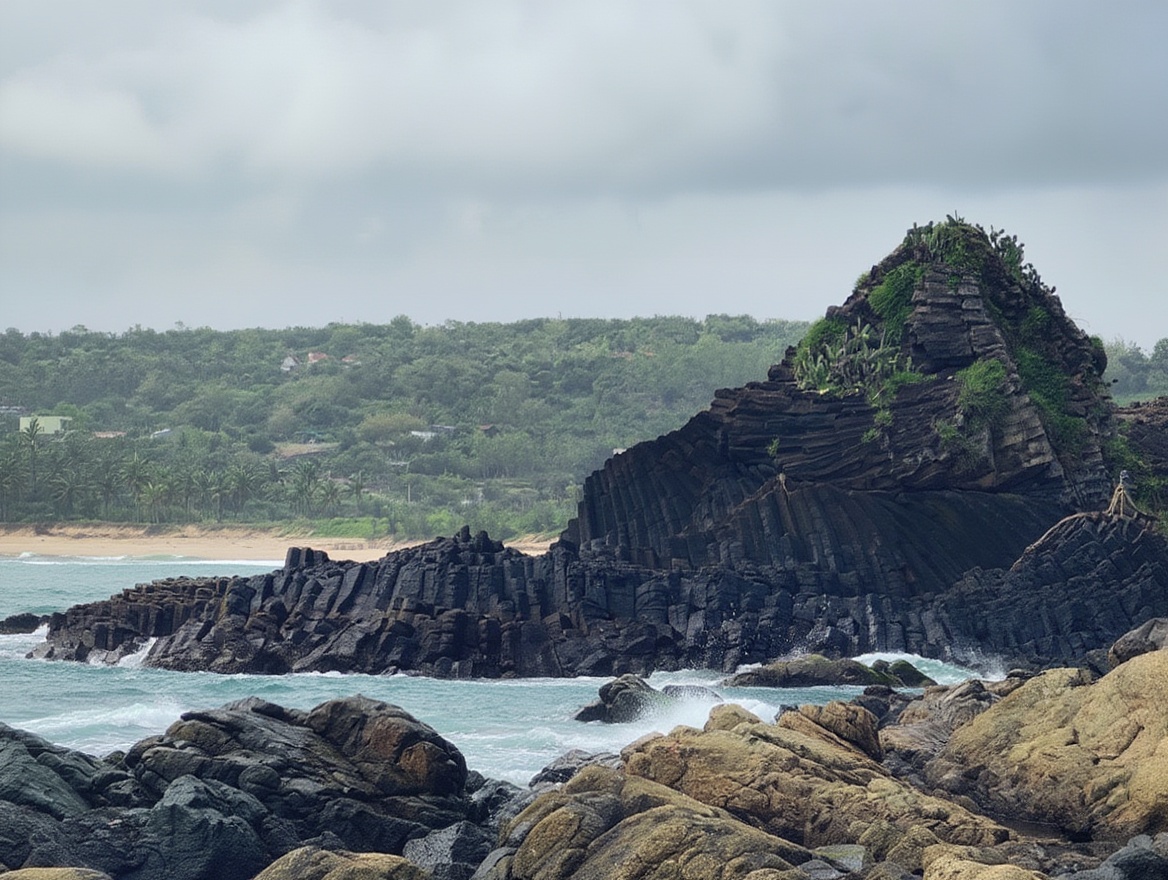
It’s in Hòa Tâm commune, Đông Hòa district — about 23km southeast of Tuy Hòa, coordinates 13.02° N, 109.35° E. Entry fee: 40,000 VND (~$1.50) (verified May 2026). The path from the parking area to the reef takes about 10 minutes on foot.
Klook has the widest selection for Vietnam and is usually the cheapest. KKday is strong on day trips and local experiences.
Northern Ireland — basalt columns formed when lava cooled and contracted into geometric shapes. Here the columns angle roughly horizontal into the coast rather than standing vertical, which gives the reef its distinctive stacked-plates look. The ocean fills the gaps between columns at high tide; at low tide you can walk right out onto the reef.
↗Insider Tip
Go before 9am or after 4pm. The light is better, the temperature is survivable, and you’ll have the reef largely to yourself on weekdays. At midday in summer, the black basalt absorbs enough heat that the rocks are painful to touch with bare hands. I learned this the hard way — more on that below.
Best for: Everyone. Genuinely unusual and photogenic without requiring any particular fitness level. The path is flat once you’re on the reef. Worth 60–90 minutes.
Bãi Xép — The Beach the Film Made Famous
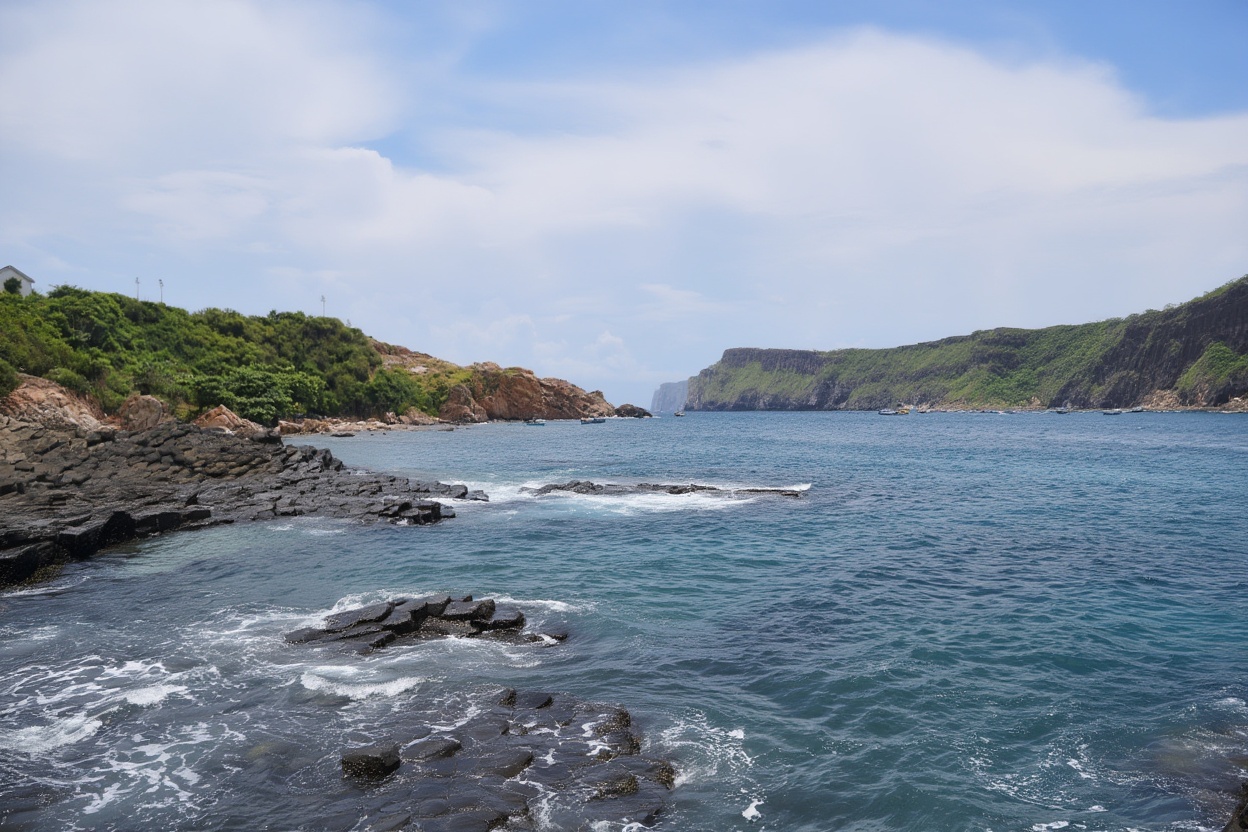
Bãi Xép (say: bai sep) is a small cove in Tuy An district, about 30km north of Tuy Hòa. It’s rocky in the interesting way — boulders flanking a crescent of sand, fishing boats moored offshore, the kind of coastline that looks unplanned rather than manicured.
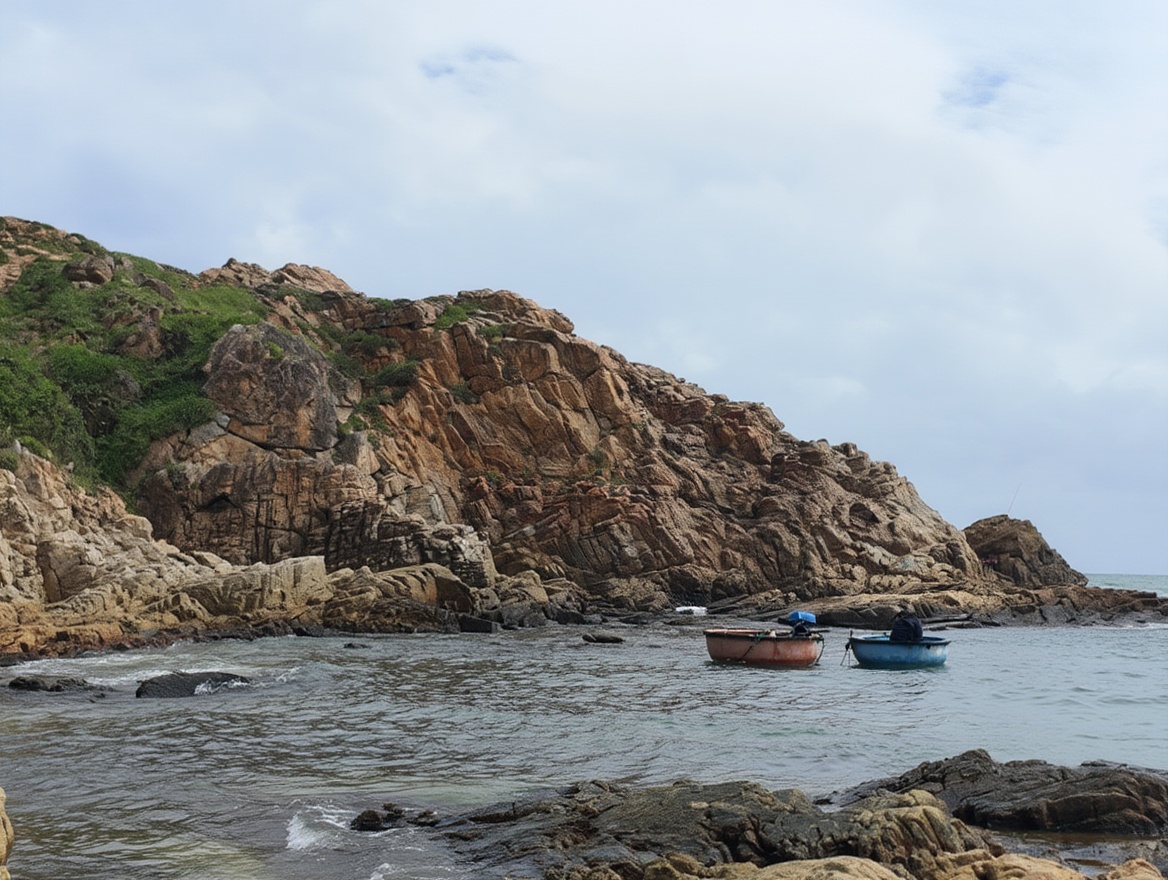
The film connection is worth knowing. Tôi Thấy Hoa Vàng Trên Cỏ Xanh was shot largely around Bãi Xép and the surrounding countryside, and it made the beach a pilgrimage for Vietnamese audiences. What it didn’t do — yet — is build the infrastructure to absorb crowds. The fishing village is still a fishing village. The guesthouses are basic. The food is what the fishermen eat.
To reach the cove you can take a boat from An Hải commune fishing port — 50,000 VND (~$2) per person (verified May 2026) — or approach by motorbike via the coastal road and walk down. On weekends, domestic visitors show up in volume. On weekday mornings before 9am it’s quiet enough that the main sounds are waves and the creak of boat rigging.
⚠Real Talk
Weekend crowds from Da Nang, Nha Trang, and Quy Nhon come specifically to stand where the film scenes were shot. If you want the quiet version of Bãi Xép, come Tuesday to Thursday in March or April. Saturday in August is a different experience entirely.
Mũi Điện — Vietnam’s First Sunrise
Mũi Điện (say: mwee dyen) is Vietnam’s easternmost point — the first place on the mainland to see the sun come up each morning. The French built a lighthouse here in 1890, still standing at 26.5m tall and 110m above sea level, and the headland looks out over nothing but the South China Sea in every direction.
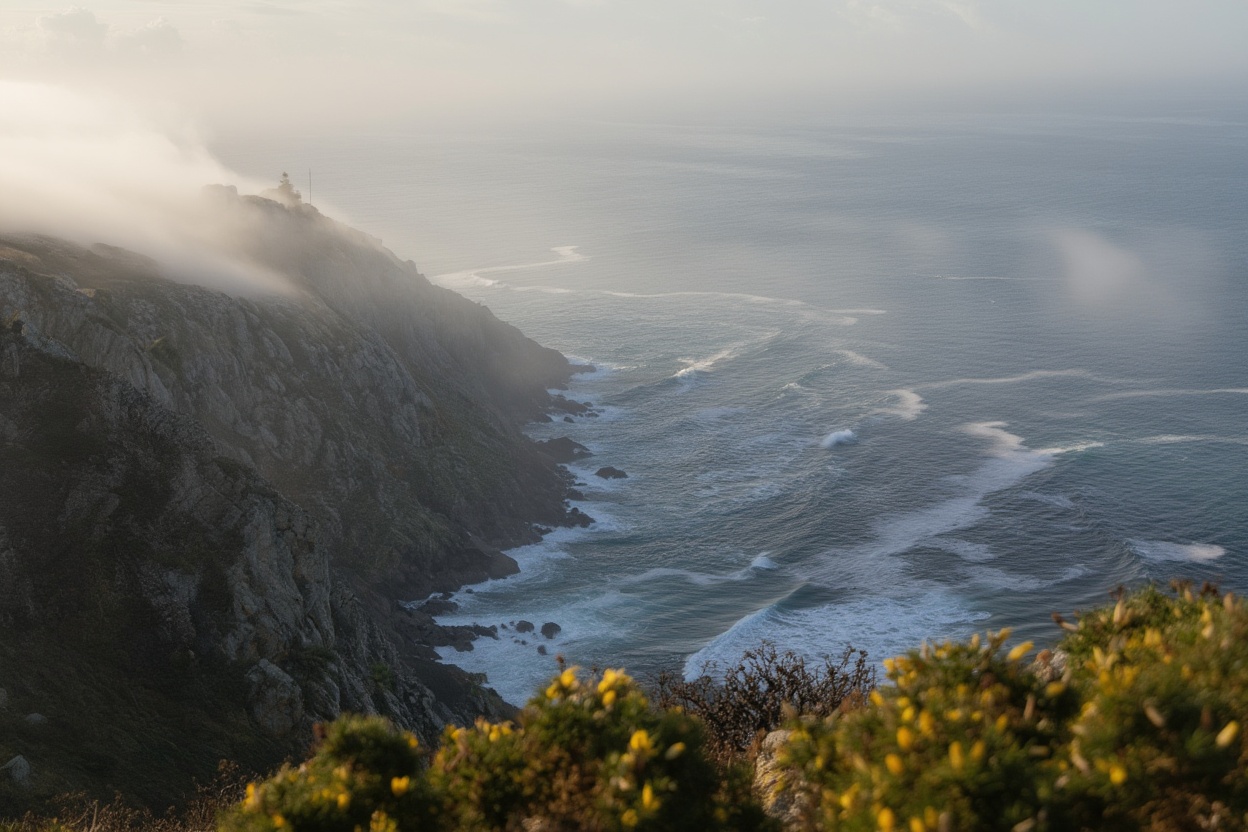
It’s about 35km southeast of Tuy Hòa via National Highway 1A past Đèo Cả (Cả Pass) and then the coastal road toward Vũng Rô. The pass stretch has views over the bay that make you pull over whether you planned to or not.
If you’re going for sunrise — and some people genuinely set a 4:30am alarm for this — ride in the dark and bring a headlamp. The path from the parking area down to the headland is rocky and uneven. The lighthouse itself is operational; it’s not always open for climbing. The views from the surrounding headland are the reason to come — you don’t need to go up the tower.
ℹKnow Before You Go
No entry fee for the Mũi Điện headland area as of May 2026. The access road is narrow and shared with fishing traffic in the early morning. Go slow, especially in the dark.
Vũng Rô Bay
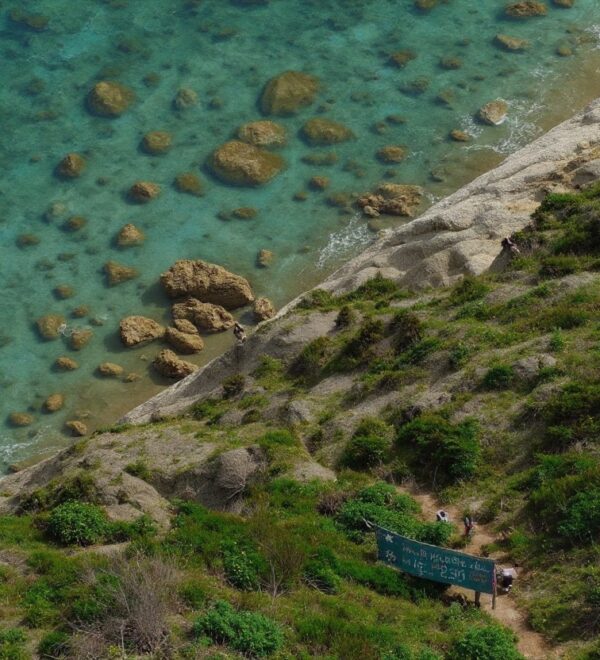
Vũng Rô (say: voong roh) is a bay tucked between mountains about 30km south of Tuy Hòa, on the road toward Nha Trang. The water is clear in calm conditions — turquoise in shallow sections, deepening to blue-green further out. Fishing villages sit at the back of the bay. In the dry season, boat trips for snorkeling run from the main pier [VERIFY: around 150,000–250,000 VND (~$6–10) per person for a group trip].
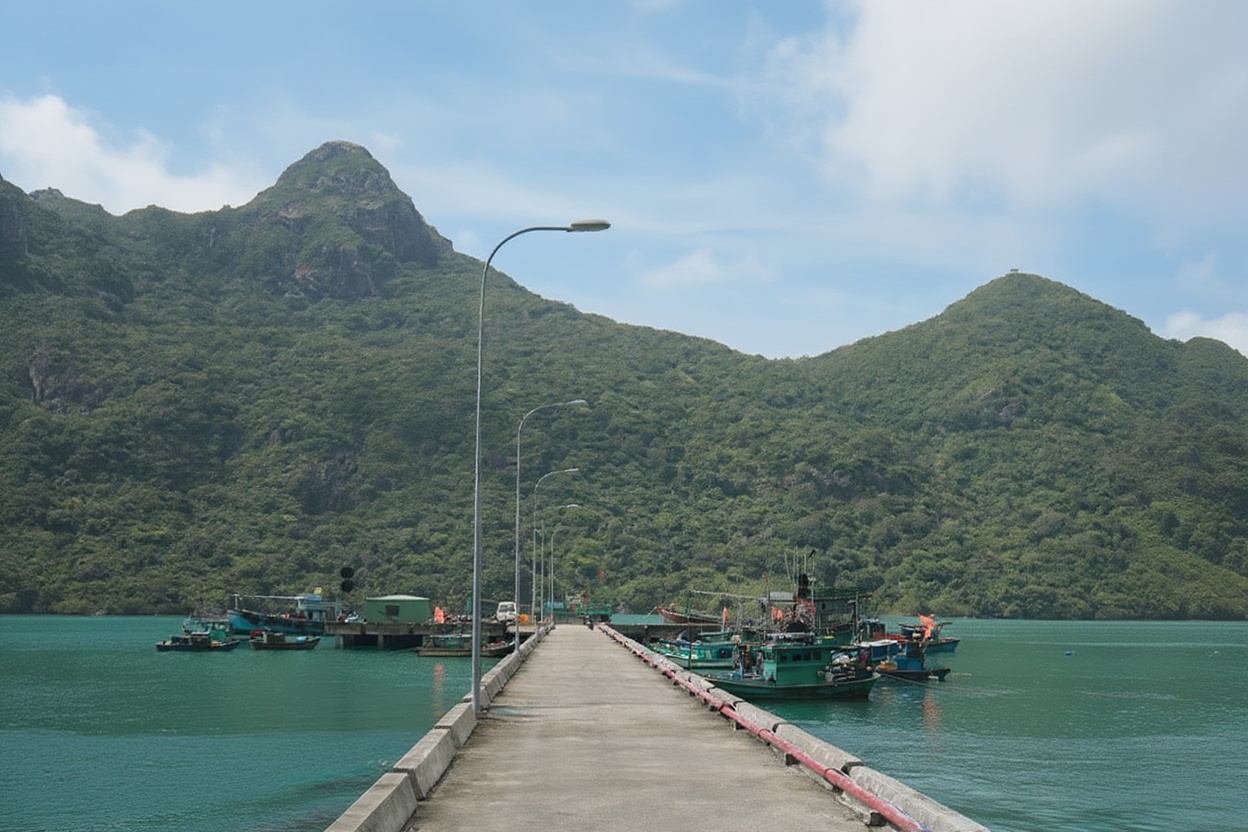
Vũng Rô has wartime history most travelers don’t know about. This was the landing site of a North Vietnamese cargo ship in February 1965 — part of what became the maritime version of the Hồ Chí Minh Trail, smuggling weapons south. There’s a small monument near the pier. The combination of that history and a bay this clear-watered is the kind of quiet contradiction Phú Yên keeps offering without making a noise about it.
Hòn Yến — Walk on the Coral
Hòn Yến (say: hon yen — “swallow island”) is accessible by boat from An Hải commune during low tide, when the coral reef surrounding the island emerges enough to walk on. Coral formations at knee height, accessible without snorkel gear, no tour bus in sight. It would be a major draw if it were near a tourist city. Here it’s just a thing you can do on a Wednesday.
Boats run from the same port as Bãi Xép — combine them in a single trip [VERIFY: tours typically 200,000–350,000 VND (~$8–13) per person including both stops]. Dry season only — September through December the coral is submerged and the sea is rough.
Where to Stay in Phú Yên
Most travelers base in Tuy Hòa city — it has the best accommodation range, the best food, and a central location for riding to all the main sites. There are small guesthouses near Bãi Xép for beach-adjacent sleeping, but they’re basic and book out on weekends.
Budget (under 800,000 VND/~$30/night): Rome Hostel and Ivory Phu Yen Hotel in Tuy Hòa city are the reliable options. Clean, central, functional wifi. Nothing remarkable, nothing broken.
Mid-range (800,000–2,000,000 VND/~$30–76/night): Saigon Phu Yen Hotel is the most established mid-range choice — pool, breakfast, consistent service. Book via Agoda; rates vary significantly by season.
Splurge: Zannier Hotels Bãi San Hô and Rosa Alba Resort are the luxury options, both closer to the coast than Tuy Hòa. For a honeymoon or genuine resort stay, these are legitimately good — but you’ll be further from the city food scene.
★Jake’s Pick
A mid-range guesthouse on Trần Hưng Đạo street, Tuy Hòa — 650,000 VND (~$25)/night, owner knew where to rent a motorbike and drew me a map to the rental place on a receipt. Breakfast was bánh mì and cà phê sữa đá at a plastic table on the sidewalk. Everything I needed.
What to Eat in Phú Yên
Phú Yên’s food identity is built around one ingredient: cá ngừ đại dương (say: ka ngoo dai owong) — yellowfin tuna. The province sits at the edge of deep-water fishing grounds, and the fleet here is serious. The result is fresh tuna at a fraction of what it costs anywhere near a tourist city.
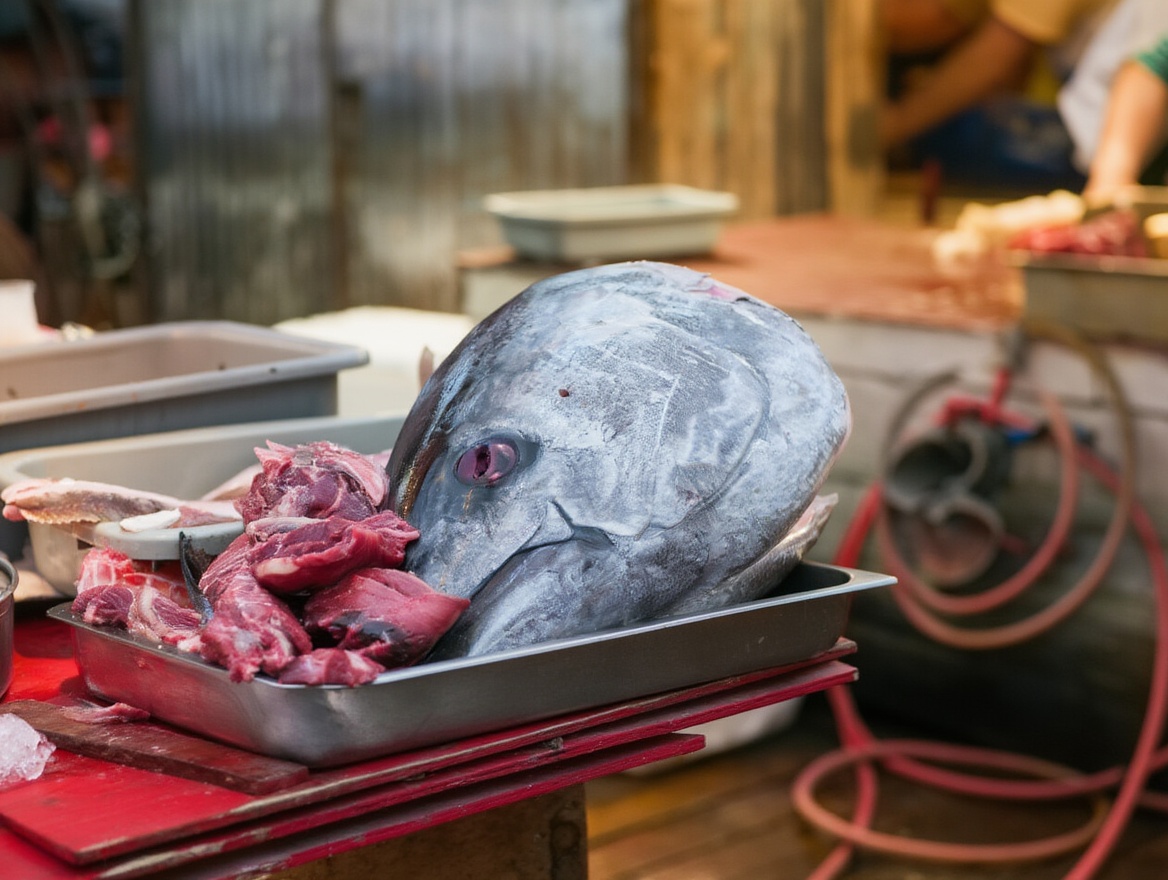
In Tuy Hòa’s market and along the seafront restaurants, tuna comes raw (sashimi-style, a Vietnamese-Japanese coastal influence that works), grilled over charcoal, or stirred into bún cá (fish noodle soup). The grilled version — charcoal smoke, fish sauce, a squeeze of lime — is the version to order. The smell hits from across the street.
Beyond tuna:
- Bánh xèo Phú Yên — the local version of the crispy sizzling pancake is smaller and more intensely filled than Hội An’s. Usually 20,000–40,000 VND (~$1–1.50) per piece at market stalls.
- Bún cá — fish noodle soup with a turmeric-tinged broth. Lighter than Hà Tiên’s version, cleaner than Đà Nẵng’s. Order it for breakfast before you ride out to Gành Đá Đĩa.
- Ốc hương — spiced snails, eaten at seafront restaurants in the evening. One of those dishes that’s better than it sounds, especially with the first cold Bia Hơi.
The Tuy Hòa morning market — near the city center, open from around 5:30am — is worth an early wander. Fresh seafood arriving from overnight boats, charcoal already going under the bánh mì grills, the particular Tuy Hòa dialect of Vietnamese bouncing between vendors. None of it is aimed at foreign tourists. That’s the whole point.
Best Time to Visit Phú Yên
✓Quick Answer
January to August is dry season — best beach conditions, calm seas, all boat trips running. The sweet spot is March to May: post-Tet crowds gone, pre-summer school holiday volume, weather reliable and not yet scorching. Avoid October to December — typhoon season hits the central coast hard, and Phú Yên has flooded badly in recent years.
Summer (June–August) is peak domestic season — Vietnamese families and couples from Da Nang, Nha Trang, and further arrive in volume, particularly on weekends. It’s not overwhelming the way Da Nang can feel, but Bãi Xép and Gành Đá Đĩa will be busy. Weekday travel makes a genuine difference here.
Phú Yên’s wet season arrives later than further north — roughly September through December — and when it comes, it comes hard. The province took serious flood damage in October 2020 and November 2021. If you’re traveling in shoulder months, check forecasts seriously.
For month-by-month breakdown across all of Vietnam’s regions, the best time to visit Vietnam guide covers the regional pattern in detail.
What I Got Wrong at Gành Đá Đĩa
I arrived at the basalt reef at 11:30am in July. Full clear sky. No wind. The black rock columns had been absorbing direct sun for five hours.
I lasted about twelve minutes. The rocks were too hot to touch with bare hands. The soles of my sandals started feeling it through the rubber. The golden-hour photography session I’d mentally planned was obviously not happening. The other visitors — a Vietnamese couple in matching sun-protective gear, full arm coverage, hats with neck flaps, the kind of preparation that comes from experience — looked at my shorts and t-shirt the way you look at someone who shows up to a snowstorm without a coat.
The reef is still there at 11:30am. It’s still worth seeing. It’s just that the light is flat, the heat is punishing, and you’ll spend most of your time looking for shade that doesn’t exist. Before 9am or after 4pm. Not negotiable in summer.
Phú Yên as a Stop, Not a Destination
For most travelers building a central Vietnam route, Phú Yên works best as a two-night break between bigger stops. The honest shape of a trip here: fly or train into Tuy Hòa, two full days on a motorbike covering the reef, the lighthouse, and Vũng Rô, one solid evening eating tuna by the water, then continue north to Quy Nhon or south to Nha Trang.
Vietnamese travelers on domestic travel forums consistently describe Phú Yên as feeling five to ten years behind the development curve of Đà Nẵng or Hội An. That’s not a criticism. That gap is exactly what makes it worth the detour right now.
If you’re building a Vietnam itinerary that includes the central coast, two nights here costs you almost nothing in time and gives you something genuinely different from anywhere else on the route.
Frequently Asked Questions
How many days do I need in Phú Yên?
Two full days is the minimum that makes the trip worthwhile. Day one: Gành Đá Đĩa and Mũi Điện lighthouse (both southeast of Tuy Hòa). Day two: Bãi Xép and Hòn Yến island (north of Tuy Hòa). Three days gives you Vũng Rô Bay and room to slow down. One day from Nha Trang or Quy Nhon is too rushed — the sites are too spread out for a comfortable day trip.
Is Phú Yên safe for solo travelers?
Yes — it’s one of the quieter, lower-scam provinces in central Vietnam. The main consideration is motorbike riding on mountain pass sections, which require attention and the right pace. Petty crime is minimal given the low tourist traffic. Our Vietnam safety guide covers the real risks across the country — most of which don’t apply here.
Do I need to rent a motorbike, or can I use Grab?
Rent a motorbike. Grab exists in Tuy Hòa city but driver availability is thin outside the center — Gành Đá Đĩa, Mũi Điện, Bãi Xép, and Vũng Rô are all 20–35km out on roads where Grab doesn’t reliably operate. If you’re not comfortable riding, hire a xe ôm (say: say ohm) driver for the day — negotiate around 400,000–600,000 VND (~$15–23) for a full-day private motorbike driver.
What’s the best way to get from Quy Nhon to Phú Yên?
Sleeper bus is the easiest — roughly 2 hours, 80,000–120,000 VND (~$3–5) from Quy Nhon to Tuy Hòa. Multiple operators run the route daily. The train also works if you’re on the Reunification Express — Tuy Hòa is a proper stop. Motorbike riders should take the coastal road via Đèo Cù Mông — slower than the highway but the views over the coast before the pass justify the time. See our Quy Nhon guide for logistics from there.
Two things worth sorting before you land: a Vietnam eSIM so you have data the moment you clear customs, and travel insurance — medical costs for uninsured foreigners in Vietnam are significant.
Airalo eSIMs activate instantly. Buy before departure — airport SIM queues in Vietnam can take 30+ minutes.
The Bottom Line on Phú Yên
There’s a version of Phú Yên that’s five years from now — boutique hotels at Bãi Xép, an Instagram queue at Gành Đá Đĩa at sunrise, a TripAdvisor “Top 10 Vietnam Coastal Destinations” badge. That version doesn’t exist yet.
The version that exists in 2026 has affordable guesthouses, a basalt reef you’ll mostly have to yourself on a Tuesday morning, and yellowfin tuna so fresh it doesn’t need a complicated sauce. It’s one of the few places on the central coast where the question isn’t “how do I avoid the crowds” — it’s “wait, where is everyone?”
Two nights, a rented motorbike, and a willingness to get up early for the reef. That’s the whole trip. It’s worth it.