Last updated: May 2026
What Is Phở (And Why It’s Not What You Think)
Most visitors land in Vietnam expecting phở to be a single, unified dish. It isn’t. It’s a family of dishes divided by geography, history, and the kind of regional pride that can get you into an argument with a Vietnamese grandmother if you say the wrong thing.
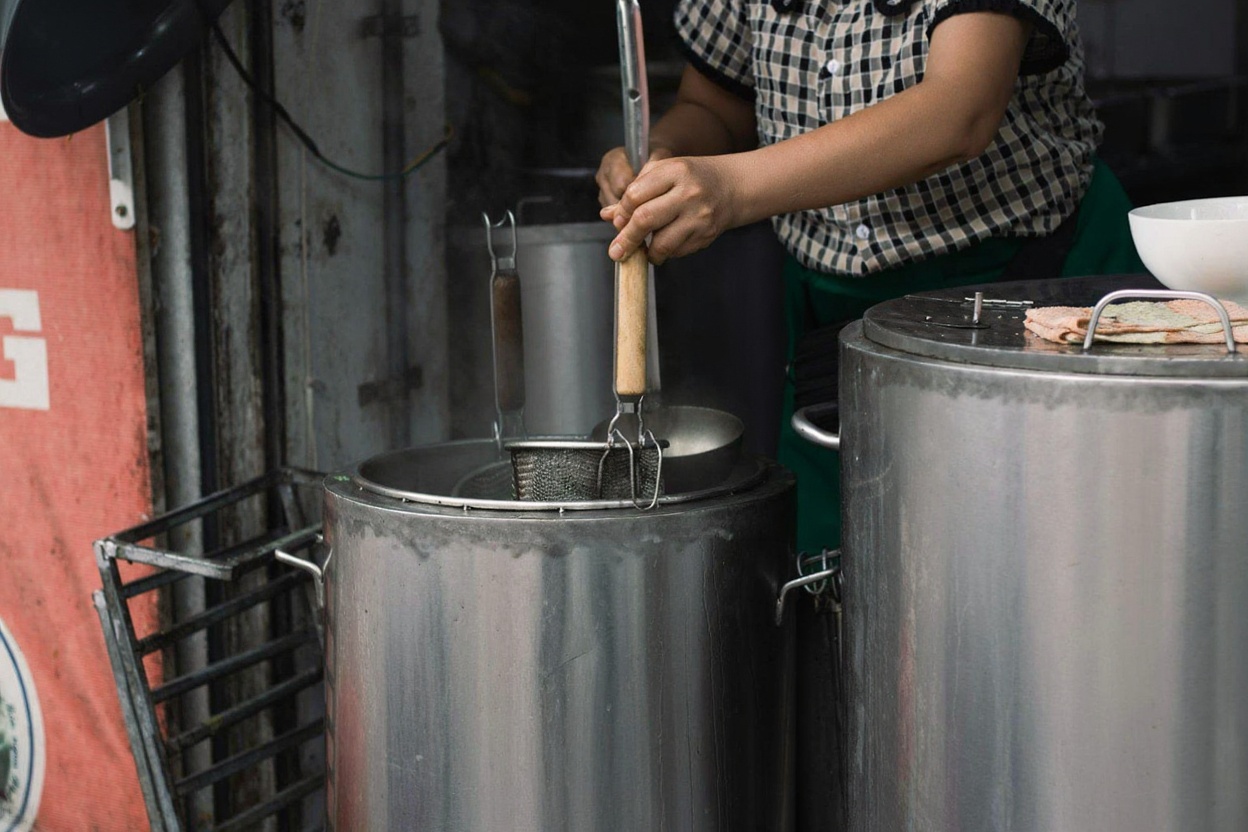
The bones of the story: phở most likely originated in Nam Định province sometime in the early 20th century, with Chinese and French influences shaping the dish — the star anise and cinnamon came from the Chinese; the habit of eating beef in soup came partly from French colonial demand for cattle slaughter. It moved north to Hanoi, then south after the 1954 partition when over a million northern Vietnamese relocated, taking their recipe with them. The south adapted it. The south made it bigger, sweeter, and louder with garnish. And now, seventy years later, both sides claim they’re right.
They’re both right. But you need to know which one you’re eating before you add hoisin sauce to it in Hanoi, because a northern Vietnamese person will notice.
Phở Bắc vs Phở Nam: The North-South Divide
This is the thing that changes your entire experience in Vietnam — not just as a pho eater, but as a traveler trying to understand why the same dish tastes completely different between Hanoi and Ho Chi Minh City.
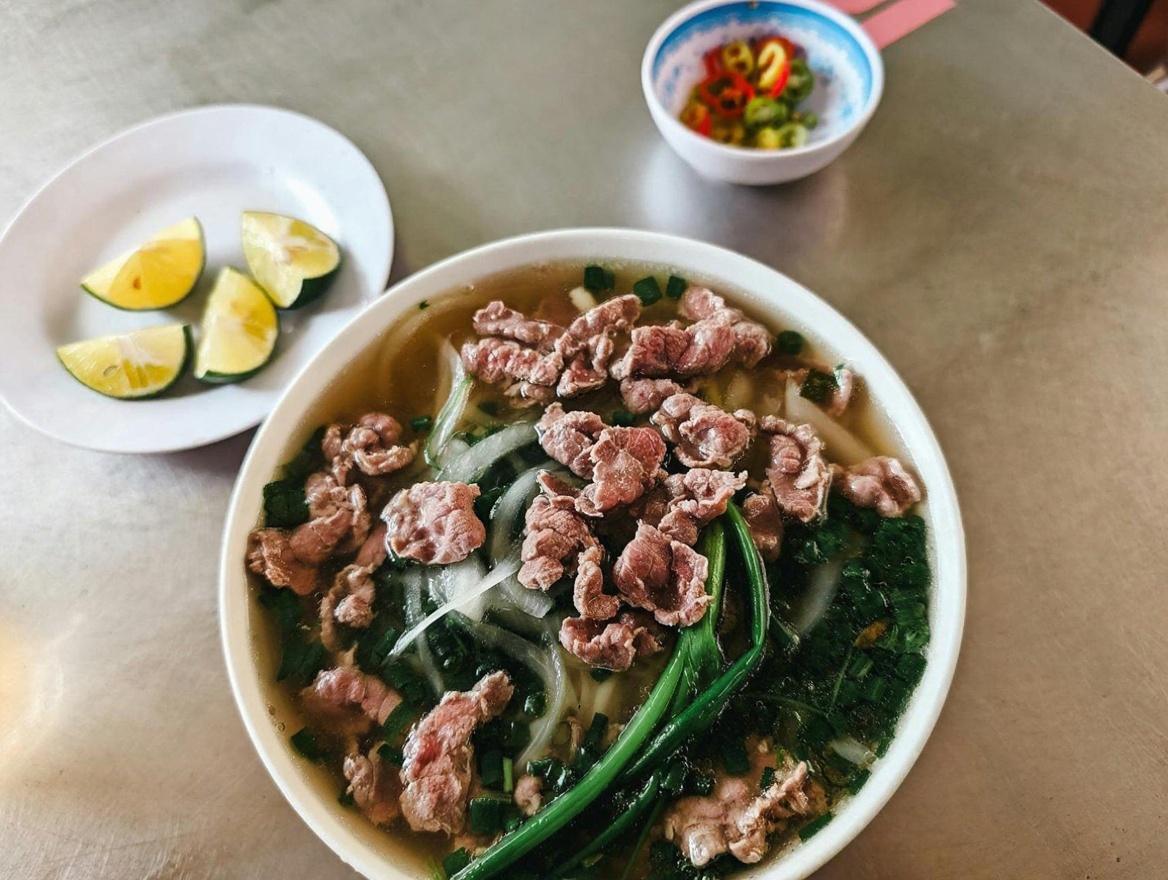
One Reddit traveler put it well: “pho isn’t just about the meat, it’s about the broth.” That’s more true than it sounds. A bowl of northern pho lives or dies by its clear broth — if the stock is muddy or lacks depth, there’s nowhere to hide. Southern pho has more moving parts. The sweetness, the herbs, the sauces — they create a more forgiving dish but also a more complex one.
⚠Real Talk
Adding hoisin sauce and sriracha to phở bắc in Hanoi is technically fine but will earn you a quiet side-eye from the person behind the counter. It’s like putting ketchup on a fine steak. Nobody will stop you. But they’ll notice.
How to Decode the Pho Menu
Walk into a pho stall and you might get a menu, or you might just get someone pointing at a chalkboard. Either way, these are the terms you need to know.
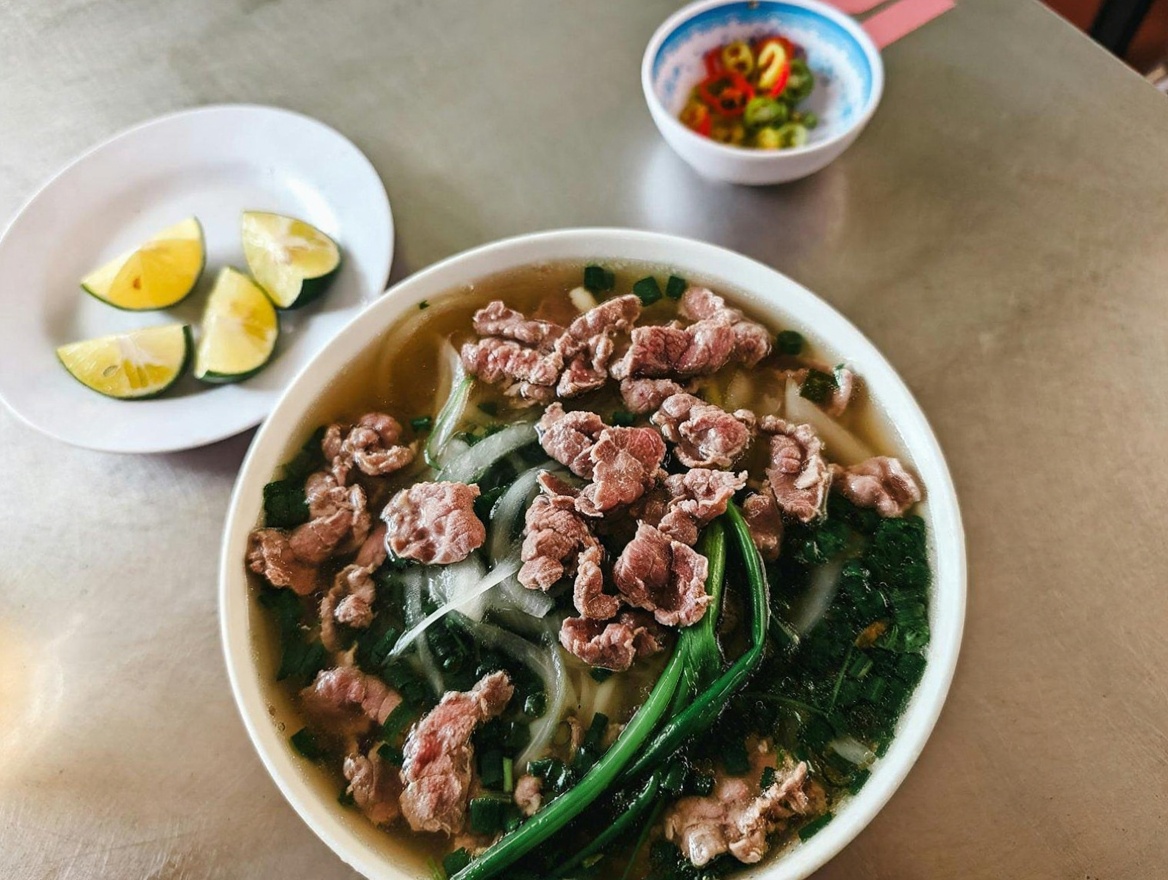
The dish is usually listed as phở bò (say: fuh buh) — beef pho. The chicken version, phở gà (say: fuh gah), exists but is a different conversation. Here’s how the beef breaks down:
- Phở tái (say: fuh tai) — thinly sliced raw beef added at the last second so it barely cooks in the hot broth. The broth turns it from translucent pink to pale grey as you eat. This is the move.
- Phở chín (say: fuh cheen) — fully cooked brisket or flank. More forgiving, less exciting. Good if you’re squeamish about pink beef.
- Phở tái chín (say: fuh tai cheen) — half raw, half cooked. Hedge your bets.
- Phở nạm (say: fuh nahm) — flank steak, slow cooked, sliced thick. More texture, more chew.
- Phở gầu (say: fuh goh) — fatty brisket. Rich. Heavy. The one locals order when they want to feel full for six hours.
- Phở gân (say: fuh gun) — tendon. Collagen-heavy, gelatinous. An acquired texture that converts people.
Most people order phở tái nạm (raw sliced beef + flank) as the default combination — you get rare and cooked beef in the same bowl. At most local places you just hold up two fingers and they’ll know what you mean.
↗Insider Tip
At old-school Hanoi stalls, the serving size options are small (nhỏ), medium (vừa), and large (lớn — say: lun). The small is already a full bowl by Western standards. Order medium unless you’re coming back from a 6-hour motorbike ride.
On the side: always order quẩy (say: kway) in Hanoi — the fried dough sticks you tear up and dip into the broth. They cost 10,000 VND (~$0.40) each and make the bowl. In Saigon, ask if they’re available — they often aren’t.
Where to Eat Pho in Hanoi
Hanoi pho is a breakfast religion. The city’s best spots open at 6am, close when the pot runs out (usually noon or earlier), and have been making the same recipe for decades. The good news: they’re not hidden. The bad news: neither are the tourist traps.
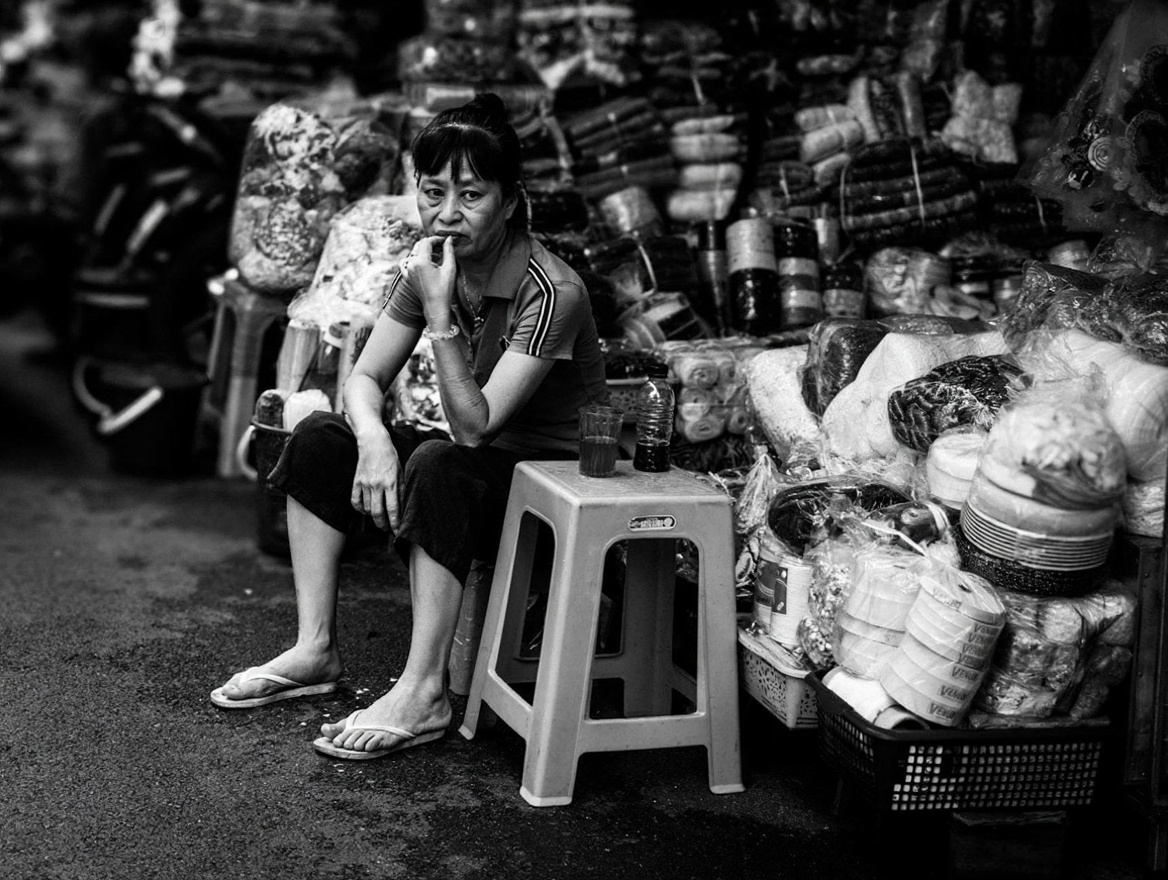
Phở Bát Đàn at 49 Bát Đàn, Hoàn Kiếm (21.0330° N, 105.8470° E) is the honest answer when someone asks where to start. It’s loud, it’s cash only, and there’s always a queue out the front. They don’t give you a menu. They don’t take orders in the traditional sense. You shuffle forward, you get a bowl, you sit at a shared table with strangers, and you eat. The broth has been running on the same family recipe for over 50 years. A bowl costs 60,000–70,000 VND (~$2.30–$2.70). Go before 8am or wait 20 minutes.
→Who It’s For
Phở Bát Đàn is for travelers who want to eat where Hanoians eat, not where guesthouses send tourists. Skip it if you need an English-language menu, air conditioning, or more than 40 minutes for breakfast.
Phở Thìn at 13 Lò Đúc, Hai Bà Trưng (21.0220° N, 105.8520° E) is the polarising one. The beef here is wok-fried in garlic before it hits the bowl — a technique that divides people cleanly. Half the crowd thinks it’s the best pho in Hanoi. The other half thinks it misses the whole point of pho (the beef should cook in the broth). Jake’s take: it’s a separate experience, not a better one. Try it after you’ve had classic-style pho. Hours: 6am–2pm, 5:30pm–9pm. About 65,000–80,000 VND (~$2.50–$3.10).
Pho 10 at 10 Lý Quốc Sư, Hoàn Kiếm (21.0290° N, 105.8490° E) is the safe choice — solid broth, reliable consistency, English-language menu, and central location near St Joseph’s Cathedral. It has 1,900+ TripAdvisor reviews (4.1/5 stars) and is ranked in the top 200 in Hanoi. The fact that it’s this well-reviewed tells you it’s good. The fact that it has this many reviews also tells you it’s not where you’ll rub elbows with locals at 6am. Open 6am–2pm, 5:30pm–10pm. About 65,000 VND (~$2.50) per bowl.
★Jake’s Pick
Phở Bát Đàn is my starting point every time I bring someone new to Hanoi pho. No English menu, no ceremony — just the bowl. The queue is part of it. Don’t skip it.
Phở Gia Truyền at 29 Bát Đàn (21.0340° N, 105.8470° E) sits a minute’s walk from Phở Bát Đàn and serves a similar style — family recipe, raw beef sliced fresh to order, broth simmered overnight. Slightly fewer tourists, slightly more locals. Open 6am–noon only. Cash only. 55,000–65,000 VND (~$2.10–$2.50).
One thing to pair with the pho run: walk Bát Đàn Street itself afterward. It’s in the northern edge of the Old Quarter — the streets here still follow the old trade system where each road sold a single thing (paper on Hàng Giấy, bamboo on Hàng Tre, tin on Hàng Thiếc). The smell of the morning markets — wet greens, incense from corner shrines, diesel from the first wave of motorbikes — is the context your bowl of pho lived inside for the last hundred years.
Where to Eat Pho in Ho Chi Minh City
Saigon pho is an all-day affair. The city doesn’t have the same early-morning-only religion as Hanoi — some of the best spots are open until 10pm, 11pm, even later. The broth is richer, the presentation is bigger, and the herb plate comes whether you asked for it or not.
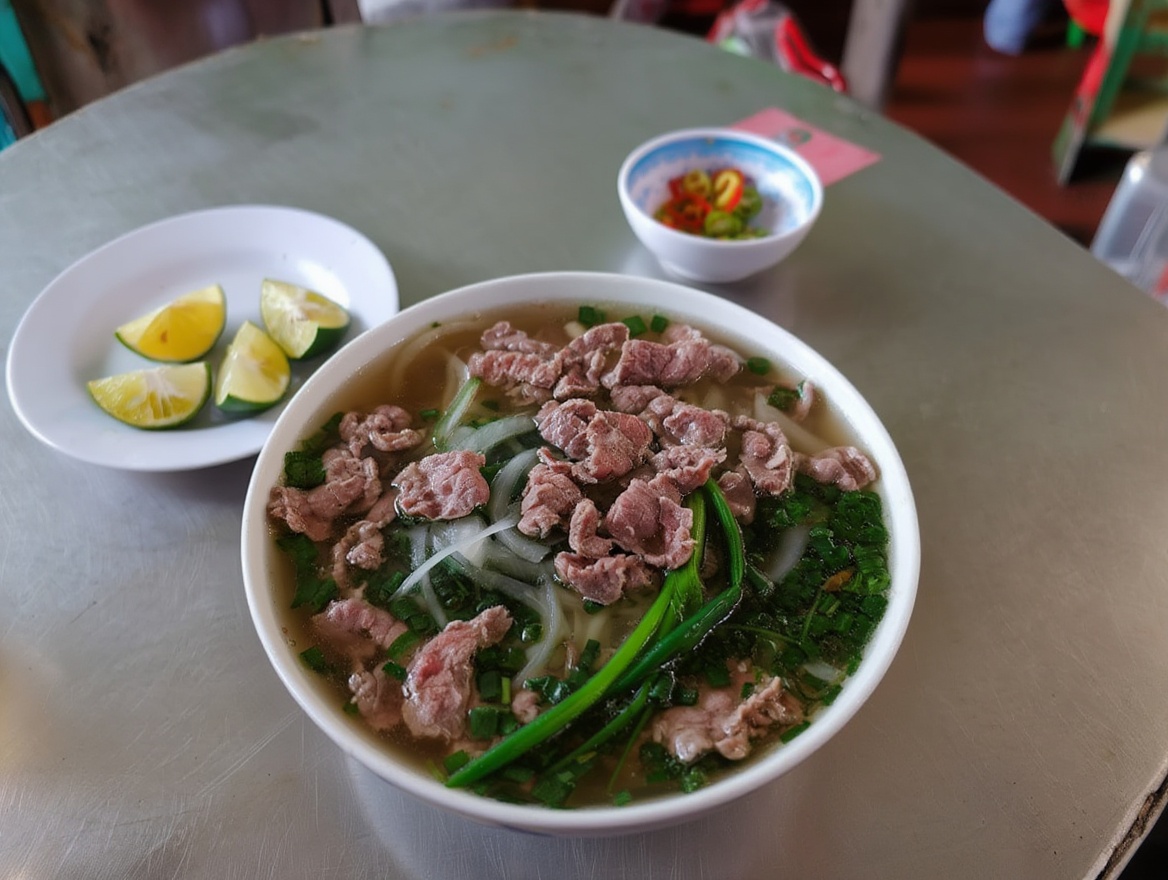
Phở Hòa Pasteur at 260C Pasteur, District 3 (10.7760° N, 106.6920° E) has been open since 1960. That’s not a marketing claim — you can feel it in the bones of the place. The room is functional to the point of austerity: white tiles, fluorescent lighting, plastic chairs that have probably held a million different bottoms. The broth is richer than anything you’d get in Hanoi — darker, sweeter, with a depth that takes all day to build. A bowl runs 80,000–120,000 VND (~$3.05–$4.60). Open from 6am to 10pm daily. Worth the slight premium.
→Who It’s For
Phở Hòa Pasteur is for anyone who wants to eat southern-style pho done correctly, without having to navigate a chaotic street stall. Locals still eat here. The location in District 3 is worth the 10-minute Grab ride from District 1.
Phở Lệ at 413–415 Nguyễn Trãi, District 5 (10.7620° N, 106.6780° E) is the Chinatown option — deeper in the city, less tourist-facing, and technically part of the Cho Lon (say: choh lon) neighborhood that blends Vietnamese and Chinese food culture. The tendon here is exceptional. The broth has a slight sweetness from rock sugar. Open from roughly 6am–2pm. About 70,000–90,000 VND (~$2.70–$3.45).
Phở Việt Nam at 14 Phạm Hồng Thái, Bến Thành, District 1 (10.7710° N, 106.6940° E) is on the Michelin Bib Gourmand list — which is either a recommendation or a warning, depending on who you ask. A YouTube reviewer in 2024 called it “very touristy” with the broth “a little thicker” than expected and the price “slightly on the higher side.” That’s an accurate read. The quality is real. The atmosphere is curated. Go if you want air conditioning and a menu with photos. Open 6am–3am. About 80,000–120,000 VND (~$3.05–$4.60).
After eating in District 3: the stretch of Phạm Ngọc Thạch near the Reunification Palace is worth the post-pho walk. The wide French colonial boulevards here feel completely different from District 1’s Ben Thanh tourist core — quieter, shadier, and you’ll find proper street coffee vendors (cà phê đá, say: kah feh dah) setting up on the footpath by 7am. Get one. Sit. Let the sugar hit.
Pho Beyond the Big Two: What the Rest of Vietnam Offers
Hanoi and Saigon have the most famous versions, but the pho story doesn’t start or end there.
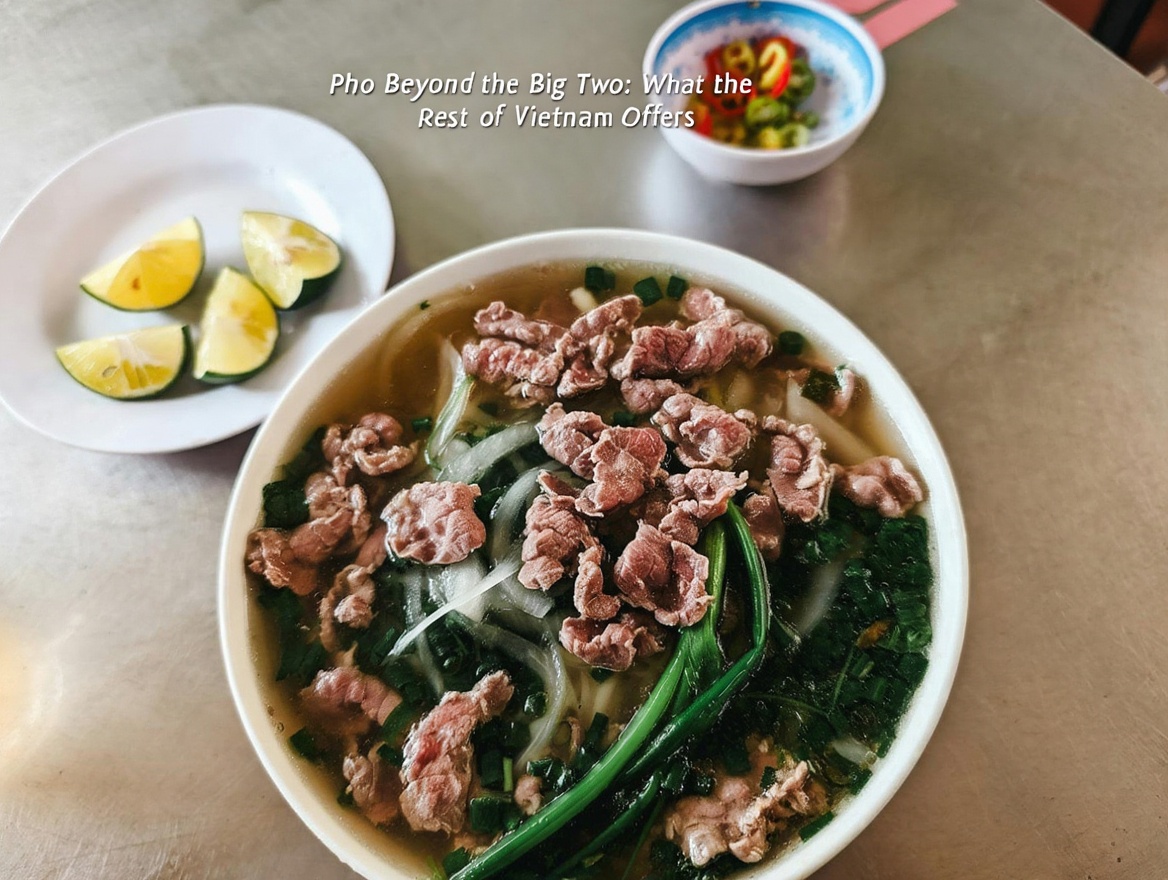
Nam Định, about 90km south of Hanoi by train, claims to be the birthplace of phở. The local style uses thinner, more delicate noodles and a broth that’s lighter than even northern Hanoi pho. Eating here costs 25,000–40,000 VND (~$0.95–$1.55) — the cheapest you’ll find in Vietnam. Most travelers don’t make it to Nam Định specifically for pho, but if you’re passing through the Red River Delta, it’s worth the stop and costs almost nothing.
Da Nang is technically central Vietnam, where bún bò Huế (spicy lemongrass beef noodle soup) is the regional obsession — but pho restaurants exist throughout the city for travelers who need the familiar. Local pho here tends to lean slightly southern in style. Prices: 50,000–70,000 VND (~$1.90–$2.70).
Hội An is the tricky one. Hoi An is famous for cao lầu (say: kow low) and mì Quảng (say: mee kwang) — its own noodle dishes that are categorically better than anything you’ll find in a tourist-facing pho restaurant in town. If you’re in Hoi An, save your noodle budget for those instead. For more on Hoi An’s food scene specifically, see our guide to things to do in Hoi An.
ℹKnow Before You Go
In central Vietnam, bún bò Huế (say: boon boh hweh) — spicy beef noodle soup with lemongrass and shrimp paste — is the breakfast dish that locals actually care about. It’s richer, hotter, and more complex than pho. Try it before you die. It costs about the same.
How to Eat Pho Without Looking Like You’ve Never Done This Before
You’re going to be sitting at a table with three strangers and a bowl of soup. Here’s how to not make it weird.
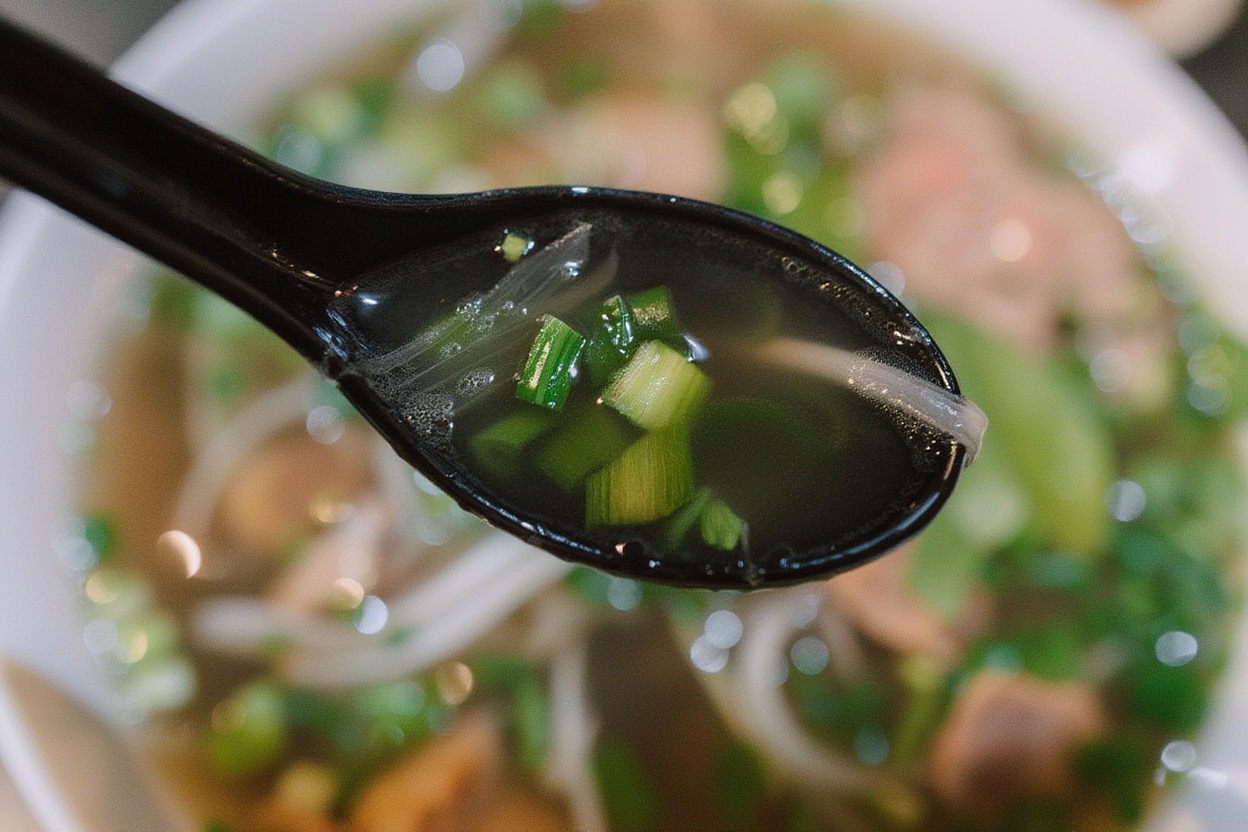
The equipment: you get chopsticks and a spoon. The chopsticks are for the noodles and meat. The spoon is for the broth. Use both at the same time — one in each hand. This is the technique. Lifting the bowl and drinking directly from it is accepted in casual settings but not in nicer spots.
Garnish timing: In the south, the herb plate is added to the bowl immediately. Don’t add it all at once — the basil wilts within two minutes. Add herbs progressively. Squeeze lime in early. Bean sprouts go in whenever (they cool the broth slightly, which some people like).
In the north: the garnish situation is minimal. There may be a plate of fresh chili slices, lime wedges, and vinegar. A small spoonful of vinegar into the broth adds acidity and can be transformative. Fresh chili goes in directly. Hoisin and sriracha are usually available but used lightly — if at all.
The broth matters more than you think: Drink it. Don’t leave it. A properly made broth from eight hours of bones, charred ginger, star anise, and cinnamon is the whole point of the exercise. The noodles and beef are almost secondary. If the broth tastes flat, watery, or slightly chemical, you’re at the wrong place.
Don’t sit with your feet pointed at the altar: Many local pho shops have a small ancestral altar near the counter or wall. It’s not a table decoration. Move your chair if needed.
My Pho Mistake (The Expensive Lesson)
First week in Hanoi, 2021. My guesthouse owner recommended a pho place “just around the corner.” The place was called something forgettable, had laminated menus with English translations and photos, and charged 150,000 VND (~$6.60) for a bowl. I paid it without thinking. The broth was good — not great. The beef was soft. The experience was fine.
Two days later I found Phở Bát Đàn. Sixty-something thousand đồng. No menu. No English. A queue of office workers in short sleeves. The broth hit me differently — the kind of clarity that only comes from a long, careful simmer, the way you can taste the cinnamon as a background note rather than a flavoring. The beef went in raw and came out barely cooked, still pink in the middle.
I went back the next morning. And the morning after that. The guesthouse-recommended place I never went back to.
The lesson: ask a Vietnamese person where they eat pho, not your guesthouse. The interests are not aligned.
What to Pay: Real Pho Prices in 2026
Price is actually one of the most reliable quality indicators for pho. Not because expensive = good — the opposite is often true. Because the best pho spots have been charging the same price for 20 years and have no interest in changing it.
⚠Real Talk
One Reddit traveler spent 5 days in HCMC eating pho at a different restaurant every day and still felt disappointed. His frame was probably American pho — bigger portions, more accommodating broth, beef that’s been graded and dry-aged. Vietnamese pho uses the whole animal, the cuts are different, and the experience is about the broth, not the beef. Adjust expectations or switch to bún bò Huế, which is objectively more interesting anyway.
How Pho Fits Into a Broader Vietnam Itinerary
Pho alone doesn’t define Vietnamese food. It’s the entry point — recognizable, safe, and genuinely good when you find it right. But Vietnam’s noodle ecosystem is enormous: bún bò Huế in the center, mì Quảng and cao lầu in Hội An, hủ tiếu (say: hoo tyew) in Saigon and the Mekong Delta. Each region has its own noodle obsession, and they’re all worth your time.
If you’re building a food-focused itinerary through the country, our Vietnam itinerary guide covers the routing in detail — including which cities are worth slowing down for food vs. which ones you can move through quickly. For the full Hanoi food picture beyond pho, the Hanoi street food guide has the other dishes you shouldn’t miss: bún chả, bánh cuốn, phở cuốn, and the egg coffee situation.
Two things worth sorting before you land: a Vietnam eSIM so you have data the moment you clear customs, and travel insurance — medical costs for uninsured foreigners in Vietnam are significant.
Airalo eSIMs activate instantly. Buy before departure — airport SIM queues in Vietnam can take 30+ minutes.
Frequently Asked Questions
How do you pronounce phở correctly?
Phở is pronounced roughly like “fuh” — one syllable, with a falling tone. The “ph” is like an English “f.” The Vietnamese tone marks are crucial: the word with a different tone means something completely different. “Foe” is wrong. “Fur” is closer. Practice “fuh” and you’ll be fine. Vietnamese people appreciate the effort, even if it’s not perfect.
Is pho always a breakfast food in Vietnam?
In Hanoi, yes — the best spots open at 6am and are sold out by noon. The logic is that the broth is freshest in the morning, made overnight and served immediately. In Ho Chi Minh City, pho is more of an all-day dish, with many restaurants open until 10pm or later. In Saigon, eating pho for dinner is completely normal. In Hanoi, it’s breakfast or it’s a different meal.
What’s the difference between pho and other Vietnamese noodle soups?
Phở uses flat rice noodles (bánh phở) and a beef or chicken bone broth spiced with star anise, cinnamon, cloves, and charred ginger. Bún bò Huế uses round rice noodles in a spicy lemongrass broth with pork and shrimp paste — completely different flavor profile. Hủ tiếu uses thinner rice noodles in a lighter pork broth, common in southern Vietnam and the Mekong Delta. Each is regional, each is distinct. Treating them as variations of each other is a mistake.
Is pho safe to eat from street stalls in Vietnam?
Yes, with standard street food judgment. Look for: high turnover (lots of locals eating), broth that’s been simmering hot all morning (pathogens can’t survive that temperature), and a busy pot that gets refilled rather than a quiet one that’s been sitting. The most dangerous pho in Vietnam is probably the expensive tourist restaurant version left warming in a chafing dish — not the street stall with 40 people eating at 7am.
What are the best pho restaurants in Hanoi for first-timers?
Start with Phở Bát Đàn at 49 Bát Đàn, Hoàn Kiếm — no English menu, queue out the front, opens 6am, closes when the pot runs out. It costs around 60,000–70,000 VND (~$2.30–$2.70) and represents northern-style pho as close to the source as you’ll get in a tourist-accessible neighborhood. Pho 10 at 10 Lý Quốc Sư is the English-menu version for when you want an easier entry point.
What should I order on my first bowl of pho in Vietnam?
Phở tái nạm — raw sliced beef plus flank steak, medium size. Add quẩy (fried dough sticks) if you’re in Hanoi. In the south, let the herb plate come, add a little at a time, squeeze in lime early. Don’t drown it in hoisin sauce your first time — taste the broth first. Adjust from there. The broth is the whole point.