Last updated: — prices verified.
This is the 1 month Vietnam itinerary I’d hand to a friend: real structure, built-in breathing room, and enough honest warnings that you won’t spend Day 3 on a toilet in Hanoi wondering where you went wrong. The route goes north-to-south because that’s how the weather logic works and how the trains run. It assumes you want to actually remember the places you visit.
✓Quick Answer
A month in Vietnam is enough for the full north-to-south route — Hanoi + one northern detour (Ha Giang or Sapa), central Vietnam (Hue, Phong Nha, Hoi An), and the south (Nha Trang, HCMC). Build in 4–7 buffer days. If you don’t, you’ll lose them anyway to delays, illness, or a place that won’t let you leave.

The Honest Truth About One Month in Vietnam
Here’s what Reddit gets right that travel blogs won’t say: the first-timers who rush Hanoi, Ninh Binh, Ha Giang, Ha Long, Sapa, Hue, Da Nang, Hoi An, Nha Trang, and HCMC in 30 days don’t come back raving about Vietnam — they come back exhausted. One Redditor who’s lived in Asia for years put it plainly: “Everybody goes to Vietnam the first time and visits Hanoi and Ho Chi Minh. The second time they go to Sapa and Ha Giang, and that’s the one they appreciate ten times more.”
A month is actually enough time to go deep — if you make one decision early: pick a north focus OR a south focus, not equal parts of both. The itinerary below leans slightly north-heavy, because the north has higher variance experiences (Ha Giang Loop, Ninh Binh) and requires more time per destination.
⚠Real Talk
Every flight between Vietnam cities deletes half a day — check-in, airport time, arrival transfers. If you budget 8 cities in 30 days with 7 flights, you’ve quietly traded 3–4 full days for airports. Factor this before you hit “confirm” on anything.
The Full One-Month Vietnam Route
Here’s how the 30 days break down across the country, with the logic behind each allocation:

Days 1–4: Hanoi — Don’t Rush This Part
Hanoi is where Vietnam punches you in the face for the first time. Not unpleasantly. Just suddenly. The smell of charcoal and fish sauce, the motorbikes materializing from every direction, the way the city doesn’t apologize for itself. Give it four nights, not three — you need one to adjust, one to eat, one to wander, and one to figure out which version of this city you actually like. If you lean south, our southern Vietnam guide breaks down exactly how to allocate time between HCMC, the Mekong, and the coast.
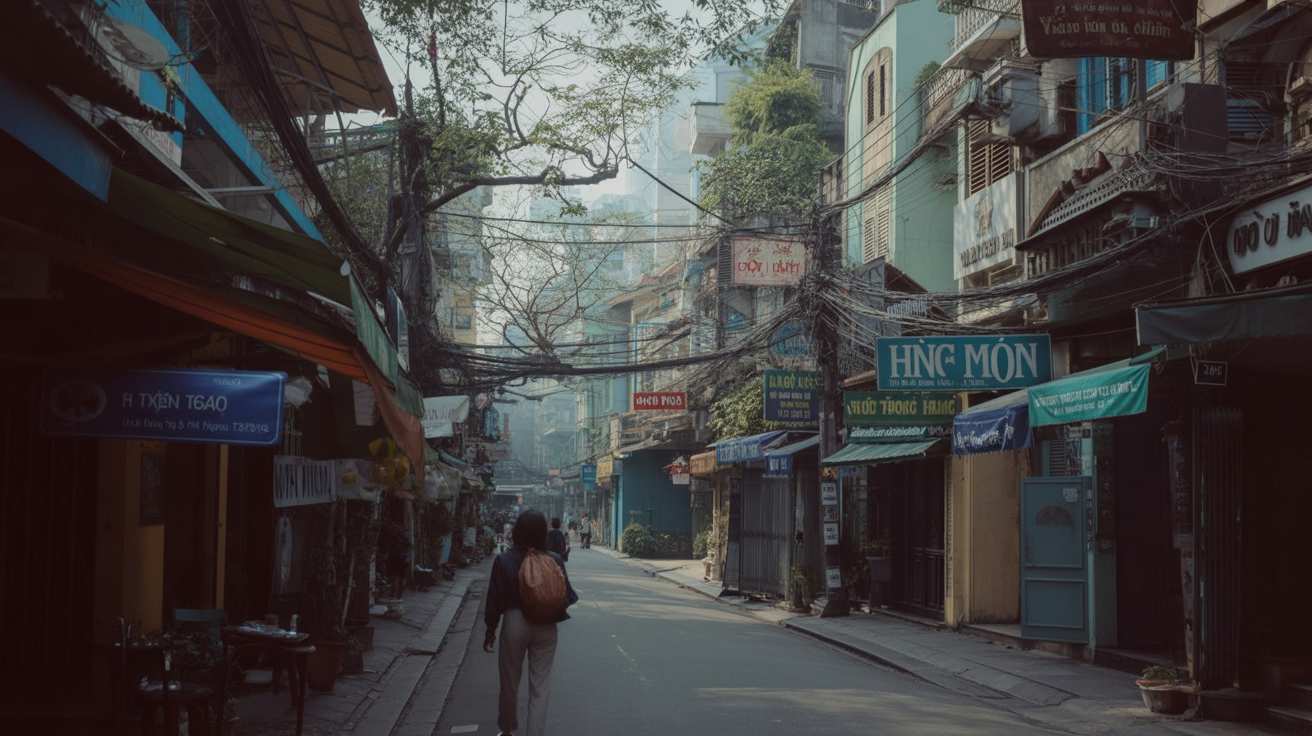
The practical case for four nights: you want one full day in the Old Quarter (the 36 Streets and Hoan Kiem Lake), one day for museums and the West Lake neighborhood (here’s how to choose where to stay), and half a day for whatever Hanoi grabs you with that you didn’t plan for. Always something.
↗Insider Tip
Book accommodation in the Old Quarter for the first 2 nights, then decide if you want to move to West Lake for nights 3–4. West Lake is quieter, more local, better for the “I actually live here” feeling. Old Quarter is better for meeting other travelers and being close to everything. Both have their moment.
Sleep: Dorm beds run 100,000–300,000 VND (~$4–12) in Old Quarter hostels. Private rooms from 600,000–800,000 VND (~$23–30) for decent budget options, 1,200,000–2,000,000 VND (~$46–76) for solid mid-range. The budget hostel scene here is genuinely good — full breakdown here.
Days 5–6: Ninh Binh — Two Nights, Not a Day Trip
A lot of month-long Vietnam itineraries treat Ninh Binh as a day trip from Hanoi. That’s the wrong call. The caves and karsts earn their reputation — but not when you’re squinting at them from a bus window with one eye on the departure time.

Two nights in Ninh Binh buys you: Trang An boat tour (3 hours, 200,000 VND/~$8, three cave passages) on Day 1 afternoon, Mua Cave at 7am on Day 2 before the crowds hit the 500 steps, and a late morning with an honest side-by-side of Trang An vs Tam Coc to see which one you’re glad you didn’t skip.
Stay in Tam Coc village, not Ninh Binh town. The town has nothing for you. Here’s where to sleep. Transport: limousine van from Hanoi’s Giap Bat station, 150,000–200,000 VND (~$6–8), door to hotel. Getting the overnight journey sorted first — our Hanoi to Sapa transport guide covers every option and which limousine van companies actually show up on time.
Days 7–11: Ha Giang Loop — The One That Changes Things
I’m going to be honest about what happened when I first tried to do the Ha Giang Loop in 3 days. I came back with photos that looked like everyone else’s photos and a vague sense that I’d moved too fast to actually feel anything. The Ma Pi Leng pass deserves to be sat on for an hour, not photographed at a sprint. The second time I did 4 days, stayed in Đồng Vân (say: dong van), and ate at a family kitchen with 12 strangers. That’s the one I remember.
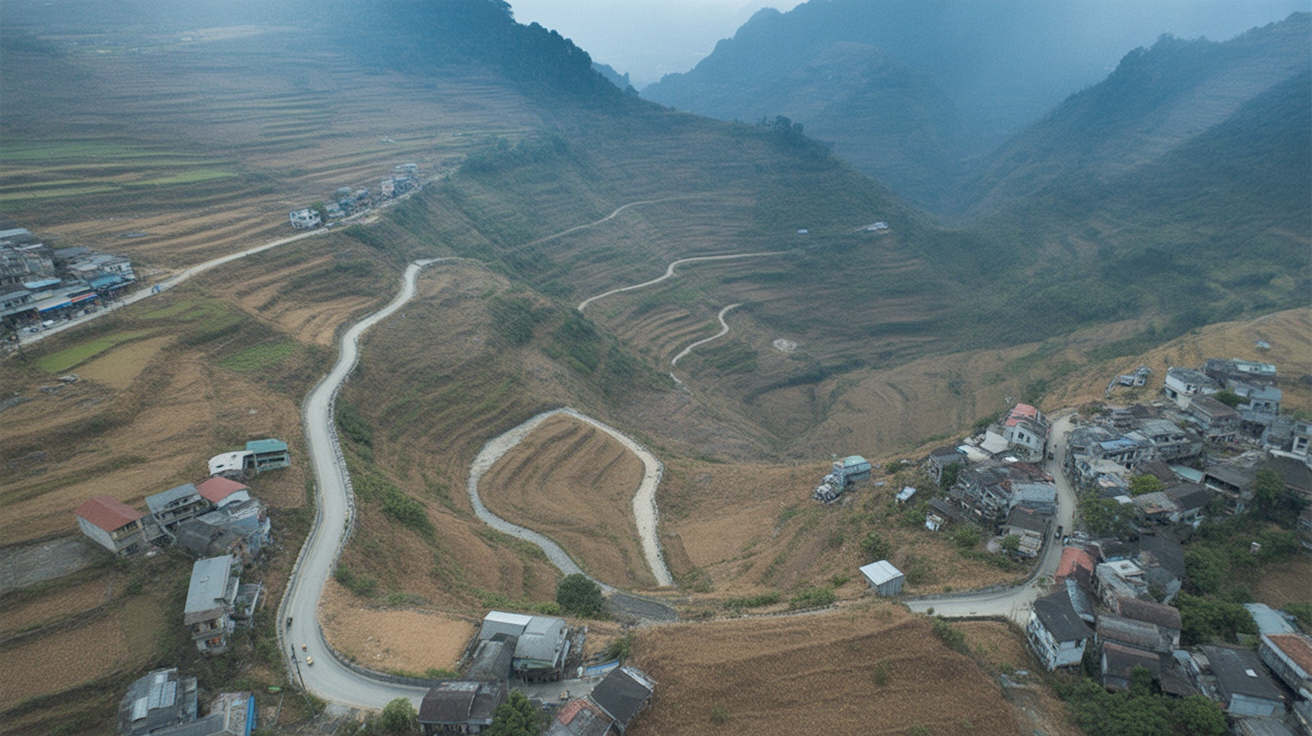
Four days is the minimum. Five is better if you want the Mèo Vạc (say: meo vak) Saturday market. The loop covers roughly 300km of mountain road through the Đồng Văn Karst Plateau UNESCO Geopark — Ha Giang → Quản Bạ → Yên Minh → Đồng Văn → Mèo Vạc → back. You’ll need a permit for the restricted zone: 250,000 VND (~$10), arranged through your guesthouse.
Klook has the widest selection for Vietnam and is usually the cheapest. KKday is strong on day trips and local experiences.
VND/day (~$7–10). If you’ve never ridden, an easy rider guide costs 4,800,000–6,000,000 VND (~$192–240) for the full 4-day loop — worth every đồng if mountain passes at altitude with no guardrails sounds like it deserves a professional alongside you. Full motorbike guide here and the complete loop breakdown.
ℹKnow Before You Go
Ha Giang Loop roads are genuinely technical in places — narrow, steep, gravel patches. If you haven’t ridden a motorbike in the last 6 months, do not hire one in Ha Giang expecting to figure it out. The easy rider option isn’t weakness — it’s judgment. Budget travelers go self-drive; travelers who want to look at the view instead of the road go easy rider.
Getting to Ha Giang from Hanoi
Overnight bus from Hanoi My Dinh bus station: 250,000–550,000 VND (~$10–22) depending on the service. VIP cabin sleepers run 350,000–600,000 VND (~$13–23) — the price difference for a flat surface and actual sleep is worth it. Book via the full Hanoi to Ha Giang guide.
Days 12–14: Sapa — Or Swap It for Ha Giang
The honest answer on the Sapa question: if you do Ha Giang (5 days), skip Sapa on this trip. Trying to do both is physically possible but emotionally counterproductive. You’ve just come off 300km of mountain roads — adding a 7-hour overnight train ride to Sapa and another 3 days of climbing means you’re running a logistics marathon, not slow-traveling Vietnam.
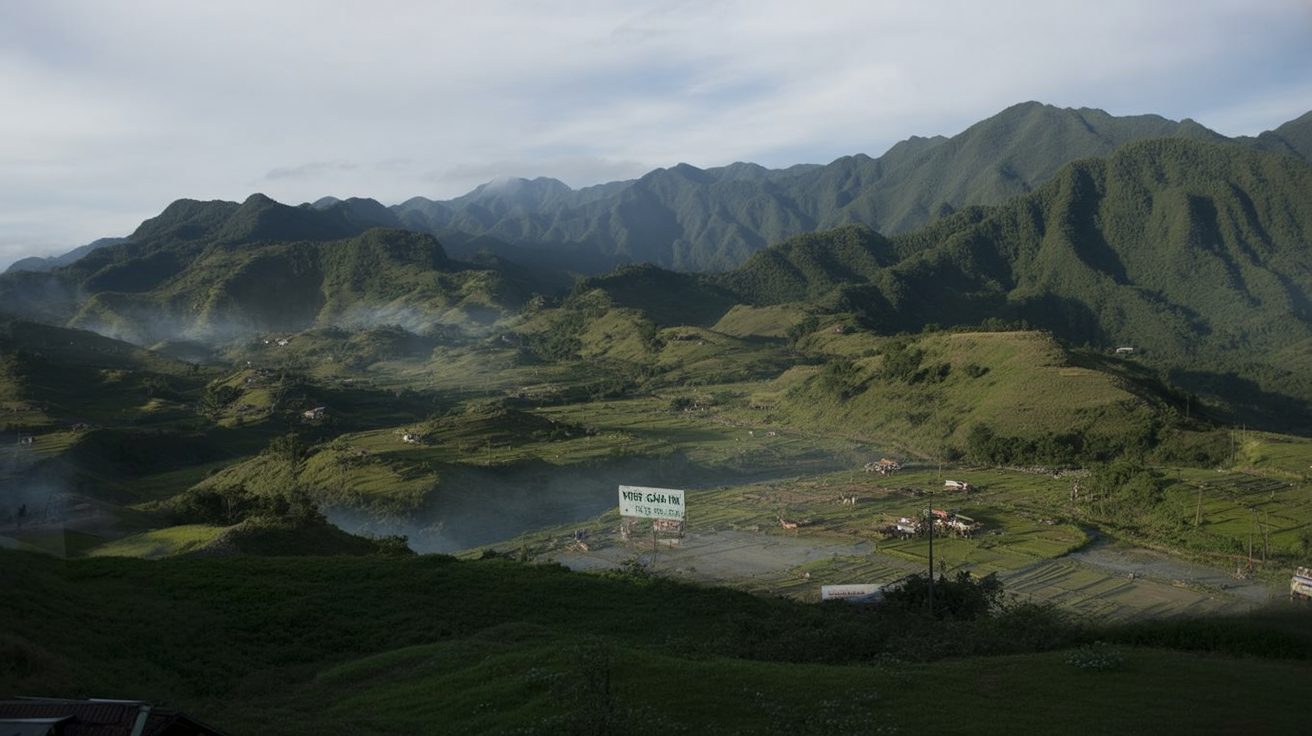
Choose one: Ha Giang if you want raw, off-grid, genuinely few-tourists-around mountain Vietnam. Sapa if you want organized trekking infrastructure, better accommodation options, and the rice terrace photography. The north Vietnam itinerary breaks this decision down in detail with a comparison table. If you choose Sapa: overnight train from Hanoi (not from Ha Giang — come back first), 3 nights minimum, 2 trekking days.
Days 15–16: Hue — The One Everyone Underestimates
Most people give Hue 1 day. Those people miss the best bún bò Huế (say: boon baw hway) on the planet, at least three imperial tombs they genuinely wanted to see, and an entire city that operates at a pace completely unlike the tourist circuit they’ve been on for two weeks.
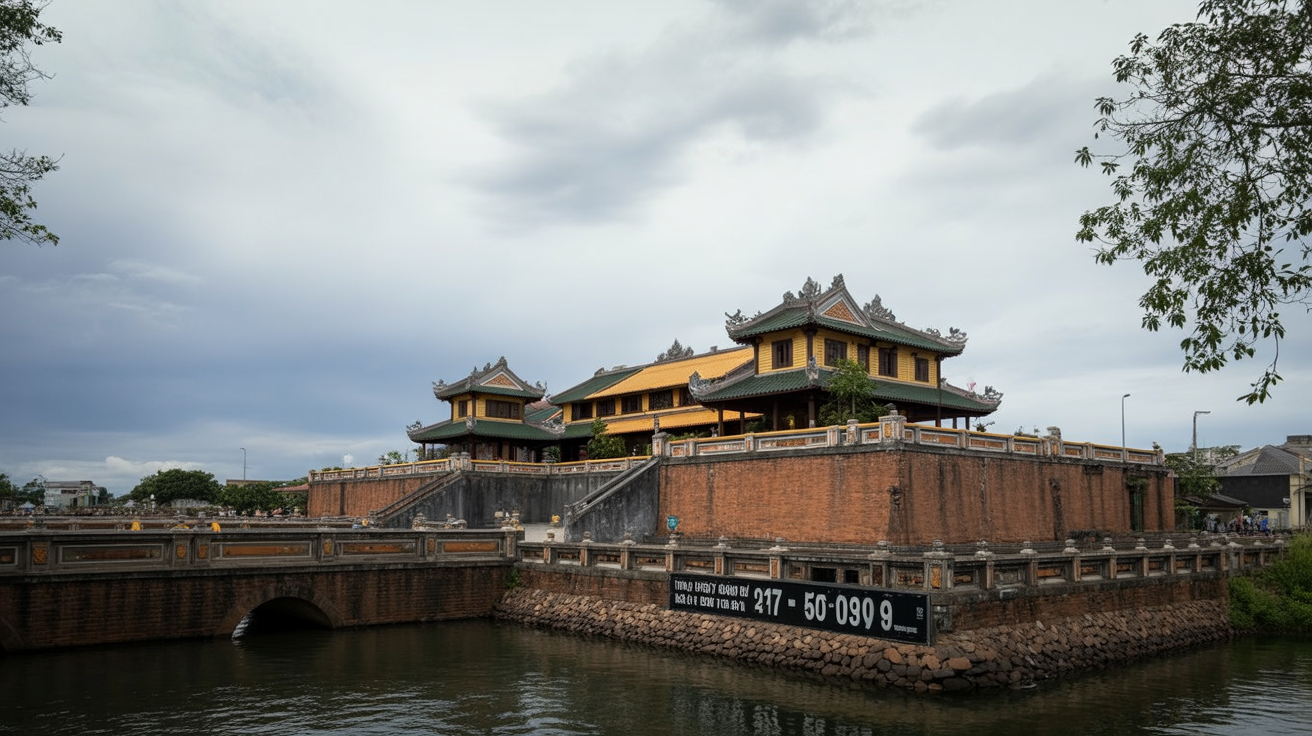
Two nights in Hue: Day 1 for the Imperial Citadel (150,000 VND/~$6) and the Old City streets around it. Day 2 for a rental motorbike loop through the royal tombs — Khải Định (say: khai dinh) is the most dramatic, Minh Mạng (say: ming mang) is the most peaceful. Eat at a street stall on Trần Phú (say: tran foo) street every morning. The bún bò at the market costs 25,000–40,000 VND (~$1–1.60). Order it and don’t ask what’s in it.
Days 17–18: Phong Nha — The Cave Country
Phong Nha is the place on the itinerary that surprises everyone who actually goes. It’s also the place that most people cut first when they’re behind schedule. Don’t cut it.

Two nights gives you: Paradise Cave on Day 1 (the wooden boardwalk stretches 1km into the mountain — 250,000 VND/~$10 entry), Dark Cave on Day 2 if you want the mud bath and zipline experience, and a slow morning at the village before the overnight bus south. The caves here make Ninh Binh look like a warmup. Hang Son Doong (say: hang son dung) — the world’s largest cave — requires a multi-day expedition that costs around $3,000. Worth knowing it exists. Worth knowing it’s not in a 30-day budget trip.
Days 19–23: Hoi An — Let It Take Your Time
Every person who’s ever planned Vietnam in 30 days has under-allocated Hoi An. I include my past self in this. You write “2 nights” in your notes and then you’re on Day 5 and your bus ticket is still in your pocket unopened.
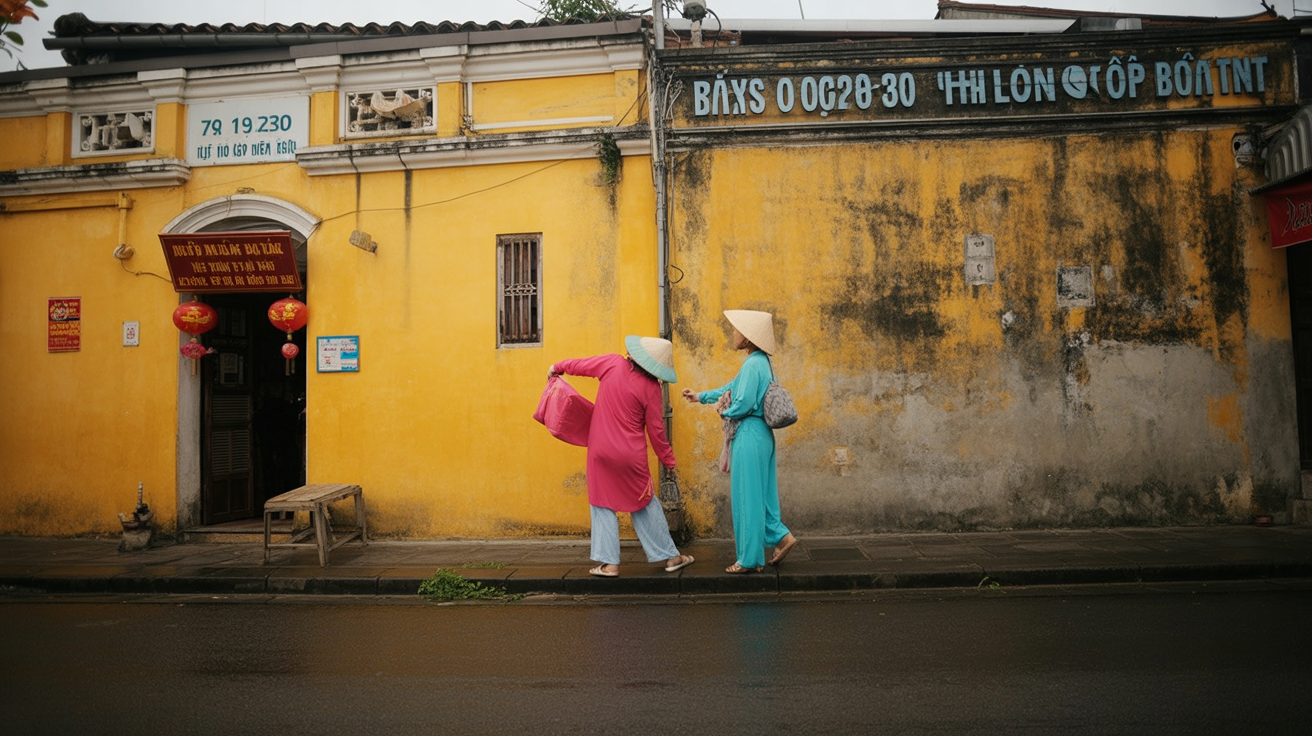
Five nights. Ancient Town for the first two days (the Japanese Covered Bridge, the Merchant Houses, the tailors on Trần Phú). An Bang Beach for Day 3. Cooking class or bike ride through the rice paddies for Day 4. Day 5 is yours — it’ll fill itself. Hoi An is also where you get clothes made if that’s on your list: good tailors need 3–5 days for quality work. Full Hoi An guide here. Our northern Vietnam guide breaks this decision down in detail with a comparison table.
→Who It’s For
Hoi An suits: couples, slow travelers, food-focused travelers, anyone who needs a pause from logistics. It does NOT suit: people who get bored without stimulation, party travelers (it shuts down relatively early), anyone who’s already “done” an Ancient Town in Asia and found it underwhelming.
Days 24–25: Nha Trang — Beach, Not Party
Nha Trang has a reputation for Russian package tourism and neon-lit beachfront blocks. The reputation is partially earned. But the beach itself is real, the seafood is excellent, and after 3 weeks of buses and mountain roads, two days horizontal with your feet in sand and a 30,000 VND (~$1.20) coconut in your hand is a legitimate travel decision.
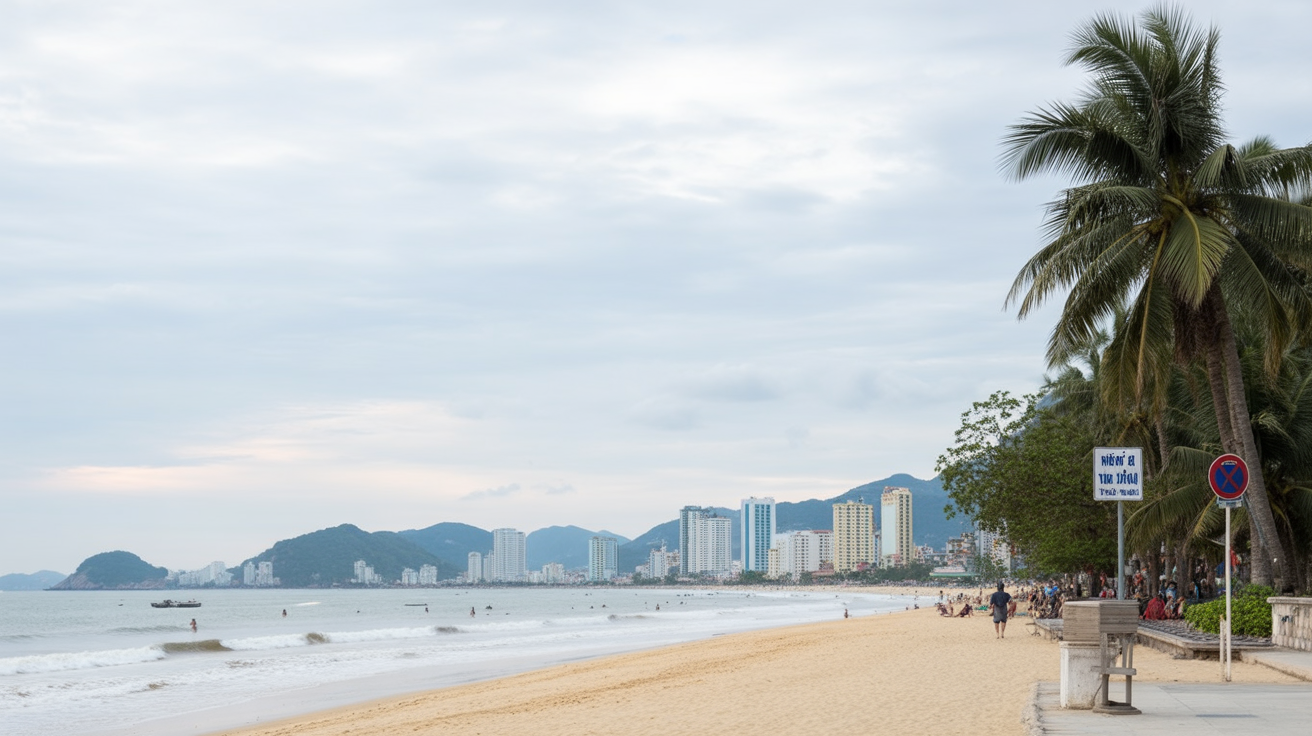
Don’t do the party boat if you’re not there for the party. Do the mud baths at Thap Ba Hot Spring (Tháp Bà, say: thap ba) — 200,000 VND (~$8) — it’s genuinely weird and genuinely good. Fly to HCMC from Cam Ranh Airport (CXR): VietJet and Bamboo Airways run this route for 400,000–1,500,000 VND (~$15–57) if booked in advance.
Days 26–30: Ho Chi Minh City + Mekong Delta
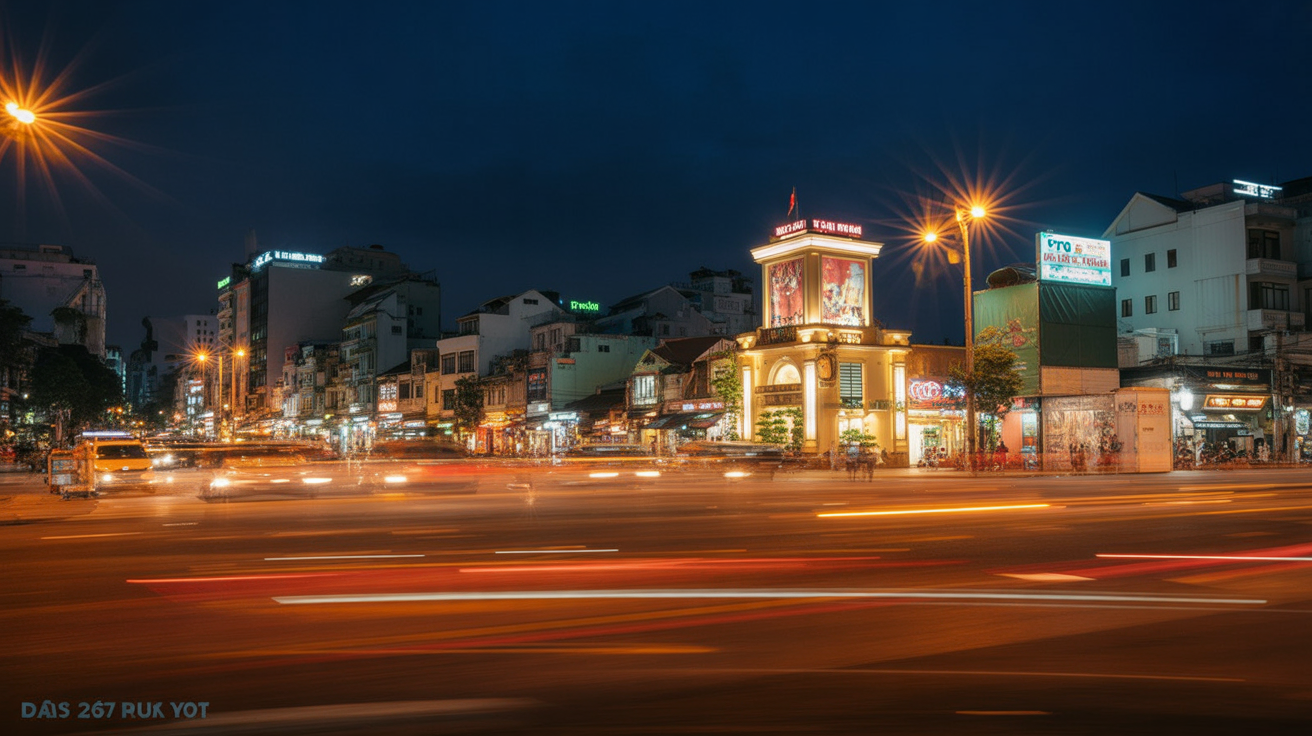
HCMC doesn’t try to be charming. It tries to be enormous and successful and constantly in motion, and it succeeds at all three. Three nights here: War Remnants Museum (40,000 VND/~$1.60 — set aside the whole morning, then have lunch), Ben Thanh Market for food not for shopping, Bến Nghé (say: ben ngay) and District 1 for bars if that’s relevant to you, and the Mekong Delta as a day trip on Day 29.
The Mekong Delta day trip from HCMC covers Can Tho floating market (Cần Thơ, say: can tho) or a boat route through the canals — 400,000–800,000 VND (~$15–30) for organized day tours from Saigon. It won’t be the deep Mekong experience of a multi-day trip, but for a month-long itinerary that’s already covered most of the country, it’s a sensory bookend worth having: the water is glass, mist drifts between coconut groves, and the scale of the delta changes your understanding of how the country feeds itself.
Transport: Getting Down the Country
This is where most one-month itineraries go wrong — they plan the destinations and forget that Vietnam is 1,650km tip to tip. Browse our full Hoi An things to do guide before you arrive — five nights goes faster than you think.

The options in order of my preference:
12Go covers most Vietnam routes — sleeper buses, trains, and island ferries. Compare schedules and book in advance during peak season (Dec–Feb, Jun–Aug).
Train (Hanoi → Hue → Da Nang → Nha Trang → HCMC): The classic Reunification Express. Soft sleeper 4-berth from Hanoi to Hue runs 700,000–1,200,000 VND (~$27–46). Takes 13–14 hours overnight. Book via 12Go Asia — they have English interface and no markup headache. Train is better than bus for the longer southern legs because you sleep while covering distance.
Sleeper bus (Hanoi ↔ Ha Giang, Hue ↔ Phong Nha): 250,000–550,000 VND (~$10–22). Best for the northern routes where trains don’t go. Overnight buses save a hotel night if you’re watching the budget.
Budget flights (HCMC or Da Nang to Nha Trang, Hanoi to Da Nang): VietJet, Bamboo, Vietnam Airlines. Book 3–4 weeks ahead for 400,000–900,000 VND (~$15–35). Fly instead of bus for anything over 10 hours — your back and your time both thank you.
Budget: What One Month Actually Costs
Frequently Asked Questions
Do I need a visa for 30 days in Vietnam?