
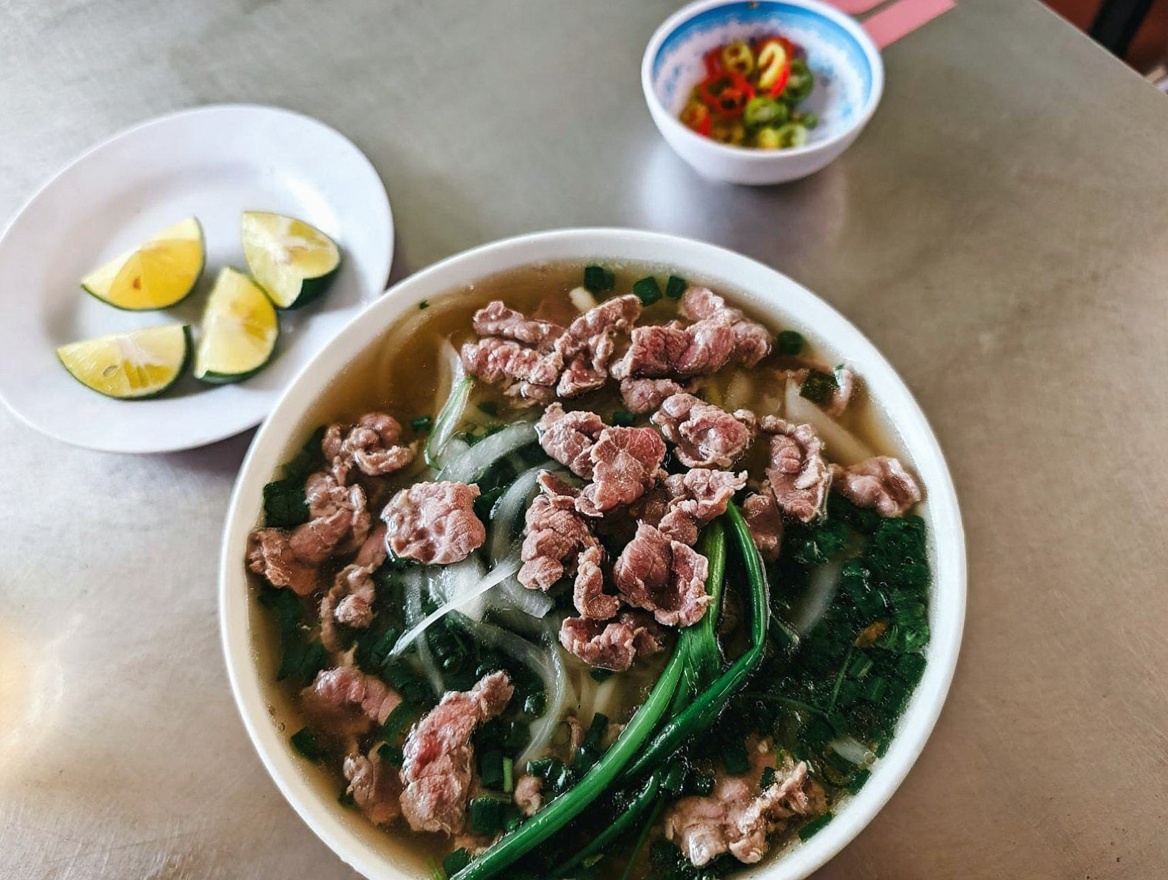
Vietnam is cheap. Not “cheaper than France” cheap — actually cheap, in a way that makes travelers from the US or Europe physically startled the first time they sit down to a bowl of phở that costs 40,000 VND ($1.60) and is better than anything they’ve eaten in months. A budget traveler spending $35–45 per day in Vietnam is eating well, sleeping in a private room, and getting around by train and bus. A mid-range traveler at $70–100 per day has nice hotels, Grab everywhere, and can eat at proper restaurants without watching the bill. The country rewards budget consciousness but doesn’t require it to be enjoyable.
Here’s what things actually cost in Vietnam in 2026, broken down by category and budget tier.
ATM fees in Vietnam add up fast without the right card — our Vietnam credit cards and ATM guide covers which banks charge what and how to avoid the worst fees.
Vietnam Daily Budget by Tier
| Budget Tier | Daily Spend | What You Get |
|---|---|---|
| Backpacker budget | $25–35/day | Dorm bed or cheap guesthouse, all local food, bus/train transport, free/low-cost activities |
| Budget traveler | $40–55/day | Private room at budget hotel, mix of local and tourist restaurants, some Grab rides, paid activities |
| Mid-range | $70–100/day | 3-star hotel, restaurant meals, Grab everywhere, tours and activities freely |
| Comfortable | $120–200/day | 4-star hotel, any restaurant, activities without price-checking, occasional splurges |
| Luxury | $250+/day | 5-star properties, fine dining, private transfers, premium tours |
These are per-person costs including accommodation split as a solo traveler. Couples sharing a room effectively halve the accommodation cost, pushing the daily per-person spend down 20–30% from these figures.
Accommodation Costs
Vietnam has accommodation at every price point. The actual cost ranges in 2026:
Dorm beds (backpacker hostels): 80,000–150,000 VND ($3–6) per night in Hanoi and HCMC. Quality ranges from basic bunk rooms to social hostels with pools and organized activities. Hoi An dorms run 150,000–250,000 VND in peak season.
s range.
Boutique hotels and resorts: 1,500,000–3,500,000 VND ($60–140). Vietnam has excellent boutique properties at this price point — well-designed hotels in converted colonial buildings in Hanoi, rice terrace view lodges in Sapa, beachfront bungalows in Phu Quoc. These are international prices by design, targeting Western visitors.
5-star resorts: $150–500+ per night. The Amanoi, InterContinental Danang, Four Seasons Nam Hai — these properties are comparable in quality and price to luxury resorts anywhere in Southeast Asia.
Rule of thumb: book accommodation on Booking.com or Airbnb for 5–10% cheaper than walk-in rates for the same room. For multi-night stays at smaller guesthouses, negotiate directly for a discount — asking “bớt giá được không?” (can you reduce the price?) for stays of 3+ nights often yields 10–20% off. For a deeper breakdown of what to expect at each price tier, see our Vietnam budget hotels guide.
Food Costs
Food is where Vietnam’s value is most dramatic. Eating locally — sitting on plastic stools at street-level shops, eating in local restaurants rather than tourist-facing places — is extraordinarily cheap:
Local breakfast (phở, bún bò, bánh mì): 30,000–60,000 VND ($1.20–2.40)
Local lunch/dinner (com binh dan — mixed rice plate): 40,000–80,000 VND ($1.60–3.20)
Street snacks (bánh mì, chè, bánh tráng trộn): 10,000–25,000 VND ($0.40–1)
Bia hơi (draft beer, roadside): 10,000–15,000 VND ($0.40–0.60) per glass
Eating three local meals per day costs $5–8 total. This is genuinely what it costs and the food is genuinely good — not budget food as a compromise, but the actual diet of Vietnamese people.
Tourist-oriented restaurants cost more but are still cheap by US standards:
Mid-range restaurant main dish: 100,000–200,000 VND ($4–8)
Western breakfast at cafe: 80,000–150,000 VND ($3–6)
Beer at a bar: 40,000–80,000 VND ($1.60–3.20)
Cocktail at a rooftop bar: 120,000–250,000 VND ($5–10)
A realistic daily food budget: eating locally at $6–10/day, or mixing local and tourist restaurants at $15–25/day. The $40–50/day food budget that would be tight in a European city gets you excellent restaurant meals twice a day with bia hơi evenings in Vietnam.
Transport Costs
Getting around Vietnam is cheap if you use the right mode:
Grab motorbike (GrabBike) in city: 15,000–40,000 VND ($0.60–1.60) for most urban rides under 5km
12Go covers most Vietnam routes — sleeper buses, trains, and island ferries. Compare schedules and book in advance during peak season (Dec–Feb, Jun–Aug).
Grab car in city: 40,000–100,000 VND ($1.60–4) for comparable distances
Train (soft sleeper berth, overnight): 600,000–1,400,000 VND ($25–55) depending on route
Sleeper bus (Hanoi–Hue, example): 350,000–500,000 VND ($14–20)
Domestic flight (Hanoi–HCMC, advance booking): 800,000–1,500,000 VND ($35–60)
Motorbike rental per day: 80,000–150,000 VND ($3–6)
For a two-week trip with a standard north-to-south route, transport budget estimate: $150–250 total (a mix of one domestic flight, three train/bus legs, and daily Grab use). This includes all transport except the international flight to Vietnam.
Activities and Entrance Fees
Vietnam’s major attractions have entrance fees that are low by international standards but vary significantly:
Hue Imperial Citadel: 200,000 VND ($8)
Klook has the widest selection for Vietnam and is usually the cheapest. KKday is strong on day trips and local experiences.
120,000 VND ($5)
Ha Long Bay 2-night cruise: $100–350 depending on operator tier
Ha Giang Loop (motorbike fuel for 4 days): 400,000–600,000 VND ($16–24)
Phong Nha Cave tour: 250,000–2,500,000 VND ($10–100) depending on cave
Ninh Binh boat tour (Trang An): 250,000 VND ($10)
Museum entries (average): 30,000–80,000 VND ($1.20–3.20)
Budget roughly $10–20 per day for activities in destination-heavy periods, $5–10 per day in transit or beach-relaxation periods. Ha Long Bay is the significant budget spike for most itineraries — a 2-night cruise at $150–200 is unavoidable if you want the proper experience, and it’s worth it.
Money, ATMs, and Payments
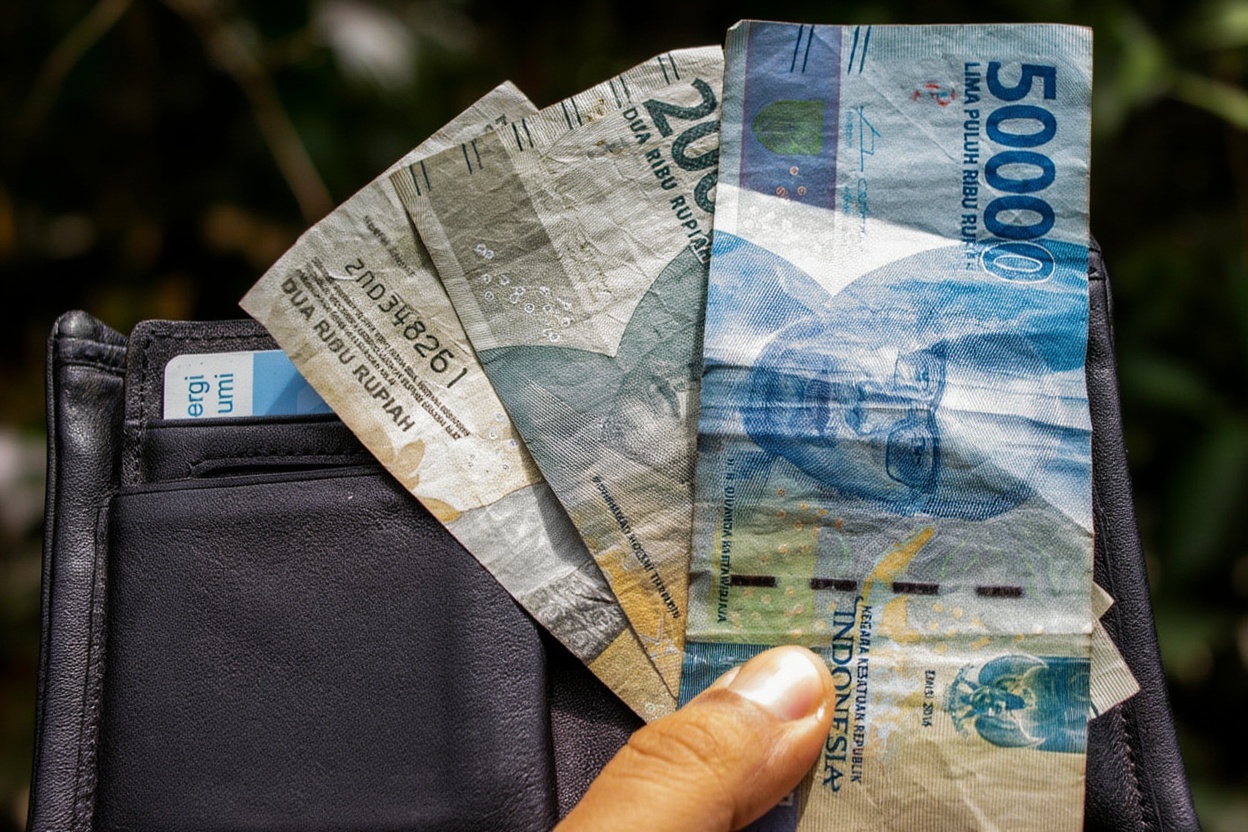
Vietnam is a primarily cash economy. Smaller restaurants, street food vendors, local markets, and many guesthouses only take cash. Credit cards are accepted at hotels, tourist-facing restaurants, and shopping areas — but you need cash for daily life.
ATMs are widely available in cities and major tourist towns. The key issue: Vietnamese ATMs charge per-transaction fees of 30,000–85,000 VND ($1.20–3.40), and most cap withdrawals at 3,000,000–5,000,000 VND ($120–200) per transaction. This means frequent small withdrawals are expensive. Strategy: withdraw larger amounts less frequently from Citibank or HSBC ATMs, which typically have the highest withdrawal limits and lowest fees.
Your home bank also likely charges an international ATM fee ($2–5) and a foreign transaction fee (1–3% of withdrawal amount). The combination adds up. A Charles Schwab checking account reimburses all ATM fees worldwide — this is the card most long-term Vietnam travelers use. Wise and Revolut cards also have favorable international rates.
For the full ATM fee breakdown and best cards for Vietnam, see our Vietnam ATM fees guide.
Budget Leaks to Watch
Where travelers regularly spend more than planned:
Ha Long Bay: Budget operations are not worth it. A 1-day Ha Long cruise is just transportation — you need 2 nights to actually experience the bay. Budget $150 minimum for a reputable 2-night operator. Don’t try to do Ha Long on a $50 day tour; it produces the disappointment stories you read on Reddit.
Tour markups through hotels: Hotels in tourist areas add 20–50% to tour prices compared to buying directly from operators. The Grab driver who offers to organize your day trip is charging you the hotel markup plus their own cut. Book directly with operators or through reputable booking platforms.
Exchanging currency at airports (departure): Airport currency exchange gives poor rates. Use ATMs for local currency; they give the inter-bank rate minus the ATM fee, which is better than any exchange desk.
Dynamic currency conversion: When an ATM or card terminal asks “Would you like to pay in USD?”, always say no. This is Dynamic Currency Conversion — the conversion rate used is typically 5–7% worse than your bank’s rate. Always pay in VND.
Bottled water: At 10,000–15,000 VND per bottle, water costs add up. In Hanoi and HCMC, many coffee shops and hostels refill stainless water bottles for free or cheap. A LifeStraw bottle or filtered bottle is worthwhile for a 3+ week trip.
Sample 14-Day Budget
For a solo budget traveler doing Hanoi → Ninh Binh → Hue → Da Nang/Hoi An → HCMC:
Accommodation (14 nights at average $15/night mix of dorms and budget privates): $210
Food (14 days at $10/day mix of local and occasional tourist restaurants): $140
Transport (1 Hanoi–HCMC one-way flight $45 + overnight train Hanoi–Hue $30 + buses $40 + daily Grab $30): $145
Activities (Ha Long Bay cruise $150, Hue Imperial City $8, Hoi An pass $5, Ninh Binh boat $10, other $40): $213
Miscellaneous (SIM card, tips, souvenirs, laundry, pharmacy): $60
Total: approximately $768 for 14 days = $55/day average
This budget produces a good trip with proper activities, a real Ha Long Bay cruise, and private rooms most nights. The traveler on $35/day skips the Ha Long cruise or does it on a shorter trip, eats street food exclusively, and stays in dorms. The traveler on $100/day upgrades every category — nicer hotels, more restaurant meals, private tours for some activities — and the trip quality improves significantly for a marginal absolute spend.
Budget by City and Region
Vietnam isn’t uniformly priced. Costs vary meaningfully between cities and regions:
Hanoi: The Old Quarter concentrates tourist restaurants that are mid-range priced but not expensive by Western standards. Go two streets in any direction from the tourist zone and prices drop 40–60%. Accommodation in the Old Quarter proper costs a premium for location — equivalent quality guesthouses in Ba Đình or Tây Hồ (West Lake) are 20–30% cheaper. Daily budget in Hanoi: $35–70 depending on eating habits and accommodation location.
Hoi An: The most expensive destination on the main tourist trail, primarily because of accommodation demand during peak season (February–April, September–November). A private room in the Ancient Town area costs 30–50% more than in other cities for equivalent quality. Food on the tourist street (Nguyễn Thị Minh Khai) is tourist-priced; the local market and restaurants in the new city area are significantly cheaper. Daily budget in Hoi An: $50–90 in peak season, $40–70 in shoulder.
Ho Chi Minh City: The most expensive Vietnamese city overall. Street food is plentiful and cheap, but accommodation costs more than Hanoi for equivalent quality, and the bar and nightlife scene can pull spending up quickly. The backpacker district (Phạm Ngũ Lão) has everything in one area but isn’t the cheapest neighborhood. Daily budget in HCMC: $45–80.
Da Nang: Good value relative to its quality. Accommodation is generally cheaper than Hoi An with easier road access. The seafront is well-developed. Daily budget: $40–65.
Ha Giang: Cheap in absolute terms but the Loop requires a motorbike (or jeep tour) and requires planning. Budget $15–25/day on the road for accommodation and food; add $3–6/day for motorbike rental or $80–120/day for a private jeep tour. Most accessible budget option on the Loop: rent a motorbike in Ha Giang town and do it yourself with a budget guesthouse stay each night.
Ha Long Bay: Not a budget destination if done properly. Budget cruise operators cut corners — smaller boats, lower food quality, overcrowded schedules. The recommended spend is $150–250 for a 2-night cruise on a mid-tier operator. If you can’t budget this, consider Cat Ba Island as an alternative base (significantly cheaper, access to Lan Ha Bay) or skip Ha Long for this trip.
Seasonal Budget Considerations
Vietnam has two major seasonal pricing dynamics:
Tet (Vietnamese New Year, late January/February): Prices spike across the country. Hotels in Hanoi and HCMC increase rates by 50–100% in the week around Tet. Many local restaurants close for 3–7 days. Domestic transport sells out weeks in advance. As a traveler, Tet is one of the most culturally interesting times to be in Vietnam — but budget 30–50% more than off-season rates and book accommodation 4–6 weeks ahead.
Peak summer (June–August): Hanoi and HCMC are extremely hot, but domestic Vietnamese families take summer holidays. Beach destinations (Phu Quoc, Da Nang, Nha Trang) see higher occupancy and prices from Vietnamese tourists. International visitor numbers are lower, so some tourist-facing businesses offer discounts to foreign visitors while accommodation costs more from domestic demand. Plan around the beach vs city dynamic.
Shoulder season (April–May, September–October): Best combination of lower prices and good weather for most regions. Fewer Vietnamese holiday travelers means accommodation availability is better and prices at the lower end of range. International tourist numbers are also lower outside specific holidays.
What Your Money Gets Compared to the US
The purchasing power comparison that surprises most first-time visitors:
A $15 meal in Vietnam is a proper restaurant dinner with seafood or high-quality meat, beer, and service — the equivalent of $60–80 in a US restaurant. A $20/night room in the Old Quarter with air conditioning and an en-suite bathroom is the equivalent of a $150 US hotel room by amenity and location standard. A 90-minute professional massage costs $15–20 at a reputable spa — the US equivalent is $80–120. For a deeper breakdown of how to stretch every dollar, our Vietnam budget travel guide covers planning strategies by trip length and travel style.
Vietnam is not cheap because quality is low — it’s cheap because labor costs are dramatically lower. The food is prepared by people who’ve been making that specific dish for 20 years. The hotel room is cleaned by someone who takes real pride in the job. The massage therapist trained for 1–2 years. The lower price doesn’t reflect lower quality; it reflects a different wage structure.
This matters for budget planning: don’t sacrifice quality to save $3 on a guesthouse when the $20 option is genuinely excellent by international standards. The value-to-cost ratio in Vietnam is so favorable that spending a bit more than the absolute minimum usually produces a dramatically better experience for a very small absolute cost increase.
Frequently Asked Questions
Is Vietnam cheaper than Thailand for travelers?
On a like-for-like comparison, Vietnam is generally cheaper than Thailand for accommodation and food at the budget end. A budget dorm in Hanoi costs $3–5 vs $5–8 in Bangkok. Local meals are comparable — both countries have excellent cheap street food in the $1.50–3 range. Activities are similar. The main difference: Vietnam’s alcohol is notably cheaper (bia hơi at $0.40 a glass vs Thai beer at $1.50), and transport within Vietnam (train network) is excellent value. Thailand has a more developed tourist infrastructure which can push costs up in popular areas like Koh Samui or Phuket. For backpackers, Vietnam is slightly cheaper. For mid-range travelers, they’re roughly comparable.
How much cash should I bring to Vietnam?
Don’t bring USD to exchange — you’ll get a worse rate than ATM withdrawals in most cases. Have a debit card that waives or reimburses international ATM fees (Charles Schwab, Wise, Revolut). Withdraw 2,000,000–3,000,000 VND ($80–120) from the airport ATM on arrival to cover your first day or two. This handles the SIM card purchase, your first night if needed, and transportation to your accommodation. From there, withdraw as needed from city ATMs with low fees — the Citibank ATMs in major cities have the highest limits and among the lowest fees.
Is tipping expected in Vietnam?
Tipping is not part of Vietnamese culture at local restaurants and most services. At street food stalls and local pho shops, no tip is expected or given. At tourist-facing restaurants, a small tip (10,000–20,000 VND, or rounding up) is appreciated but not required — most bills include a service charge anyway. Tour guides on multi-day tours (Ha Long Bay cruises, Ha Giang jeep tours) do expect tips: 100,000–200,000 VND/day per person for a good guide is the standard. Massage therapists at proper spa establishments: tip 30,000–50,000 VND for good service. See our Vietnam tipping guide for specifics.
What’s the cheapest way to do a Vietnam trip?
Absolute minimum budget traveling: stay in dorms, eat street food exclusively, take overnight sleeper buses for all transport (skip flights), and focus your itinerary on free or low-cost attractions — pagodas, markets, walking, beach time. This budget is realistically $20–28/day and produces a genuine Vietnam experience if you’re comfortable with dorm life and local-only eating. The places that squeeze the budget most aren’t the food (street food is excellent) or local transport (dirt cheap) — it’s the “experience” activities like Ha Long Bay cruises, adventure sports, and organized tours. If you skip or minimize these and do self-guided exploration by motorbike or foot, the budget holds at the low end. The Ha Giang Loop done on a rented motorbike you drive yourself is one of the best budget-to-experience ratio activities in Vietnam — more spectacular than most packaged tours and costs $20–30 for 4 days in fuel and guesthouses.
Is it more expensive to travel solo in Vietnam?
Solo travel in Vietnam costs more per day than couple travel primarily because of accommodation — a private room for one person costs the same as a private room for two. At $15–25/night for a budget private room, the solo traveler pays $15–25 while a couple pays $7.50–12.50 each. This solo premium disappears if you stay in dorms. Food, transport, and activities cost the same per person regardless. For tours specifically, some operators charge a “single supplement” for private cabin berths on Ha Long Bay cruises — expect to pay $20–40 more than the per-person couple rate for a solo private cabin. The workaround: book shared cabin arrangements rather than private berths on budget cruises, which puts you in the same cabin as other solo travelers.
Do I need to budget separately for a Vietnam SIM card?
Budget 150,000–200,000 VND ($6–8) for a Vietnamese SIM card at the airport on arrival — this covers 30 days of data (30–60GB) with call minutes. If you prefer an eSIM from Airalo or Holafly for the convenience of having connectivity before you land, budget $10–18. This is a one-time cost for the trip, not a daily expense, and it’s one of the best investments in the trip — without mobile data, Grab doesn’t work, Maps doesn’t update in real time, and booking last-minute accommodation requires hotel WiFi. Factor it in and forget about it. For a full comparison of eSIM vs local SIM, see our Vietnam SIM card guide.
Budget sorted — now sort your bag. The Vietnam packing list covers what to actually bring, what to skip, and what costs $2 to buy in Hanoi versus overpaying at home.