Last updated: June 2026 — prices and beach conditions verified June 2026.
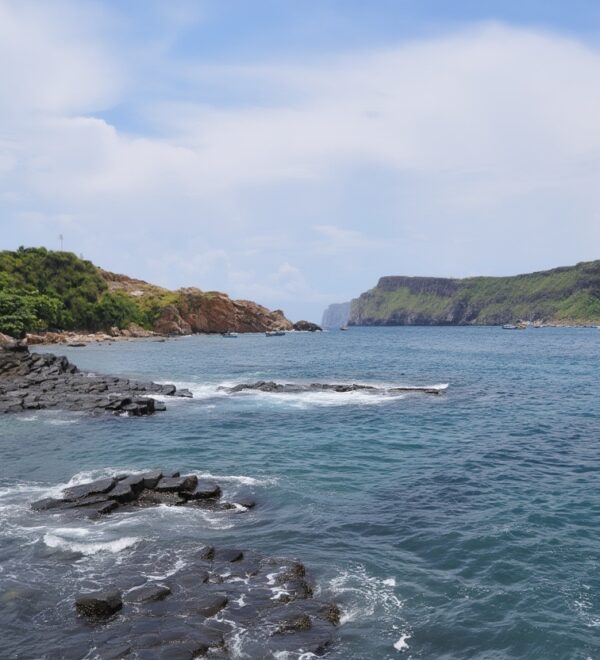
I’ve been swimming in Vietnam’s coastline for five years. From Ha Long Bay on a November morning when the limestone fog makes you feel like you’re inside a Chinese ink painting, to An Bang Beach at 7 AM before the sunbeds arrive, to Con Dao where the water is so clear you can see the coral from the surface without a mask.
The beach picture in travel guides is almost always wrong. Here’s the honest one.
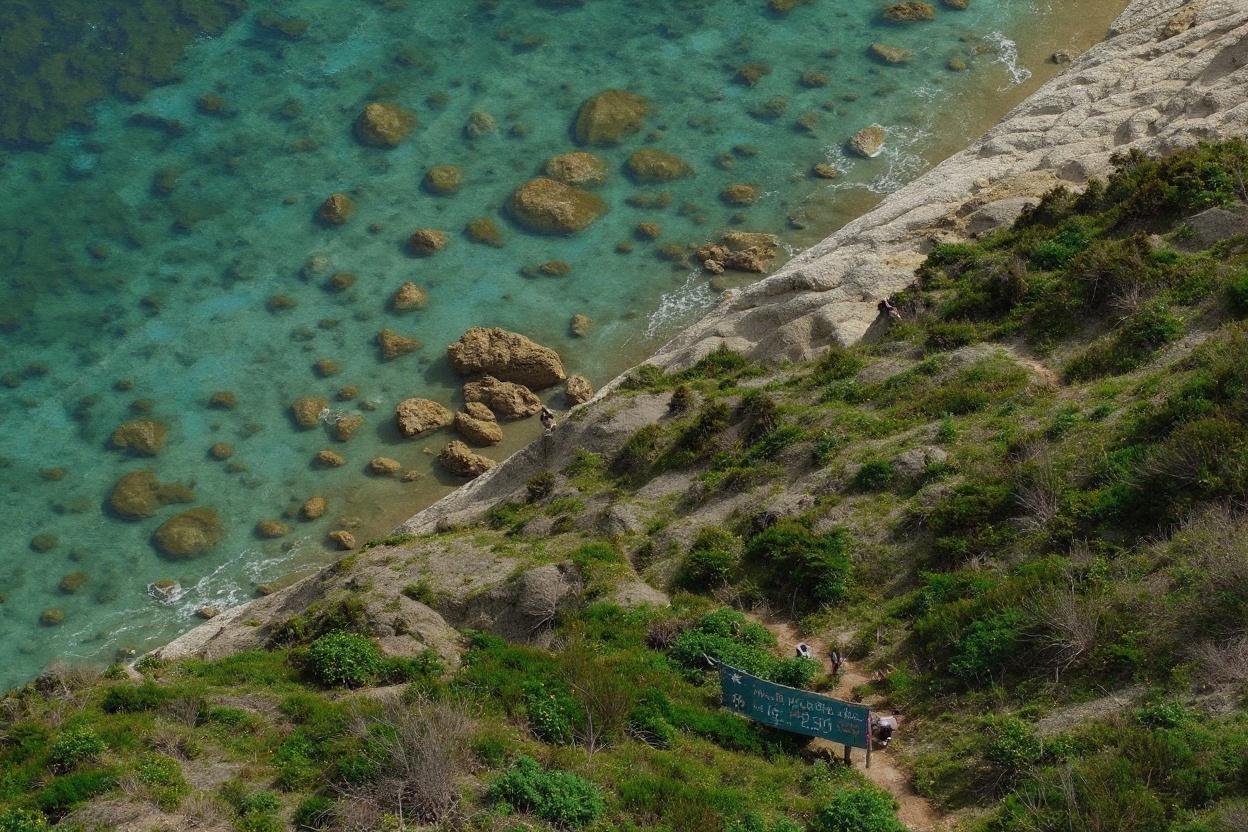
Vietnam’s Beaches by Region — The Honest Map
Vietnam is long and thin. Beaches in the north, center, and south are not interchangeable — they have different weather windows, different water quality, different vibes, and different crowds. The biggest mistake travelers make is planning a beach day based on proximity to a city rather than season.
North Vietnam Beaches — Ha Long Bay and Cat Ba Island
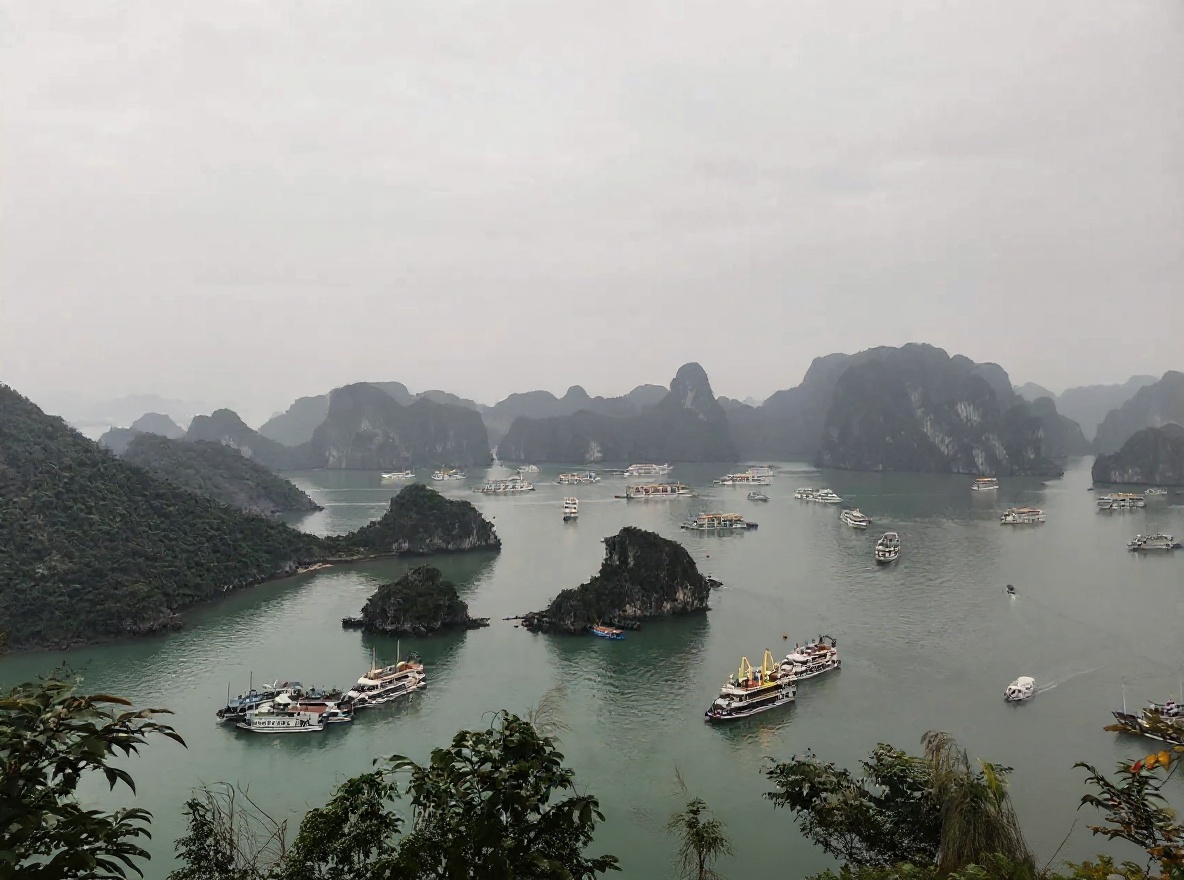
Ha Long Bay is not a swimming destination. It’s a scenery destination. Nobody who books a Ha Long Bay cruise is doing it for beach time — they’re doing it for the limestone karsts, the emerald water, the cave systems, and the feeling of being inside one of the more surreal landscapes on the planet.
The water is murky compared to the south. In winter (November to March), it’s cold — 18–20°C, which is fine for short swims but rules out extended beach sessions. In summer (June–August), it warms up and the water becomes genuinely swimmable, but typhoon risk increases.
Cat Ba Island, the main populated island in the Ha Long Bay complex, has Cat Co Beach — three small sandy coves with clear water in summer. Not spectacular by Vietnam standards, but perfectly pleasant as a base for exploring Lan Ha Bay by kayak. The island itself is worth a visit; the beaches are a bonus rather than a reason to come.
> **Quick Answer:** Go to the north for Ha Long Bay’s scenery, not for swimming beaches. Best months for both scenery and swimmable water: May–June before typhoon season hits. See the Ha Long Bay cruise guide for how to structure this properly.
Central Vietnam Beaches — The Best All-Around Option
Central Vietnam is where the beach picture gets genuinely compelling. The stretch from Da Nang down through Hoi An to Quy Nhon has some of the best beach-to-town ratios in the country — you can have a proper beach day and be eating cao lầu for dinner.
My Khe Beach — Da Nang
My Khe is the beach that runs through the center of Da Nang. Twenty kilometers of sand, wide enough that you never feel crowded, with enough infrastructure (sunbeds, restaurants, showers) that you can spend a full day there without logistics headaches. Water quality is good — the beach faces the South China Sea without a bay to trap sediment.
The honest take: My Khe is a great city beach. For a resort-style day, it works. For a pristine, remote-feeling beach experience, it doesn’t. Da Nang is a working city of a million people; the beach reflects that. The tradeoff is that you get excellent restaurants, cheap transport, and no resort markup on anything.
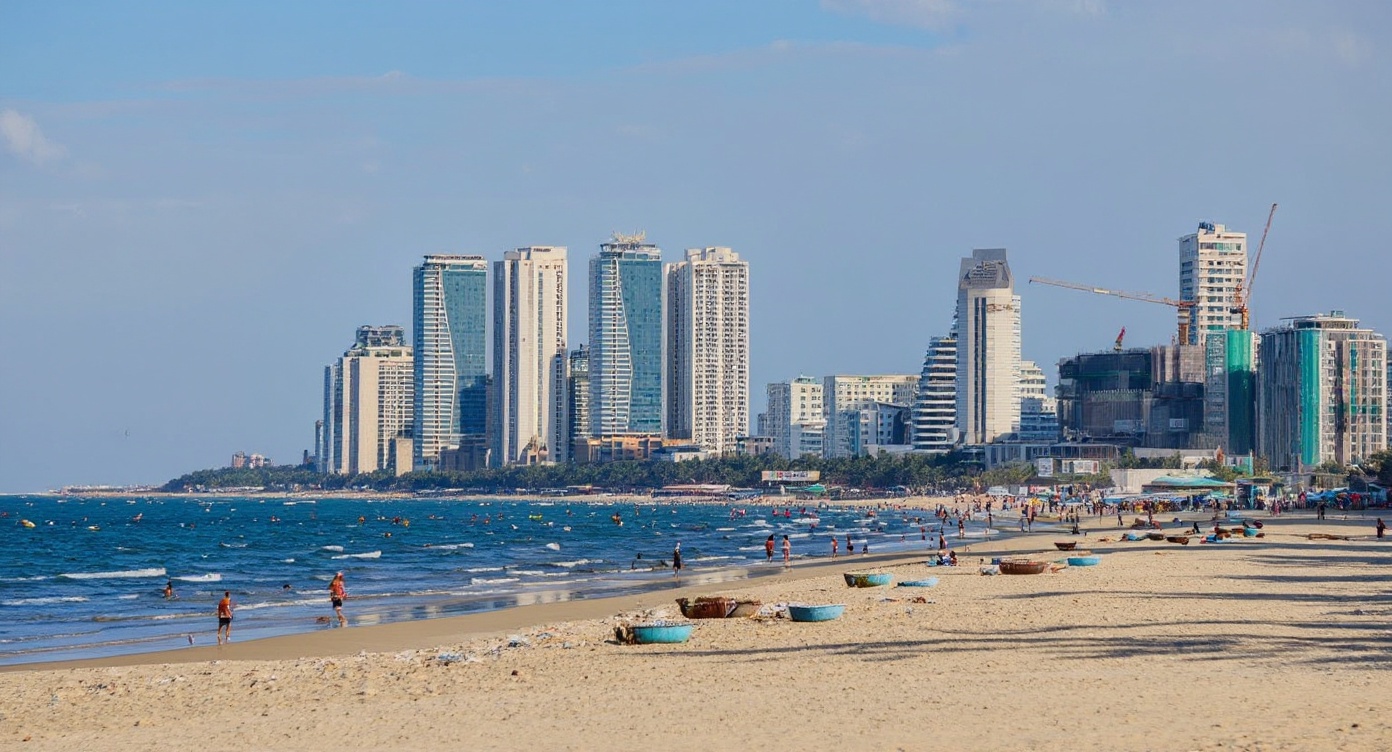
Best time: February to August. Avoid September to November — typhoon season hits the central coast hard. For Da Nang’s full context, our Da Nang travel guide covers transport, accommodation, and how to use the beach alongside the city sights.
An Bang Beach — Hoi An
An Bang is 4km from Hoi An Ancient Town and a completely different world from it. The Ancient Town is UNESCO-listed, cobblestoned, and increasingly overrun; An Bang is open, breezy, and still has the village restaurants that serve fresh catch for 80,000 VND rather than tourist-menu prices.
I’ve been coming to An Bang since 2021. It’s changed — more sunbeds, more beach clubs, more tourists — but the north end of the beach, past the main cluster of restaurants, still has that low-key vibe that made it famous. Go early (before 9 AM) or late (after 4 PM). Midday in summer is brutal.
> **Quick Answer:** An Bang is the best beach attached to a major tourist town in Vietnam. Fifteen minutes from Hoi An Ancient Town by bicycle or xe om. Morning hours are the sweet spot — the light is better and the beach clubs haven’t deployed their sound systems yet.
Quy Nhon and Phu Yen — The Central Coasts Nobody Talks About
Quy Nhon is the best-kept beach secret on Vietnam’s central coast. Lonely Planet named it a top global destination in 2026, which has increased traffic — but by Vietnam standards, it’s still quiet. Ky Co Beach and Bai Xep are the standouts: small, clear, with water that looks more Caribbean than Southeast Asia.
The water clarity at Ky Co specifically is something else. I’m used to murky beach water in Southeast Asia — Ky Co genuinely surprised me. Boat trip from Quy Nhon town, 30 minutes, 100,000–150,000 VND return. The beach is accessible only by boat, which keeps the numbers manageable.
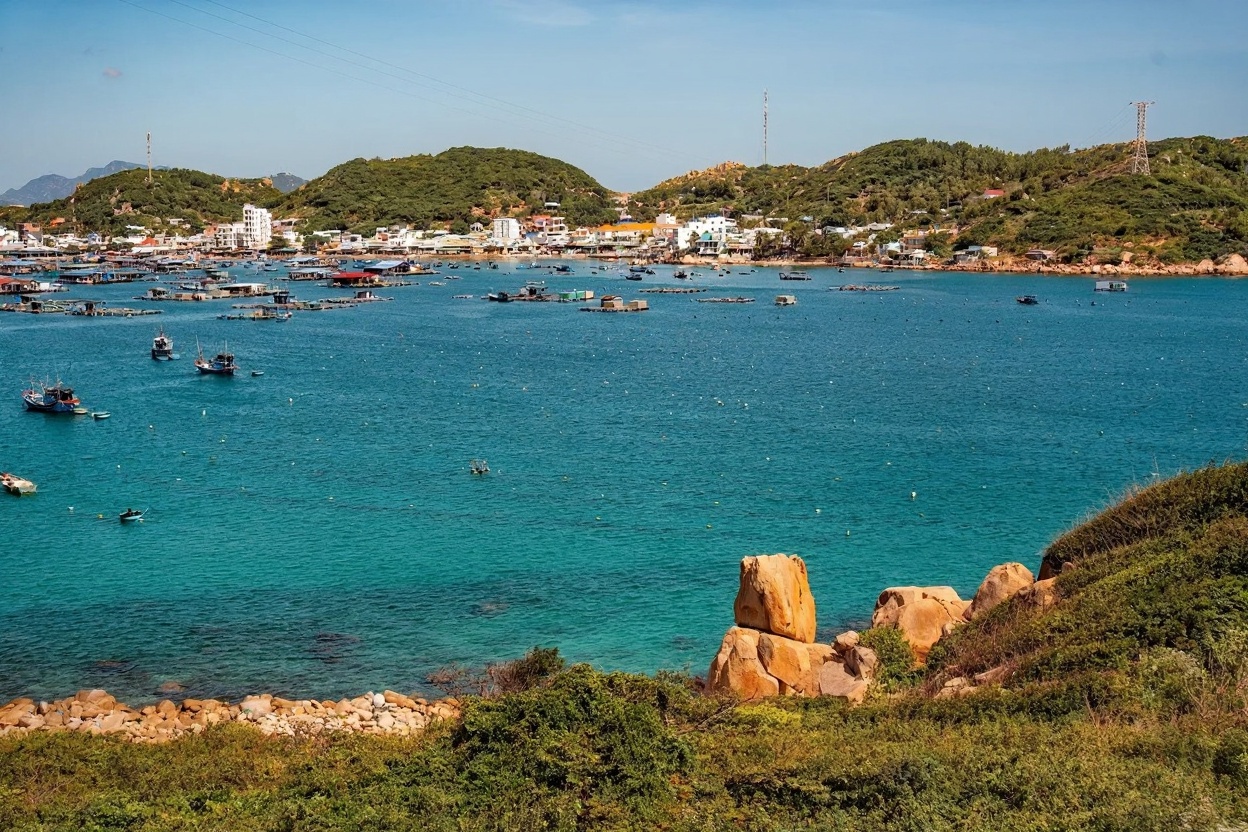
Phu Yen, the province just north of Nha Trang, has Bai Mon and Ganh Da Dia (the basalt rock formation that looks like a Vietnamese version of the Giant’s Causeway). Almost no English-language tourism presence. If you’re traveling the central coast in 2026, the Quy Nhon–Phu Yen stretch between Hoi An and Nha Trang is where the interesting beaches are. See our Quy Nhon travel guide and Phu Yen guide for specifics.
South Vietnam Beaches — Nha Trang, Mui Ne, Phu Quoc
Nha Trang
Nha Trang has the most developed beach infrastructure in Vietnam — long main beach, hotels right on the sand, a functional city around it, and a cluster of offshore islands with good snorkeling. It’s also the most package-touristed beach destination in the country, heavily dominated by Russian and Chinese tour groups since the mid-2010s.
The honest take on Nha Trang: the beach itself is decent (6km of sand, reasonably clean, consistent waves), the snorkeling trips to the offshore islands (Hon Mun, Hon Tam) are genuinely good value, and the food scene is excellent if you ignore the beachfront tourist restaurants. What Nha Trang doesn’t do well is the peaceful beach escape — the main beach at midday in high season has the energy of a crowded resort pool, not a Vietnamese coast.
Best time: January–August. September and October are typhoon season here. See our Nha Trang weather guide for the full breakdown.

Mui Ne
Mui Ne is the kite surfer’s beach. The steady wind from November to April makes it one of the best kitesurfing spots in Southeast Asia, and the culture around it (international kite crowd, decent beachfront restaurants, resort strip) reflects that. If you’re not into water sports, Mui Ne is less compelling — the sand dunes (red and white, both worth a 7 AM visit before the tourist jeeps arrive) and the fishing village are the other reasons to come.
The beach itself is narrow compared to Da Nang or Phu Quoc. Comfortable for lounging, not designed for long walks. The kite season (November–April) overlaps perfectly with the best beach weather, which is a convenient coincidence for the itinerary. Our Mui Ne guide covers the sand dunes visit and how to time it right.
Phu Quoc Island
Phu Quoc is Vietnam’s best island. That’s not a controversial take — the combination of beach quality, island scale, and accessibility (direct flights from Hanoi and Saigon) makes it objectively the strongest beach destination in the country for most travelers.
Long Beach (Bai Truong) on the western side is the main tourist strip — hotels, restaurants, sunset watching. Sao Beach on the southeastern tip is the postcard version: white sand, clear shallow water, the beach you’ve seen in Phu Quoc photos. Bai Dai in the north is the low-key version — longer, emptier, with coconut palms rather than beach clubs.
The catch: Phu Quoc has developed fast. The northern half of the island now has a casino resort that feels completely out of character with the rest of Vietnam. The southern and central beaches are still good. The island is worth visiting in 2026 before the development reaches the beaches that are currently quiet.
> **Quick Answer:** For a pure beach holiday with flights from Hanoi or Saigon, Phu Quoc is the answer. Best months: November to May. June to October is monsoon season on the west coast. See the Phu Quoc travel guide for logistics.
Con Dao Islands
Con Dao is the correct answer for travelers who want the best Vietnam beach experience and are willing to pay for the flight to get there.
The archipelago is 230km off the southern coast. No mass tourism infrastructure — a handful of guesthouses, a Six Senses resort for the high-end crowd, and beaches where you might genuinely be the only person on the sand. Dat Doc Beach is the one everyone photographs: long, curved, backed by jungle rather than hotels, with water clear enough to snorkel without equipment. Dam Trau Beach is quieter still.
The Con Dao marine park protects the surrounding waters — sea turtle nesting season runs May to October, and guided night walks to watch turtles lay eggs are one of the more extraordinary experiences available in Vietnam. The island also has a sobering historical dimension: the Phu Hai prison, where the South Vietnamese government held political prisoners, is among the most affecting memorial sites in the country.
Vietnam Beach Calendar — When to Go Where
The Real Talk on Vietnam Beaches
Real Talk
Vietnam’s beaches have a development problem. The ones that are genuinely good get popular, get overbuilt, and lose the quality that made them good. Phu Quoc 2016 vs Phu Quoc 2026 is not the same place. An Bang 2019 vs An Bang 2026 is not the same beach. This isn’t a reason not to go — it’s a reason to go now, and to understand that the best beaches in Vietnam in 2030 will probably be places that aren’t famous yet in 2026. Quy Nhon and Phu Yen are in that category right now.
The other honest thing: Vietnam is not a beach country the way Thailand is. The beaches are genuinely good, but they’re not the main event — the food, the history, the mountain landscapes, and the people are. If your trip to Vietnam is primarily beach-focused, Phu Quoc or Con Dao can stand alone as a beach destination. For the rest of the country, the beaches work best as a 2–3 day component of a larger itinerary rather than the organizing principle of the whole trip.
For the full Vietnam trip framework, see the Vietnam itinerary guide — including how to position beach time in a 2-week or 3-week route.
Which Vietnam Beach Is Right for You
You want the most famous beach + easiest logistics: Phu Quoc. Direct flights from Hanoi and Saigon, good infrastructure, multiple beach options on one island. Dry season November–May.
You want the best undiscovered beach before it gets ruined: Quy Nhon (Ky Co, Bai Xep) or Phu Yen. Central coast, February–August. Low KD for your Instagram too.
You want dramatic scenery over swimming: Ha Long Bay. Overnight cruise, May–June is the sweet spot before typhoon season. You’re there for the karsts, not the sand.
You want remote + exclusive without a luxury resort budget: Con Dao. The guesthouses are affordable; the flights are the splurge (return flights Saigon–Con Dao run 800,000–2,000,000 VND depending on availability).
You want a beach combined with a world-class food scene: Da Nang / Hoi An. My Khe or An Bang for the beach, then the best restaurant and street food scene in the country 15 minutes away.
Getting to Vietnam’s Beaches — Practical Notes
Most travelers arrive at one of three airports: Hanoi (HAN), Da Nang (DAD), or Ho Chi Minh City (SGN). From there, domestic flights are cheap and frequent — Vietnam Airlines, Vietjet, and Bamboo cover Hanoi–Phu Quoc, Saigon–Con Dao, and Da Nang as a hub for the central coast.
For Con Dao: fly Saigon–Con Dao (45 minutes). Flights run 3–5 times daily. Return fare ranges 800,000–2,500,000 VND depending on how early you book. The island has no ferry connection from the mainland.
For Phu Quoc: fly direct from Hanoi (2h) or Saigon (55 minutes). You can also reach Phu Quoc by ferry from Ha Tien or Rach Gia on the mainland — useful if you’re routing through the Mekong Delta. Once on the island, rent a motorbike (120,000–180,000 VND/day) to reach the beach at your own pace.
For central coast beaches: fly direct to Da Nang from Hanoi or Saigon (1h 20min). Quy Nhon (Phu Cat airport) has direct connections from both cities. Between beach towns, the sleeper bus network covers Da Nang–Quy Nhon–Nha Trang at under 300,000 VND per leg — see the Vietnam sleeper bus guide for how to navigate this route.
Budget tip: book Vietnam domestic flights 2–4 weeks out. Vietjet and Bamboo run sales frequently. Saigon–Phu Quoc for 300,000 VND is normal if you catch the right window. Same-day or last-minute prices triple.
Vietnam Beaches FAQ
What is the best beach in Vietnam?
For pure beach quality, Con Dao (remote, pristine, protected) and Phu Quoc’s Sao Beach are the most consistent answers. For best combination of beach + destination, Quy Nhon’s Ky Co or Hoi An’s An Bang. The “best beach” depends heavily on whether you want isolation or infrastructure and which season you’re visiting — the regional calendar matters more than any single beach ranking.
When is the best time to visit Vietnam beaches?
Vietnam’s coast doesn’t have one universal beach season — it depends which part of the coast you’re visiting. South Vietnam (Phu Quoc, Con Dao, Nha Trang): November to May. Central Vietnam (Da Nang, Hoi An, Quy Nhon): February to August — the central coast gets serious typhoon flooding October to November. North Vietnam (Ha Long Bay): May and June are the best combination of warmth and pre-typhoon calm. See our best time to visit Vietnam guide for the month-by-month breakdown.
Is Phu Quoc or Nha Trang better for beaches?
Phu Quoc for most travelers. The island has cleaner water, quieter beaches, and more varied beach options (Long Beach for atmosphere, Sao Beach for the classic shot, Bai Dai for empty sand). Nha Trang has better snorkeling infrastructure and island-hopping tours, plus a more developed food and nightlife scene. If your priority is the beach itself, Phu Quoc wins. If you want beach + activities + city energy, Nha Trang is the stronger combination.
Are Vietnam’s beaches clean?
Variable. Con Dao and Phu Quoc’s better beaches (Sao Beach, Bai Dai) are genuinely clean. An Bang in Hoi An maintains reasonable cleanliness through active management. Nha Trang’s main beach is cleaned daily but shows the pressure of high volume. Quy Nhon and Phu Yen’s beaches are currently the cleanest on the central coast because visitor numbers are still low. The beaches most likely to disappoint on cleanliness are the crowded city beaches at peak season — Nha Trang in July, Da Nang’s main beach on a summer weekend.
Can you swim at Ha Long Bay?
Yes, but with caveats. Water temperature is comfortable May through September (24–28°C). In winter (November–March) it drops to 18–20°C — fine for a quick swim, cold for extended time in the water. The water itself is greener and murkier than the south — fine visibility for snorkeling in the right spots, but not the crystal clarity of Con Dao or Phu Quoc. Most Ha Long Bay cruise itineraries include swimming stops, usually at cave bays where the water is calmer. You’re not going to Ha Long for swimming though; you’re going for one of the most dramatic landscapes in Southeast Asia.
Which Vietnam beach is best for families with kids?
Phu Quoc is the best family beach destination — calm water on the western side (Long Beach), good infrastructure, no major currents, and direct flights. Nha Trang is the second choice — the city has child-friendly facilities, island hopping tours work well for kids, and the main beach has shallow entry. Da Nang is convenient if you’re already visiting Hoi An and want to add beach time. Avoid Con Dao for families with young children — the remoteness and limited medical facilities make it a poor fit.