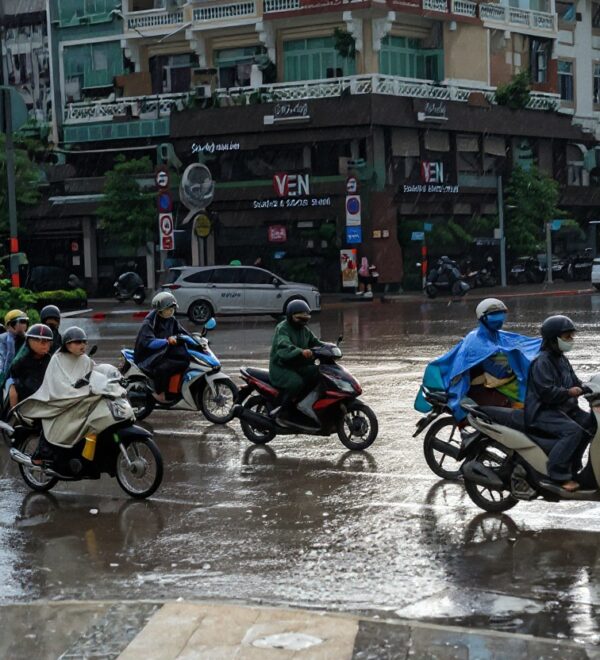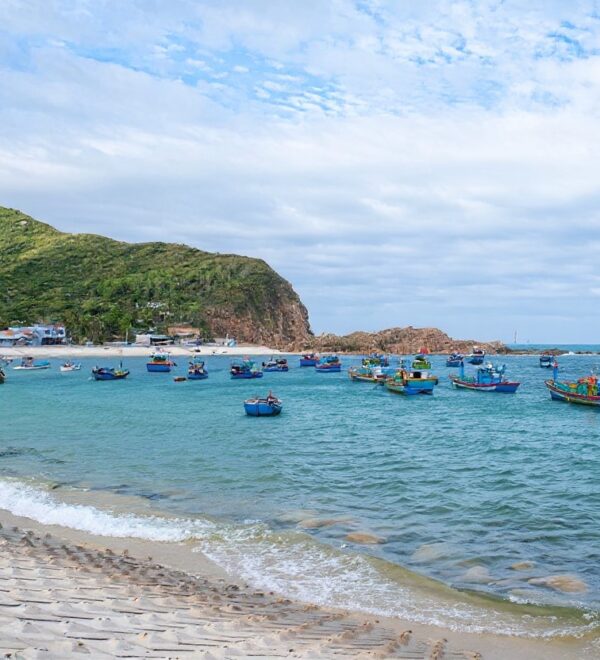
Updated May 2026
Dong Hoi is the base for Phong Nha and easy to miss as a destination in itself — our Dong Hoi guide covers where to sleep, eat, and what to do while the caves are full.
I’ve done Central Vietnam every way possible. The first time — 2021 — I moved through it like a checklist: Hue for two nights, Hoi An for two, Da Nang for one, bus south. Saw the sites. Ate some food. Moved on. Came back three more times over the following years and finally figured out what I’d missed.
What I’d missed: Hue’s back alleys at 6am, bánh mì Phượng before the Instagram crowd arrives, the Phong Nha caves on a weekday in February when there are eight other tourists. The region doesn’t reward rushing. It rewards the people who stop moving long enough to let it show itself.
What Is Central Vietnam, Actually?
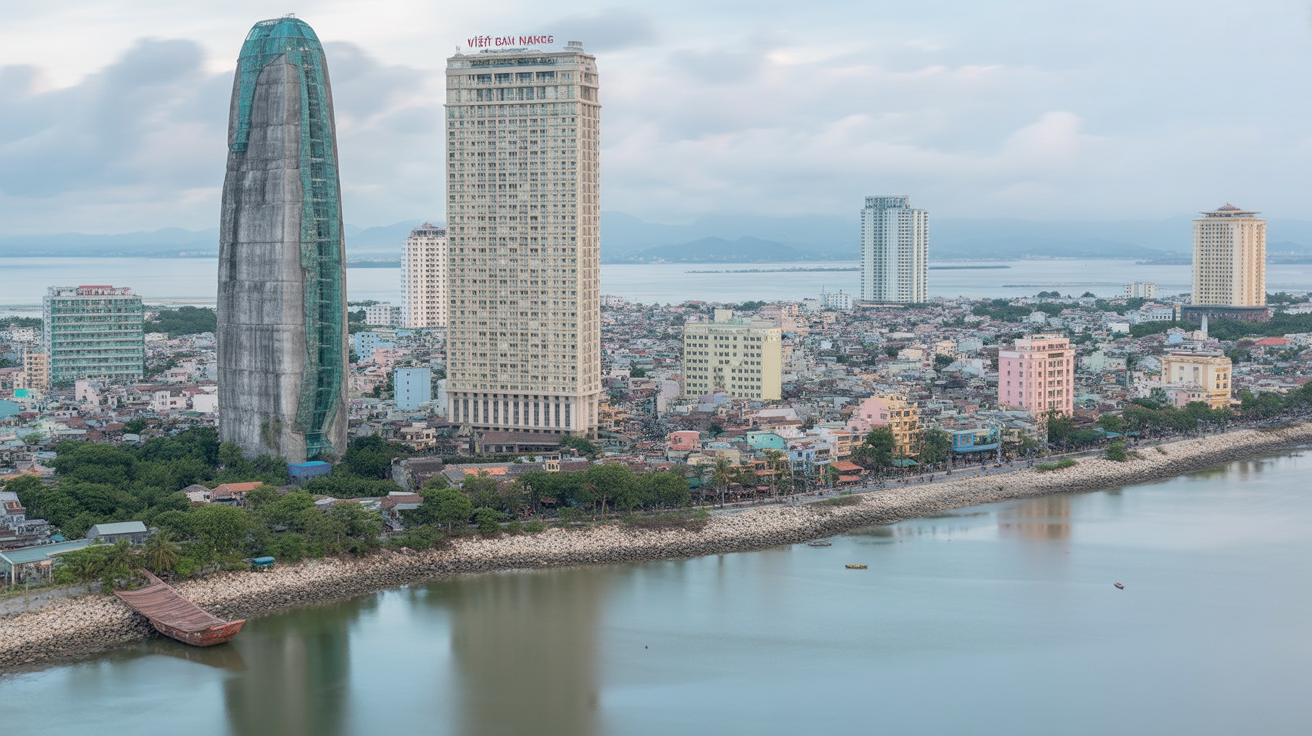
Geographically: the stretch from Quảng Bình province (Phong Nha) down to Quảng Nam (Hoi An), roughly the middle third of the country. Culturally: the old imperial heartland. Hue was Vietnam’s capital for over 140 years under the Nguyễn dynasty. The food reflects it — more refined, more sour, more complex than the street food of Hanoi or Saigon.
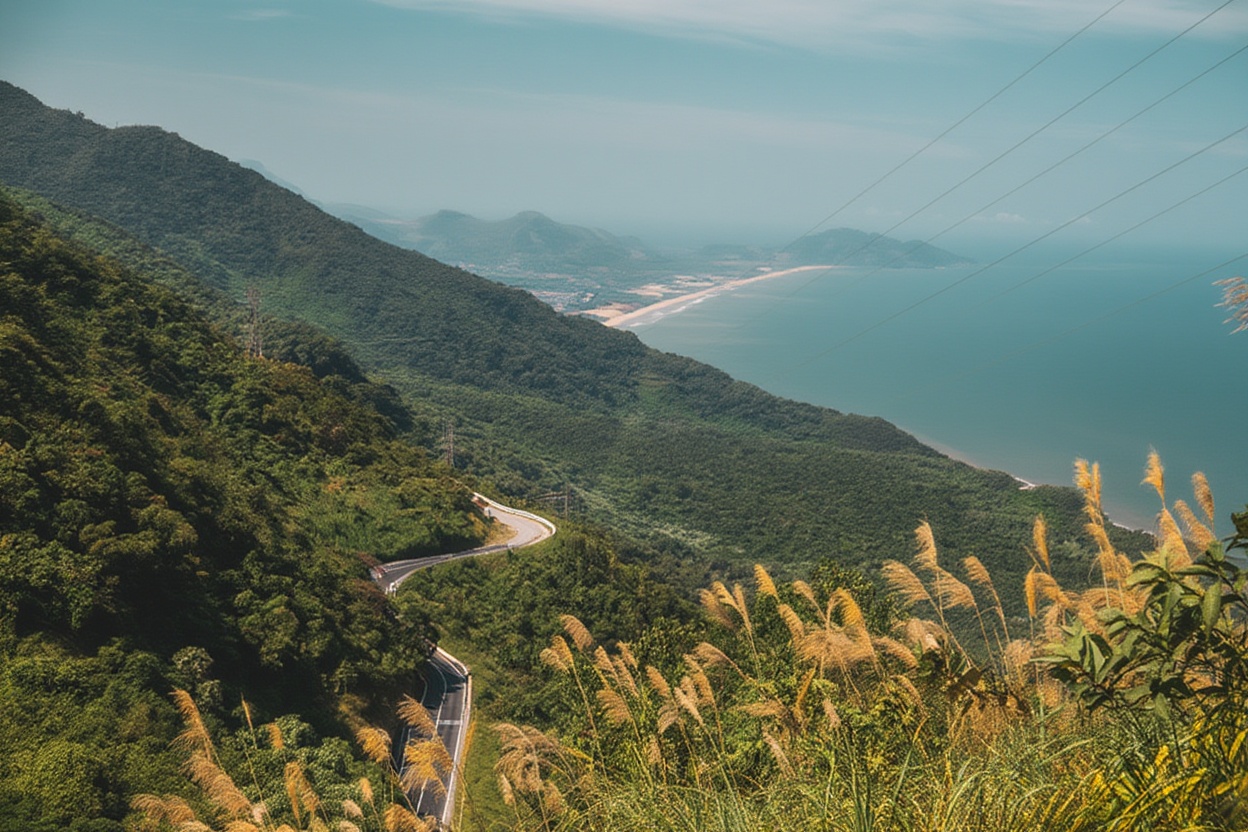
The Hải Vân Pass — a 21-kilometer mountain road that separates Hue from Da Nang — is one of the reasons the region feels divided into two halves. North of the pass: cooler, cloudier, more formal. South: warmer, breezier, more relaxed. The pass itself is one of the best drives or rides in Vietnam if you have the option.
Central Vietnam doesn’t have a single identity. It has four destinations that happen to be close to each other, each of which could anchor a trip on its own.
Phong Nha: The One Most People Rush Through
Phong Nha-Kẻ Bàng National Park sits in Quảng Bình province, about 500 kilometers north of Da Nang and 200 kilometers south of Hanoi. It’s home to the world’s largest cave — Sơn Đoòng — and dozens of others, including Phong Nha Cave, Paradise Cave, and Dark Cave. Most travelers squeeze it into a day trip from Hue. Most travelers get it wrong.
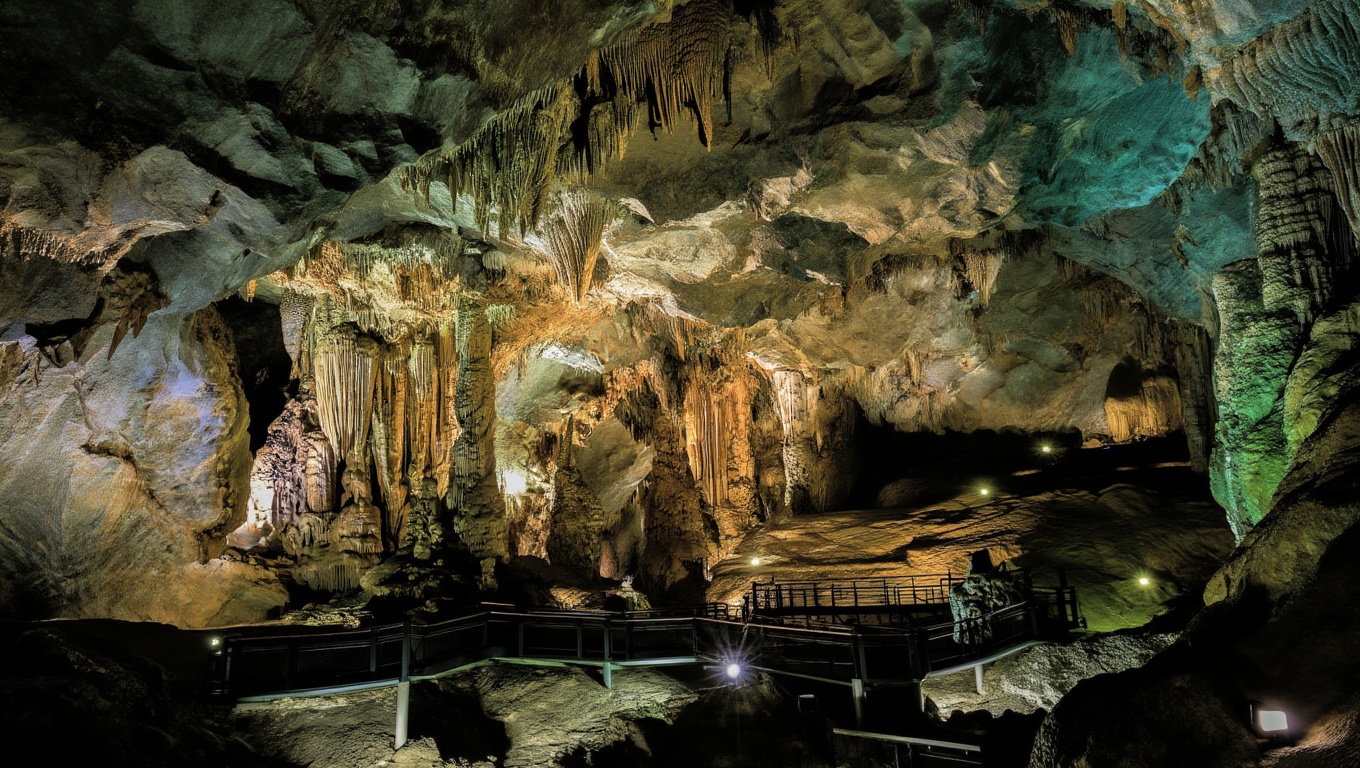
The Phong Nha area (specifically the town of Sơn Trạch, 5 minutes from the main park entrance) has enough to fill 3–4 days if you go in with the right mindset. The caves are the anchor. But the motorbike routes through the national park buffer zone, the Chày Lập Farmstay outside town, the underground river at Phong Nha Cave — these are the things that make you understand why the area is a UNESCO World Heritage Site and not just a ticket queue.
Sơn Đoòng — the big one — requires booking through Oxalis Adventure 12–18 months in advance and costs around $3,000 USD for a 4-day expedition. For everyone else, Paradise Cave (~250,000 VND / ~$9.50) and the Phong Nha River Cave boat tour (~150,000 VND / ~$5.70) are the accessible highlights.
→Who It’s For
Phong Nha rewards travelers who don’t need nightlife, beach access, or a busy café scene. If you’re traveling with a group who needs daily entertainment variety, 2 nights is right. Solo travelers and couples who like to disappear for a few days: 3–4 nights, get a motorbike, and ride into the buffer zone in the early morning.
Getting there: most travelers come via Hue (3–4 hours by bus or private car) or break the Hanoi–Da Nang train journey at Đồng Hới station (20 minutes from Sơn Trạch). See our Hue to Phong Nha transport guide for every option ranked. For what to do once you’re there, the Phong Nha things to do guide covers all cave options honestly.
Hue: Vietnam’s Most Underrated City
Hue (pronounced roughly “hway”) sits 100 kilometers north of Da Nang. It was Vietnam’s imperial capital from 1802 to 1945, and the city still carries the weight of that history in its bones — the Imperial Citadel, the royal tombs scattered across the hillsides west of town, the moats, the preserved gates. The American War hit Hue hard during the 1968 Tet Offensive. Walking the Citadel now, knowing what happened in those same streets, is a different experience than any other heritage site in Vietnam.
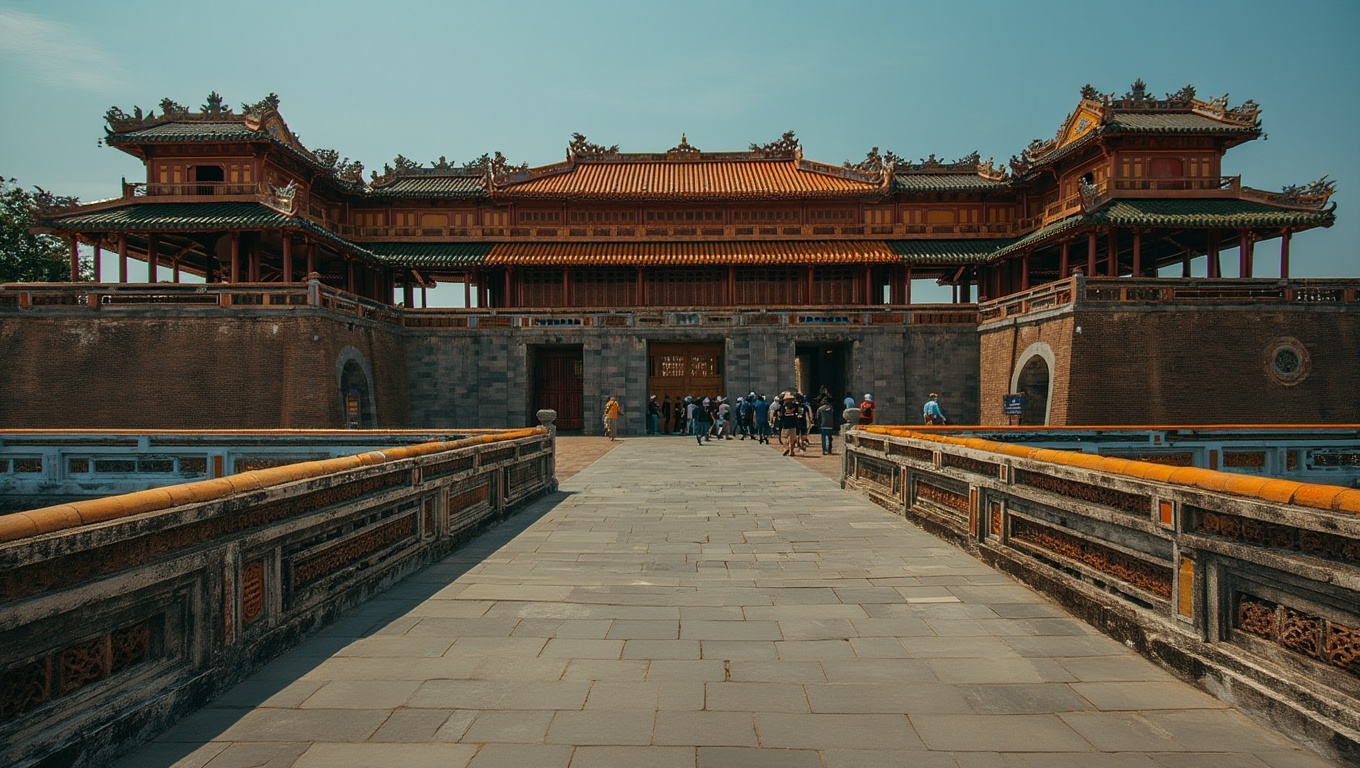
But if you ask me what Hue is really about, I’d say the food. Bún bò Huế (spicy beef noodle soup — say: boon boh hway) is the city’s signature dish and it’s arguably the most complex bowl of noodles in a country full of complex bowls of noodles. Bánh khoái (crispy rice pancake — say: baan kwai), cơm hến (baby clam rice — say: gum hen), nem lụi (lemongrass pork skewers) — the cuisine of Hue reflects the royal court that developed it: refined, layered, not especially forgiving of mediocre execution.
Hue is also half the price of Hoi An and a quarter of the tourists. The guesthouses along Phạm Ngũ Lão Street run 300,000–600,000 VND (~$11–$23) for a clean private room. A full bowl of bún bò Huế costs 50,000–70,000 VND (~$1.90–$2.65). The Citadel entry is 200,000 VND (~$7.60).
⚠Real Talk
Hue’s weather is unpredictable. The city sits in a rain shadow position that makes it significantly cloudier and wetter than Da Nang or Hoi An, even in the dry season. October and November are the worst months — the Hương River floods, the streets flood, and outdoor sights become difficult. November–March and June–August are the best windows. Always check before you go. Our Hue best time guide breaks down the weather month by month.
For the full city breakdown: Hue Vietnam travel guide. For what’s actually worth your time among the tombs and temples: things to do in Hue. For where to eat: Hue food guide — the bún bò Huế address alone is worth the click.
Da Nang: The Transit Hub That’s More Than a Transit Hub
Da Nang is Central Vietnam’s largest city and its main transport hub — international flights, the fastest train connections, and a central location between Hue and Hoi An. Most travelers treat it as a layover. The ones who stay a night or two find a city that punches above its reputation.
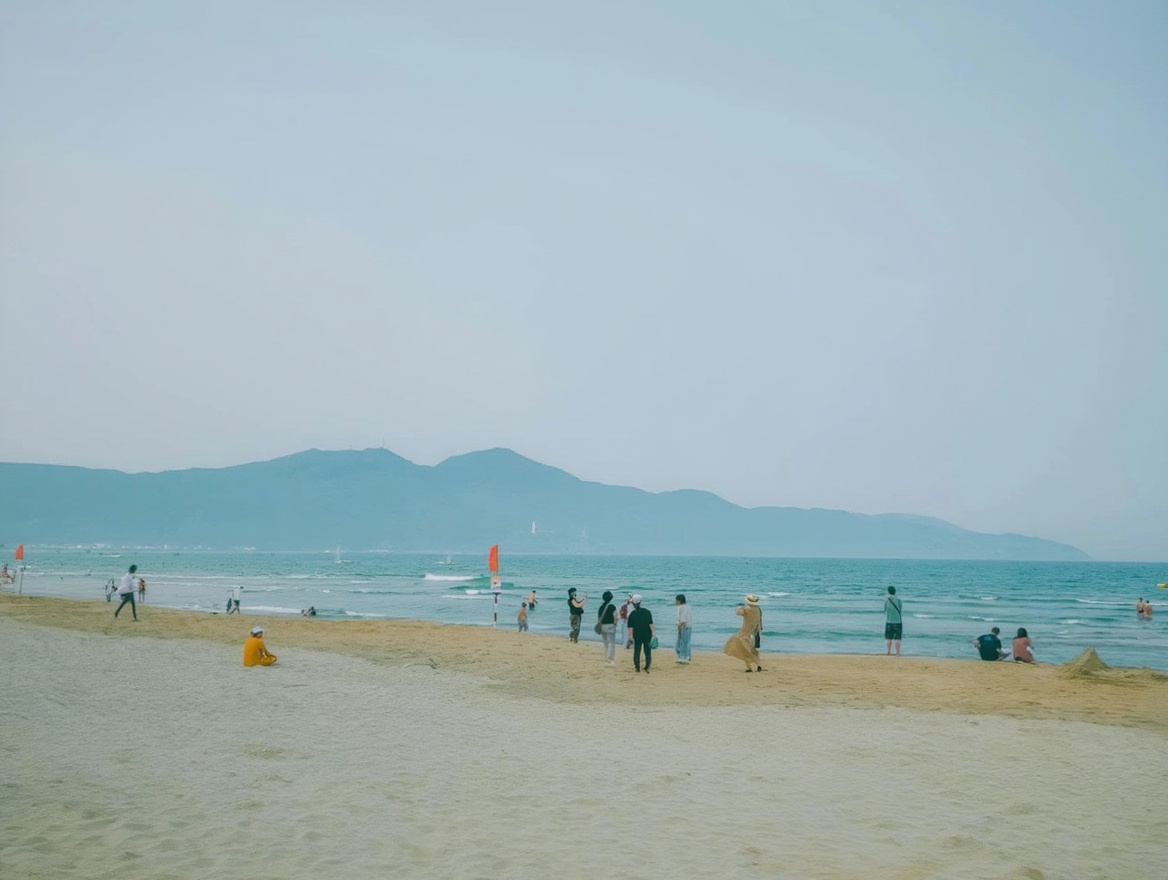
My Khe Beach is one of the best urban beaches in Vietnam: clean, wide, and flanked by seafood restaurants where a whole grilled fish costs 150,000–250,000 VND (~$5.70–$9.50). The Marble Mountains — five limestone peaks 10 kilometers south of the city center — take two hours and contain cave pagodas, war tunnels, and views over the coastline. Ba Na Hills is the golden bridge Instagram photo; it’s worth knowing what you’re getting into before you pay 850,000 VND (~$32) for the cable car. See our Ba Na Hills guide for the honest version.
Da Nang sits 30 kilometers from Hoi An — 45 minutes by Grab, 70,000–120,000 VND (~$2.65–$4.55). Most travelers base themselves in Hoi An and day-trip to Da Nang; others do the reverse and use Da Nang’s cheaper hotels as a base. Both work. The Da Nang to Hoi An transport guide has every option and honest timings.
For the city itself: things to do in Da Nang and our Da Nang beaches guide for which stretch is actually worth your time versus which ones look good in photos and aren’t.
Hoi An: Real Town, Real Crowds, Still Worth It
Hoi An’s Ancient Town is one of the best-preserved trading ports in Southeast Asia — 400-year-old merchant houses, Japanese Covered Bridge, the yellow-walled lanes that every Instagram Vietnam account has photographed. It’s also the most tourist-saturated destination in Central Vietnam. Both things are true simultaneously.
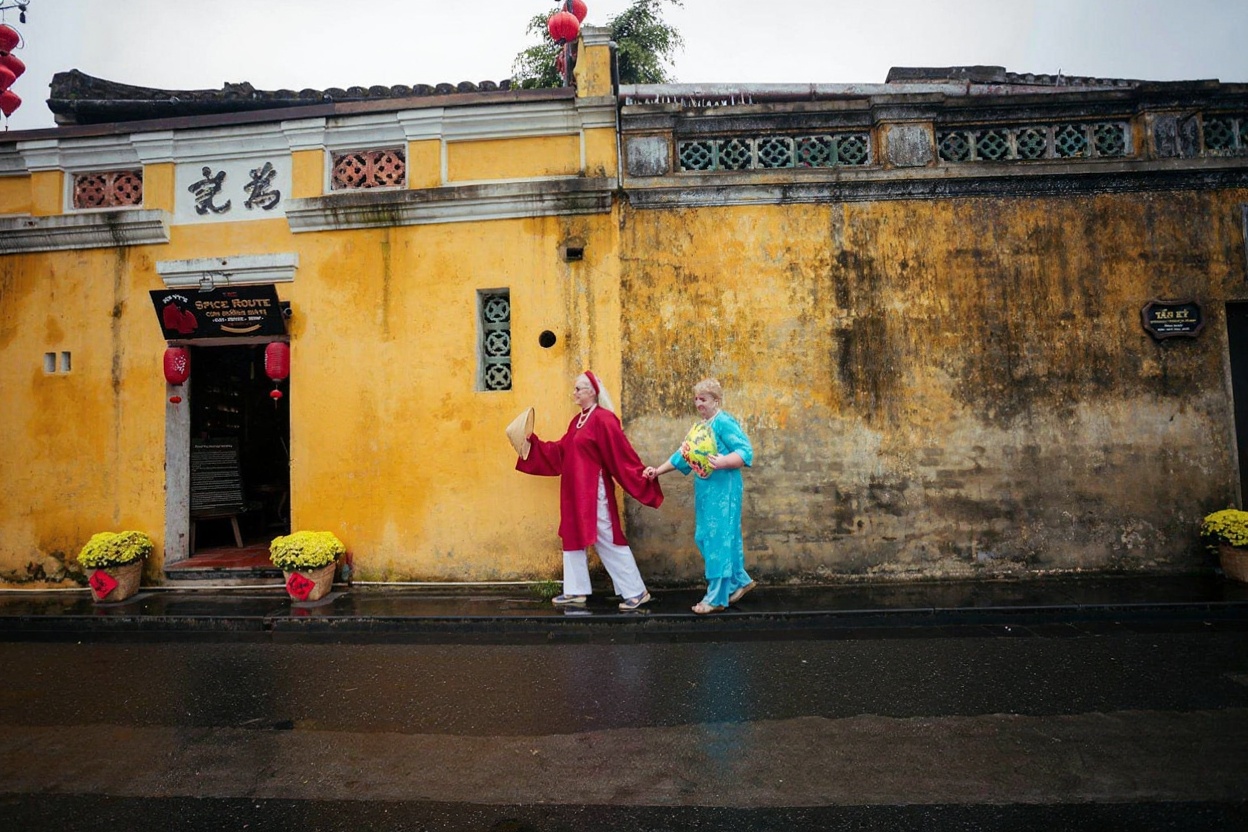
The way to do Hoi An correctly: arrive in the evening for the lantern-lit streets (genuinely beautiful, worth experiencing once), wake up before 7am and walk the Ancient Town before the group tours arrive, eat at the places that don’t have English menus out front. Bánh mì Phượng at 2B Phan Châu Trinh is world-famous and still one of the best bánh mì you’ll eat in Vietnam — 35,000–50,000 VND (~$1.35–$1.90), get there by 8am before the queue.
Hoi An is expensive by Vietnamese standards. A mid-range guesthouse near the Ancient Town runs 700,000–1,500,000 VND (~$26–$57) per night. The crowds peak November–February (high season) and July–August. But An Bàng Beach, 4 kilometers east of the Ancient Town, is where the expat cafes are and where the price-to-quality ratio starts making sense again.
For the full picture: things to do in Hoi An, the Ancient Town walking guide, Hoi An food guide, and where to stay in Hoi An — the last one matters more here than almost anywhere else in Vietnam.
How to Route Central Vietnam
The standard route runs north to south: fly into Da Nang or Phú Bài (Hue) from Hanoi, work south through Hue → Da Nang → Hoi An, fly or bus onward to Saigon. Or reverse it. The Reunification Express train connects everything: Hanoi to Hue (12–14 hours overnight), Hue to Da Nang (2.5 hours, worth doing for the Hải Vân Pass coastal section), Da Nang to the south.
Where Phong Nha fits: it’s a detour from the main north-south coastal route. Most people do it as an add-on from Hue (3.5 hours each way by bus) or break their Hanoi–Da Nang train journey at Đồng Hới. The detour adds 2–3 days and is worth it for the right traveler.
Suggested time allocations:
7 days: 2 nights Hue + 1 night Da Nang + 3 nights Hoi An. Skip Phong Nha, do it properly another trip.
10 days: 2 nights Phong Nha + 2 nights Hue + 1 night Da Nang + 3 nights Hoi An. Still rushed but you get the full picture.
14 days: 3 nights Phong Nha + 3 nights Hue + 2 nights Da Nang + 4 nights Hoi An. This is the version where you actually enjoy it.
↗Insider Tip
The Hải Vân Pass is one of the best motorbike rides in Vietnam — but hiring a driver for the pass section and doing Hue to Da Nang in a day (via marble mountains, the pass itself, and Lang Co Beach stop) is a better option than renting your own bike if you haven’t ridden in Vietnam before. The road is not difficult. The other drivers are.
What I Got Wrong the First Time
I planned the first Central Vietnam trip like a highlight reel — one iconic thing per city, tick the box, move on. Two nights in Hue: Citadel done. Two nights in Hoi An: Ancient Town done. Da Nang: one afternoon on the beach. Done.
What I missed: Hue’s royal tomb circuit by rented motorbike (a full day you don’t plan but end up doing because you turn down one wrong road and find Tomb of Khải Định completely empty at 8am). The fact that the best meal I ever had in Hoi An was at a place with no name on the door on a lane off Trần Phú that my guesthouse owner wrote on a napkin. And Phong Nha entirely — I skipped it the first two trips because I thought it was just a cave.
It’s not just a cave. It’s 700 square kilometers of mostly unexplored karst forest, and the accessible portion is already one of the most otherworldly places I’ve been in five years in this country.
The other mistake: I booked a guesthouse in central Hoi An during November. Two days in, the Hoài River rose, the lantern-lit streets turned into knee-deep canals, and I spent an afternoon moving my bag to a second-floor room. Nobody mentioned flooding when I booked. I mention it now every time someone asks me about Hoi An timing — the Hoi An best time guide explains it in detail, but the short version is: avoid October and November unless you actively want to experience the floods, which some people do. They’re dramatic in their own way.
The third thing I got wrong: underestimating Hue. The Imperial Citadel looked smaller in photos than it is in person — it takes half a day to walk properly, and that’s before you’ve touched the royal tombs outside the city. I gave myself one afternoon and left feeling like I’d seen a highlight reel. The people I’ve met who love Hue the most all stayed at least three nights and spent a full day on a rented motorbike following the Perfume River (Sông Hương — say: song hwong) south toward the tombs. That’s the version of Hue that earns the city’s reputation.
Best Time for Central Vietnam
Central Vietnam’s weather is complicated by the geography. The Trường Sơn mountain range creates a rain shadow effect — the coast gets the eastern monsoon October–December (heavy rains, Hoi An floods regularly in November), while the mountains stay drier. Hue is consistently the wettest city in Vietnam during October–December.
The broad windows:
February–April: Best overall. Dry, warm but not hot, lower crowds outside Tết (late Jan/early Feb). Best for Hoi An and Hue specifically.
June–August: Hot and dry. Good for beaches. Domestic tourist peak — Hoi An gets crowded. Still manageable.
September: Transitional. Phong Nha is good (pre-rain). Da Nang beach season ends. Hue starts getting wet.
October–January: Avoid if possible for Hue and Hoi An (flooding risk). Phong Nha is drier and has fewer tourists.
For Hoi An specifically, the Hoi An best time guide is the most detailed breakdown on the site — including which streets flood first and which months the rice paddies around the village bicycle routes look their best.
Two things worth sorting before you land: a Vietnam eSIM so you have data the moment you clear customs, and travel insurance — medical costs for uninsured foreigners in Vietnam are significant.
Airalo eSIMs activate instantly. Buy before departure — airport SIM queues in Vietnam can take 30+ minutes.
Frequently Asked Questions
How many days do you need for Central Vietnam?
✓Quick Answer
Seven days covers the main highlights at pace: 2 nights Hue, 1 night Da Nang, 3 nights Hoi An. Ten days adds Phong Nha and breathing room. Fourteen days lets you actually slow down. Most travelers wish they’d spent more time in Hue and less rushing through Da Nang.
Is Central Vietnam worth it compared to the North or South?
Different, not better or worse. The North (Hanoi, Ha Giang, Sapa) has the dramatic mountain landscapes and the capital city energy. The South (Saigon, Mekong Delta, Phu Quoc) has the urban buzz and the flat delta. Central Vietnam has the history, the food culture, the best cave systems in the world, and a coastline that most beach destinations would kill for. For first-time visitors doing the full country, it’s non-optional. For return visits, it’s where most people choose to come back.
Should I base myself in Da Nang or Hoi An?
Hoi An for atmosphere and food — you’re 30 minutes from Da Nang by Grab and the Ancient Town experience is better when you’re staying inside it. Da Nang for lower prices, easier transport connections, and beach access — the hotels are significantly cheaper and the city has a more local feel than tourist-heavy Hoi An. For trips of 3+ nights in the area, Hoi An is usually the better base. For 1–2 nights as a transit stop, Da Nang makes more sense. See our Da Nang to Hoi An guide for getting between them.
Is Phong Nha worth the detour?
Yes, if you have 2+ days and you’re not someone who needs constant activity options. The caves (Paradise Cave in particular) are genuinely world-class. The town is small and quiet — no nightlife, no beach, no shopping. What it has is a slower pace and landscapes that don’t exist anywhere else in Vietnam. Our Phong Nha caves guide breaks down every cave option, what each costs, and which ones are worth the entrance fee versus which are worth skipping.
What is the best food city in Central Vietnam?
Hue, by a significant margin. The Nguyễn imperial court developed a cuisine specifically designed to impress — complex, sour, layered, and unlike anything in the north or south. Bún bò Huế is the signature dish, but the full spread — bánh khoái, cơm hến, bánh nậm, bánh lá — is the most distinctive regional food culture in Vietnam. Hoi An has good food (cao lầu, white rose dumplings, bánh mì), but it’s more tourist-polished. Hue’s food scene still feels like it belongs to the city. Our Hue food guide has specific addresses and what to order.
Can I do Central Vietnam by motorbike?
Yes — the Hải Vân Pass section between Hue and Da Nang is one of the iconic motorbike routes in Southeast Asia. The coastal road south from Da Nang toward Hoi An is easy riding. The route north from Hue to Phong Nha (via Đường Trường Sơn, the old Hồ Chí Minh Trail) is doable with a decent off-road bike and 2 days. Experience level needed: you should be comfortable on a semi-automatic in city traffic before attempting mountain passes. If you’re new to Vietnamese roads, take the Hải Vân Pass by taxi or bus first — then decide if you want to ride it on the way back.
How do I get between cities in Central Vietnam?
Train is the backbone. The Reunification Express (tàu thống nhất — say: tow tong nhat) runs the full length of the coast, and the Hue–Da Nang segment is one of the most scenic train rides in Southeast Asia — the track hugs the mountain above the South China Sea for a full hour. Book via the Vietnam Railways app or 12go.asia. Buses (open-tour sleeper buses) connect the same cities for less money but take longer. Grab works for shorter hops like Da Nang to Hoi An. Renting a motorbike gives you total freedom but requires experience and insurance. For the full country picture before you commit to a route, our Vietnam travel guide covers how Central fits into a longer trip.